



DART airport station set to open 4 months early
The five-mile Orange Line extension from Belt Line Station to the newly rebuilt Terminal A at DFW will bring the longest light rail system in the U.S. to 90 miles.

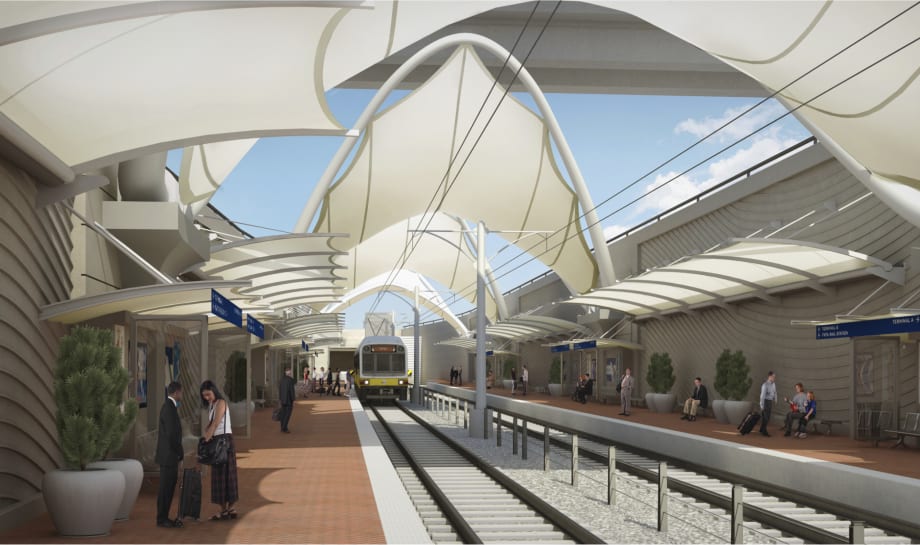
On Aug. 18, Dallas Area Rapid Transit Authority (DART) will join the ranks of transit systems with rail connections to major airports as it opens its Dallas/Fort Worth International Airport (DFW) station four months ahead of schedule and under budget.
The five-mile Orange Line extension from Belt Line Station to the newly rebuilt Terminal A at DFW will bring the longest light rail system in the U.S. to 90 miles.
RELATED:Report: Rail to airport connections a growing trend
When the DFW Airport Station opens, riders will only need to walk about 300 feet from the station to the terminal, making it convenient for people traveling to and from the Dallas/Fort Worth area as well as for people who work at or near the airport, DART President/Executive Director Gary Thomas said.
“Opening a project of this complexity early and under budget is a great testament to the work of our DART team and our colleagues at DFW Airport,” Thomas said. “Support from the Federal Transit Administration and Federal Aviation Administration (FAA) was also crucial to beating the targeted opening.”

When the DFW Airport Station opens, riders will only need to walk about 300 feet from the station to Terminal A, making it convenient for people traveling to and from the Dallas/Fort Worth area and those who work at or near the airport.
DART received a $5 million Transportation Investment Generating Economic Recovery grant as well as a $119 million Transportation Infrastructure Finance and Innovation Act loan for the rail extension to the station. The first section of the Orange Line received $61 million in American Recovery and Reinvestment Act funds.
DART initially planned to be finished with the station in December. However, as its project partner, DFW International Airport was building the station, and as the transit system handled the track work and catenary systems, they realized they were ahead of schedule. Together, they were able to pin down the opening date, allowing enough time to get all the required testing and integration completed in a timely manner and still have enough time for the training of DART’s operators.
Choosing an August opening date was particularly beneficial because that will make the station accessible before the State Fair of Texas, which starts in late September, and brings significantly high ridership, Thomas said. For example, over the last couple of years, the number of additional trips related to the fair was approximately 700,000 over a three-week period.
The project has also created about 60,000 jobs in and around DFW airport, from employees on airport property and businesses adjacent to it associated with hospitality, storage and logistics. The project created between 500 and 1,000 jobs not counting ancillary jobs, such as parts manufacturing, he added.
“All of those are solid employee bases, so I anticipate that this will be a well-used part of our system,” Thomas said. “I think that will only grow as time goes on.”
DART is currently projecting 1,200 trips per day going to the airport station, but Thomas said he can see that growing once more people become aware of the new station.
One challenge in completing the project was working with all the government entities that have control over the airport property.
“When you connect to the airport, you not only [work with] the FTA or Federal Railroad Administration, depending on your mode, you also have the FAA, and the U.S. Department of Homeland Security and the Transportation Security Administration,” Thomas explained.
However, he said the project has been a good team effort.
“It’s been fun to work on, and our partners at DFW have been great,” Thomas said.
More Rail
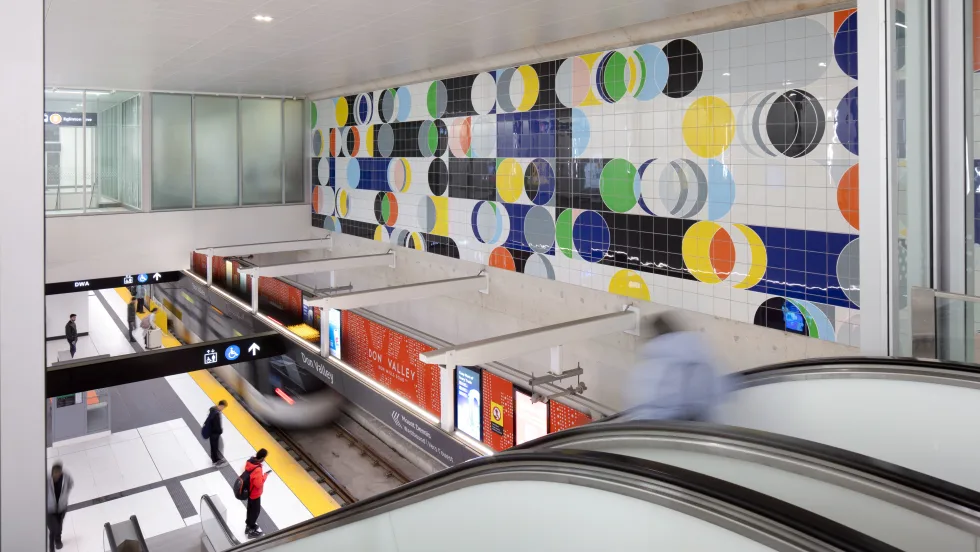
How Gen Z's Changing Mobility Habits Are Reshaping Public Transit
As younger generations embrace multimodal mobility over private vehicles, transit agencies can rethink station design, the passenger experience, and public transportation's role in building connected communities.
Read More →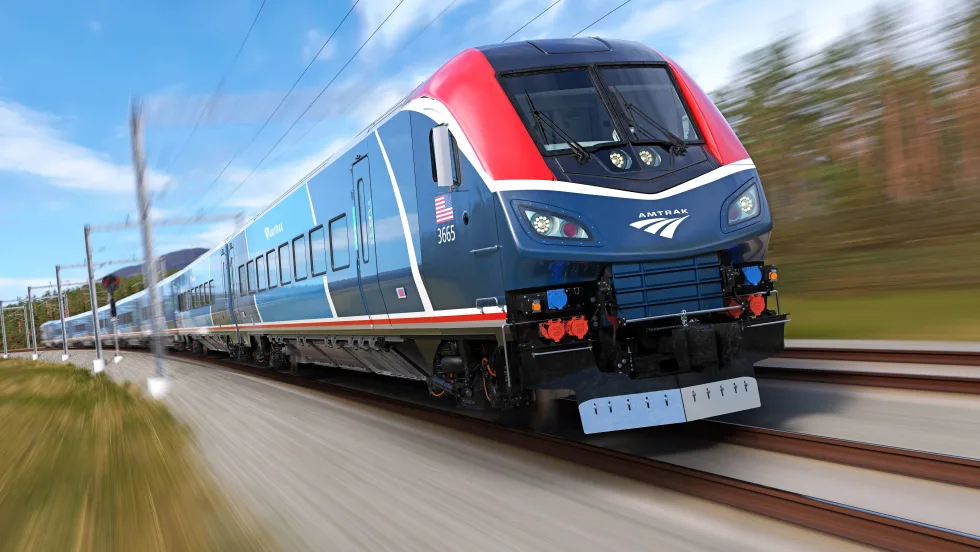
Amtrak Expands Airo Fleet with Eight Higher-Capacity Trainsets
The new 10-car trains, expected to enter service in 2031, will provide about 34% more seating capacity to meet growing demand on the Northeast Corridor.
Read More →
APTA Urges FTA to Withdraw Proposed Capital Investment Grants Guidance
The association warns that proposed changes could delay transit projects, reduce federal funding, and create new hurdles for 47 projects currently in the CIG pipeline.
Read More →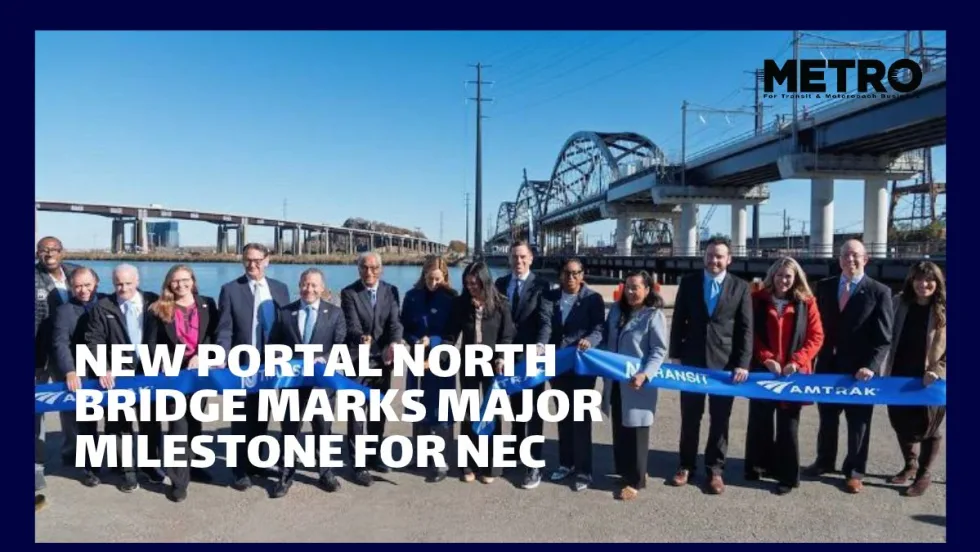
Amtrak, NJ TRANSIT Launch Full Service on New Portal North Bridge
The completion of the two-track bridge over the Hackensack River eliminates a longstanding source of delays for NJ TRANSIT and Amtrak customers. It marks a major milestone for the Gateway Program.
Read More →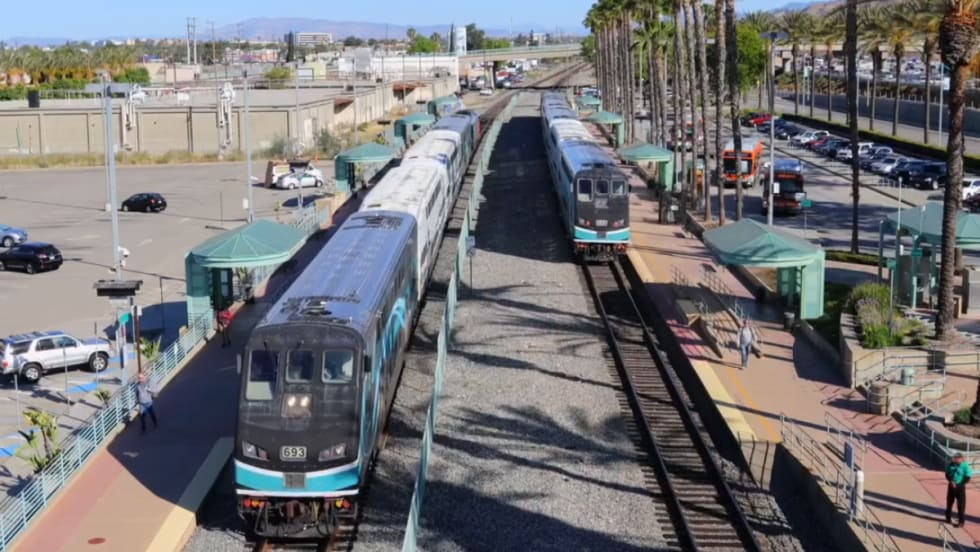
Southern California’s Metrolink Approves $508.8M Budget, Avoids Service Cuts
A $20 million state allocation allows the regional rail agency to maintain existing weekday and weekend service through fiscal year 2028, although longer-term funding challenges remain.
Read More →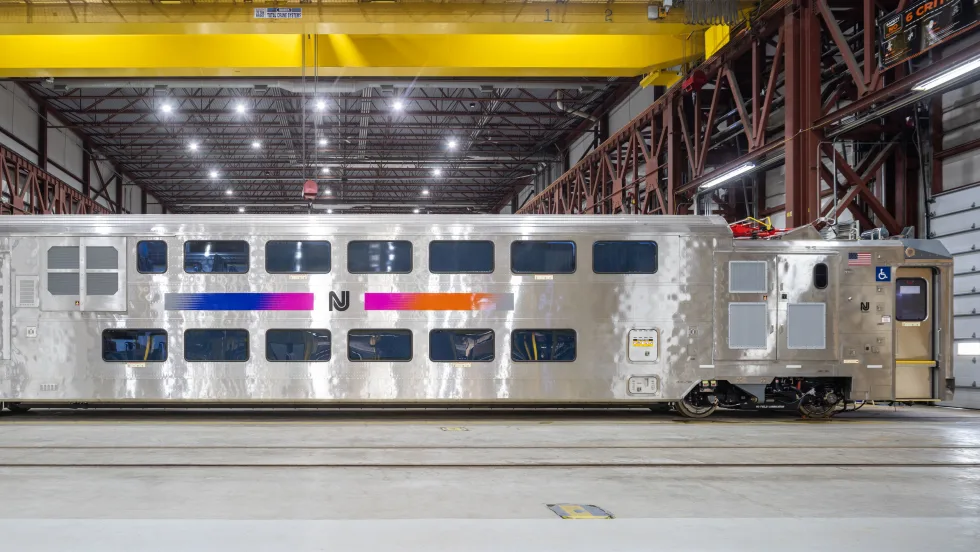
NJ TRANSIT Approves $65.6M for Hudson-Bergen Light Rail Improvements
The funding marks the first phase of a planned $250 million investment over five years to modernize stations, overhaul vehicles, and improve system reliability and passenger safety.
Read More →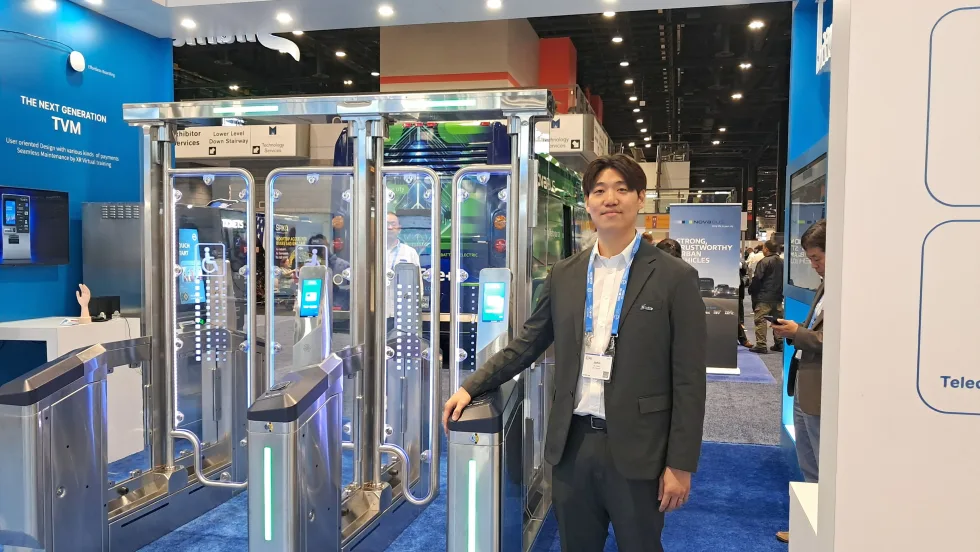
STraffic Expands North American Presence with Fare Collection Technology
John Moon, Associate Director, Product Strategy at STraffic, discusses the company's growth in North America, its efforts to reduce fare evasion, and more.
Read More →
Study: Denver RTD Generates $2.1 Billion in Annual Economic Activity
An economic impact study finds the agency supports approximately 17,500 jobs, delivers $1.6 billion in annual community and mobility benefits, and generates $2.42 in economic value for every dollar invested.
Read More →
Mark Aesch Nominated to Lead Federal Transit Administration
The former Rochester transit chief and TransPro founder, who has also contributed to METRO Magazine, brings decades of industry experience and a focus on performance, accountability, and financial sustainability to the nomination.
Read More →
Transit Expands Agency Partnerships, Reaching 200 Official App Partners
COO Jake Sion discusses Transit’s growth, the success of its Transit Royale program, and how technology is helping agencies improve the rider experience.
Read More →