



Funding issues must be resolved
If both Congressional parties and the president want to see the U.S. take steps toward a more competitive economy in the global marketplace, it must help create this new economy
Even though record amounts of money have been flowing into federal public transportation programs and local ballot initiatives continue to be approved by voters at rates that would put most sports teams into playoff contention, agencies across the country are laying off drivers, mechanics and other staff. What's wrong with this picture?
The main reason is operations funding. Most agencies can only use up to 10 percent of federal funds for operations assistance, and that's only because Congress amended federal policy to allow it. The rest must come mostly from state and local governments, and almost all of them are in crisis, because most cannot run a deficit like the federal government. Only about one-third of all transit operations nationally are paid for with passenger fares - which means that for every dollar of service put out on the street, 66 cents or more must be subsidized. And, that doesn't even count the capital subsidies used to buy the vehicles and build facilities in the first place.
In addition to service cuts, the crisis also undermines safety. Several reports on the accident on Washington, D.C.'s Metrorail indicate a likely factor was the old or poorly maintained equipment because of operating funding issues. The FTA also expressed concern about the industry's "state of good repair."
Supply side affected, too
Suppliers and other private sector companies that support our industry are slowly being bled to death as well. They are damaged in two ways. First, a lot of them supply parts, materials and services that are directly paid for with operating money, such as most maintenance activities. For many of the rolling stock companies, that hurts because it is often the most profitable area of their businesses, since many of their fixed costs are already paid for in the original bus or car orders.
The longest-lasting way they are hurt, though, is in damage to the larger supply market. Simply put, why would agencies buy new vehicles or build new facilities if they are laying off personnel that would operate them? This explains why many companies are seeing the big influx of stimulus money only allowing them to hang on to existing people or, in some cases, not laying off as many as they would otherwise. The point is, though, fewer new jobs are being created because of the crisis in operations funds.
Congress is beginning to get it. Several business members of the American Public Transportation Association have testified in recent hearings, and the committee leaders and staff are listening. Now they must act, whether it is in the form of a temporary increase in federal operating assistance, in the form of no-interest loans repaid with operating money later or some other way Congress sees fit. However, it has to be done and in a way that is paid for outside the normal program rules, so that the arcane congressional budget scoring rules do not hurt the capital program long term.
If both political parties and the president want to see the U.S. take steps to a more competitive economy in the global marketplace, it must help create this new economy. There is no better example of this future than the public transportation industry, which has already proven it can create good jobs not only in local government but also in the private sector. But, it must temporarily suspend silly budget rules that are threatening to kill our industry's growth.
More Bus
Brian Dickson on Building Stronger, More Resilient Transportation Organizations
Bus Business Consultants Founder Brian Dickson discusses the leadership principles, operational discipline, and strategic planning that separate transportation companies positioned for long-term success from those stuck in survival mode.
Read More →
LA Metro Breaks Ground on Vermont BRT Project
The 12.4-mile corridor is projected to serve 66,200 daily riders, reduce travel times by up to 24%, and create the nation's busiest bus rapid transit corridor.
Read More →
Roman Cornell on ABC Companies’ Evolution and the Future of Passenger Transportation
The company’s CEO discusses carrying forward a third-generation family legacy, ABC’s continued evolution in passenger transportation, support for increasingly complex fleets, and how technology and continued investment could help operators improve uptime.
Read More →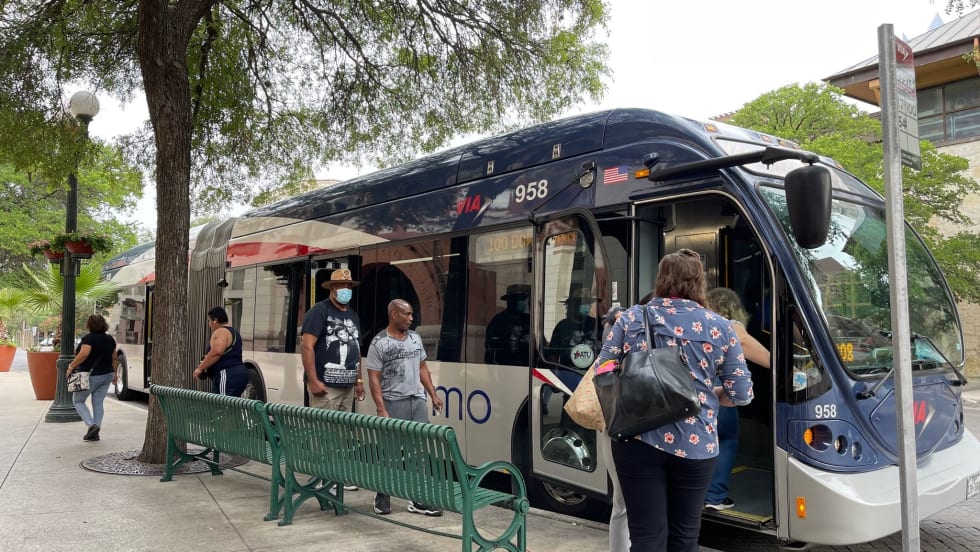
VIA Bus Ridership Grows 10.1% Through August 2026
San Antonio's VIA Metropolitan Transit reported the highest bus ridership growth among major Texas transit systems. Federal Transit Administration data ranked it second among the nation's 50 largest transit systems.
Read More →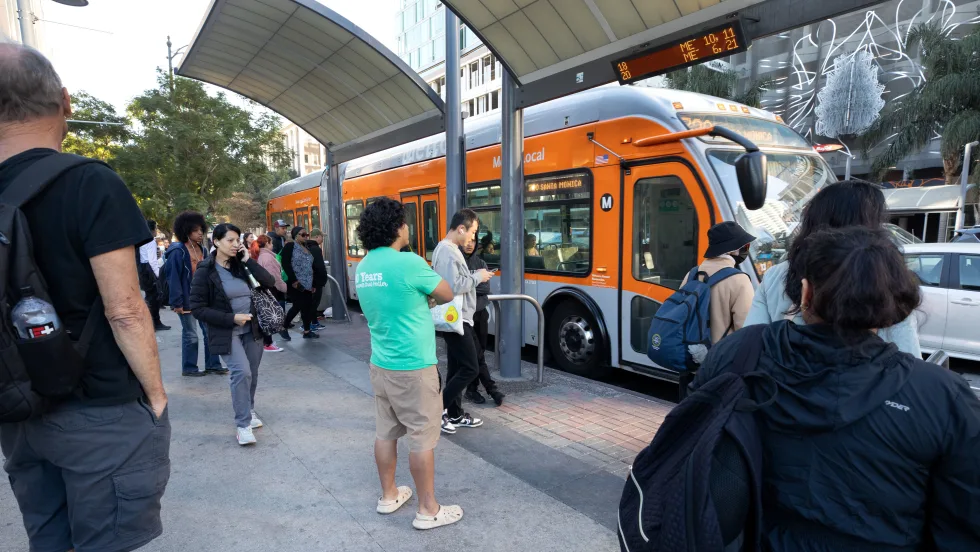
LA Metro September Ridership Climbs 3.9%, Led by Rail Growth
The agency recorded more than 27.2 million boardings, with rail ridership increasing 12.4% year over year and the D Line posting the largest gains.
Read More →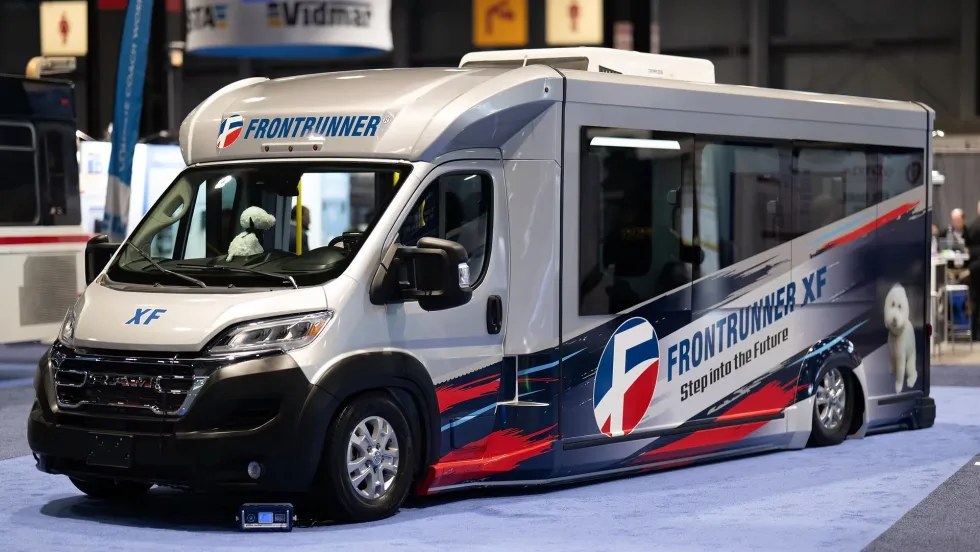
Frontrunner Bus Group Introduces XF Low-Floor Bus with Enhanced Accessibility
The new mid-sized bus features a full flat-floor design, eight-inch curbside step-in height, and zero-entry rear ramp to improve passenger access and operational flexibility.
Read More →
Scenes from APTA TRANSform & EXPO 2026
Transit leaders, manufacturers, and industry professionals gathered in Chicago to explore new technologies, share ideas, and discuss the future of public transportation.
Read More →
More Than a Summer Job: Building the Next Generation of Transit Talent
The Delaware River Port Authority and PATCO have transformed their internship program into a hands-on professional development experience that introduces students to the breadth of transportation careers — and creates a pipeline for future employees.
Read More →
LA Metro Board Awards 220 Battery-Electric Bus Contract to ENC
The contract, which is the largest base award of battery-electric buses by a U.S. transit agency, will be built in Southern California, sustaining good jobs as LA prepares to welcome the world in 2028
Read More →
Public Transit Conference Returning to GFX in 2027, Call for Papers Now Open
The Call for Papers is now open, allowing transit agency professionals and industry experts to help shape the PTC educational program by submitting session ideas for consideration.
Read More →