




Predictive Maintenance in Railways: Exploring Best Practices with IoT
How to Create a Maintenance Training Program for Transit Fleets
Ten tips for planning an effective transit fleet maintenance training program.
January 1, 2001
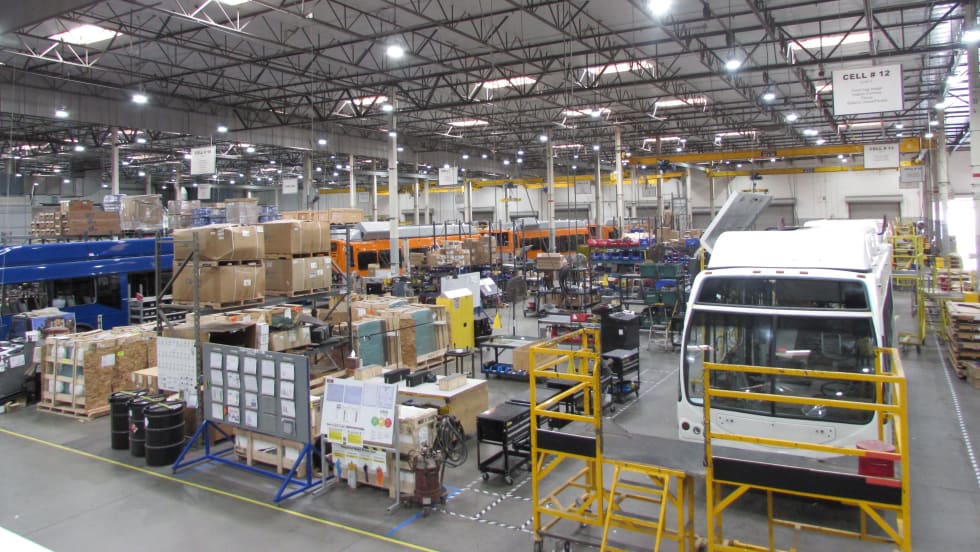
Maintenance training programs can be healthy contributors to keeping staff at peak performance levels and equipped to deal with whatever new technologies or challenges present themselves in the shop.
Photo: Metro
2 min to read
Building a successful maintenance department depends a great deal on quality personnel.
Maintenance training programs can be healthy contributors to keeping staff at peak performance levels and equipped to deal with whatever new technologies or challenges present themselves in the shop.
The Orange County Transit Authority (OCTA) devised a 10-point program development plan that Richard Wong, manager of maintenance, credits as the backbone of its training efforts.
Establish support from management. The general manager or CEO of your system should be a champion of maintenance training.
Develop a needs assessment. To create an appropriate training program you need a realistic picture of where your operation is now, and where you would like it to be in the future.
Compile a budget. Without a set, approved list of expenditures you will have to expend time and energy begging for and borrowing every dollar. According to Wong, the average cost of training per employee in the United States is $724 per year.
Compose a five-year plan. It’s not possible to reach all of your goals in one year. Take a long-range vision.
Recruit qualified instructors. This can be the most difficult element in creating a maintenance training program. Instructors should come from within the ranks and be masters of their material if they are to earn the respect of trainees.
Purchase or create high-quality intellectual property. OCTA divided its training into modules and developed instructional volumes to go along with each module. That provided standardization and continuity of training.
Invest in facilities and equipment. Proper training requires appropriate settings and tools. OCTA also invested in a mobile training lab to save travel time.
Network with external resources. OCTA has relationships with four community colleges that provide training in alternative fuels and advanced technologies. The colleges and the transit system split federal and state training dollars, earning OCTA $86,000 so far.
Collaborate with others. OCTA conducts training sessions with other properties and school districts in Southern California. This adds new perspectives to the classes and increases competitiveness.
Measure your success. Earning external validation, in the form of awards and other objective recognition, can increase the internal support you receive for your program.
Subscribe to Our Newsletter
More Management
LA Metro Board Awards 220 Battery-Electric Bus Contract to ENC
The contract, which is the largest base award of battery-electric buses by a U.S. transit agency, will be built in Southern California, sustaining good jobs as LA prepares to welcome the world in 2028
Read More →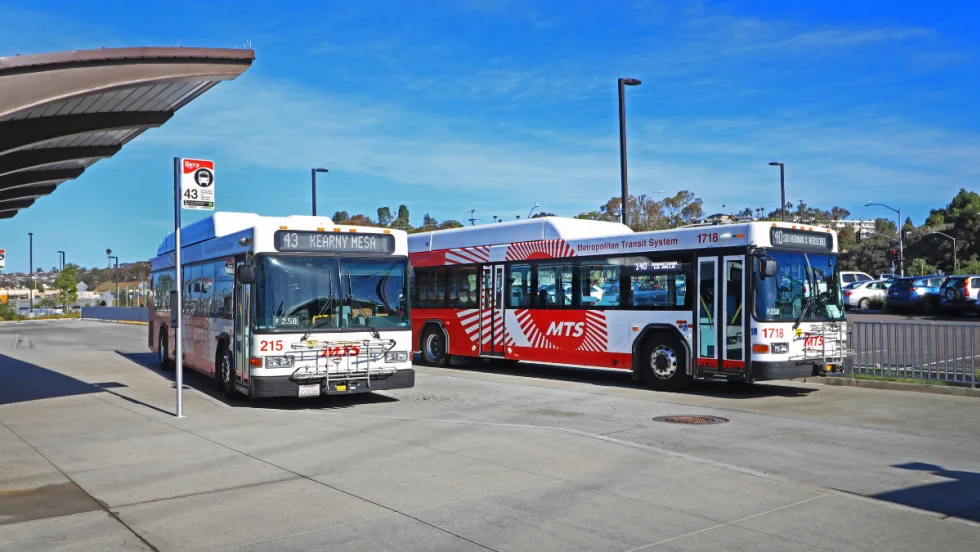
What’s Behind San Diego MTS’s Award-Winning Transit Strategy
Named one of APTA’s 2026 Outstanding Public Transportation Systems with 50 million or more annual passenger trips, California’s San Diego Metropolitan Transit System points to gains in ridership, safety, technology, and reliability as foundations of its success.
Read More →
Public Transit Conference Returning to GFX in 2027, Call for Papers Now Open
The Call for Papers is now open, allowing transit agency professionals and industry experts to help shape the PTC educational program by submitting session ideas for consideration.
Read More →
Indian River Transit’s Community-Focused Approach Earns National Recognition
Named APTA’s 2026 Outstanding Public Transportation System in its size category, Florida’s Indian River County transit system continues to grow ridership through fare-free service and a focus on evolving community needs.
Read More →
ENC Lands MATA Contract and More in Biz Briefs
In this edition of Biz Briefs, we spotlight the latest developments shaping the future of mobility.
Read More →
From Surviving to Thriving: Building Stronger Transportation Organizations
Bus Business Consultants founder Brian Dickson shares lessons on leadership, organizational health, and creating options for long-term success in a changing transportation industry.
Read More →
Everett Transit, Community Transit Outline Consolidation Agreement
The proposed agreement calls for a 50% increase in bus service in Everett, a new microtransit zone, continued paratransit service, and the transfer of Everett Transit operations to Community Transit.
Read More →
Strada360’s Steve Lassey on Turning Transit Data Into Better Decisions
From breaking down data silos to preparing for AI, Strada360 CEO Steve Lassey discusses how transit agencies can use technology to improve operations, customer information, and long-term decision-making.
Read More →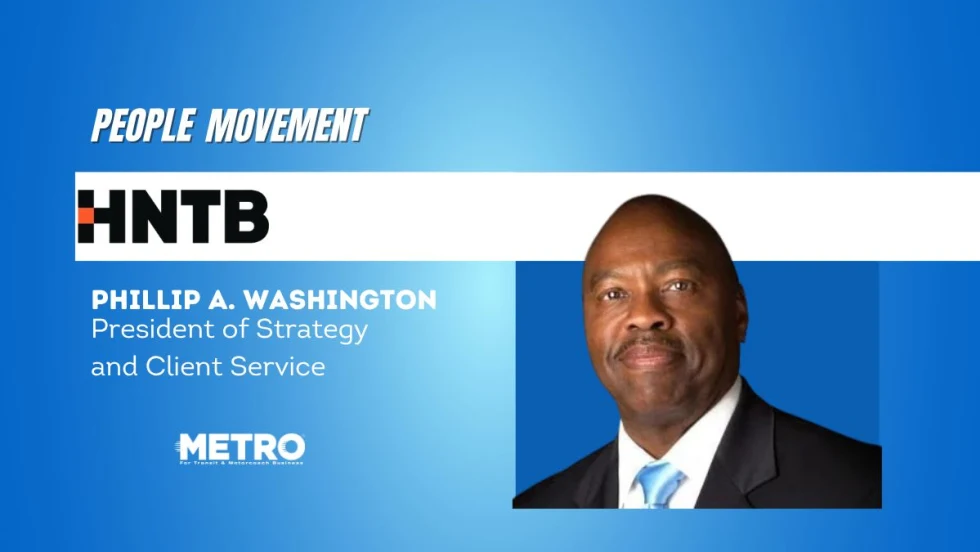
People Movement: Phil Washington Joins HNTB, Denver RTD Launches CEO Search, and More
In this edition, we also spotlight recent personnel moves at STV, the Eno Center for Transportation, and more, highlighting the people taking on new roles across the transportation industry.
Read More →
SEPTA Details Accelerate Vision for Transit System
The plan outlines investments in trolley modernization, new Metro and Regional Rail vehicles, accessible stations, and more frequent bus and rail service.
Read More →