



Want to Learn More?: Transit Agencies Priorities for Cybersecurity
How Vendors Can Help Transit Improve Cybersecurity
The new study focuses on the role of vendors in cybersecurity and their relationships with the transit industry. Through detailed interviews and in-depth research, the team reported on several key findings.
by Scott Belcher and James Grimes
September 30, 2022
Transit Agencies should integrate their cyber risk management program with their physical security risk management, creating a holistic Enterprise Risk Management program.
Credit:
solarseven
4 min to read
In July 2022, the Mineta Transportation Institute (MTI) published a new report on cybersecurity for transit agencies. The report, entitled “Aligning Transit Agencies and Vendors in Face of Increasing Cyber Risk: Recommendation for Identifying and Addressing Cybersecurity Challenges,” examines the roles vendors play in the cybersecurity ecosystem and how transit agencies and their vendors can work together to address the challenges and threats posed by today’s cyber landscape. The report concludes with a series of recommendations for the various parties involved.
The MTI cyber research teams that included Scott Belcher, Brandon Thomas, Katie Seckman, Homayun Yaqub, Terri Belcher, and Eric Greenwald began their research in 2020 with the publication of “Is the Transit Industry Prepared for the Cyber Revolution? Policy Recommendations to Enhance Surface Transit Cyber Preparedness,” which revealed the transit industry was not well prepared to address the variety of cybersecurity threats that are now commonplace. The authors followed that foundational study with MTI White Papers on “Implications of the Sunburst Cybersecurity Attack on the Transit Industry;” “Will the Biden Administration’s ‘Made in America’ Executive Order Present Significant New Cybersecurity Obligations for Transit Operators?” and “Personal Data Protection as a Driver for Improved Cybersecurity Practices in U.S. Public Transit.”
The new study focuses on the role of vendors in cybersecurity and their relationships with the transit industry. Through detailed interviews and in-depth research, the team reported on several key findings.
First, there is a mismatch between the lifespan of physical transit equipment (upwards of 15 years) and the software and firmware that operates it. Transit agencies invest significant amounts of money in buses, trains, and other transit equipment, with the intention of keeping their passengers safe and ensuring reliability. Unfortunately, frequently they do not pay software maintenance agreements for the physical lifespan. The result being many functioning pieces of transit equipment have software that is out of date and are thus vulnerable to cyber threats.
Second, a considerable number of transit agencies have not learned how to effectively include cyber risk management policies and procedures in their procurement practices. Some do not include cyber requirements at all; while others require unnecessary, duplicative, or unachievable provisions that are not based on actual risk. This disconnect can lead to unnecessary costs and result in qualified vendors choosing not to bid.
Finally, the research revealed a lack of differentiation between “security” and “risk.” Security is the state of being free from or resilient to harm. Risk recognizes the constant exposure to threats and the need to manage them across the enterprise. Transit agencies and their vendors are never free from risk. Rather than seeking an unattainable state of total security. Agencies must shift to a position of managed risk. This involves accepting that the chance of exposure to harm is constant and unavoidable. It can be managed and mitigated, but not escaped. To do this, agencies must incorporate managing cyber risk into their recovery and response plans and into their agencies.
Based on these findings, the authors of the report made several recommendations:
Vendors should designate a security lead to help manage cyber risk. They should plan for periodic and independent security audits and penetration testing. Finally, vendors should engage in public-private security information forums to share information about cyber threats.
Transit Agencies should integrate their cyber risk management program with their physical security risk management, creating a holistic Enterprise Risk Management program. They should appoint a Chief Security Officer (CSO) to be responsible for physical and cyber security. An executive-level enterprise risk committee should be created and chaired by the CSO. Agencies should identify, evaluate, and manage end-of-life software and hardware to avoid lifecycle incongruities.
Associations should develop third-party risk management standards and incorporate them into templates for contract language, RFPs, and other artifacts for engaging with vendors. They should develop a comprehensive security questionnaire and assessment guide and minimum guidelines for cybersecurity audits, penetration tests, and other tools. Finally, they should provide guidance on investment in risk management.
The Department of Homeland Security (DHS) and U.S. Department of Transportation (U.S. DOT) should create a Sector Cybersecurity Executive with authority to establish cybersecurity guidance. They should update the 2015 Transportation Systems Sector Cybersecurity Framework Implementation Guidance to cover electric, connected, and autonomous vehicles.
The Federal Transit Administration (FTA) should require that transit procurements fund security maintenance; that transit agencies minimally meet the requirements in Transportation Security Administration (TSA) Security Directive 1582-21-01; and that transit CEOs to attest that their organization has met TSA-approved cybersecurity standards and completed an annual cybersecurity audit.
Congress should increase funding to DHS and U.S. DOT to develop and promulgate cybersecurity standards and increase formula grant funding to transit agencies, ensuring they can meet these cybersecurity standards.
The authors believe that implementation of these recommendations will improve cybersecurity for both transit agencies and their vendors, allowing a more efficient, safe working environment.
The full report is available here.
About the Authors: Scott Belcher and James Grimes are Research Associates, Mineta Transportation Institute, at San Jose State University.
Subscribe to Our Newsletter
More Security and Safety

Transit Agencies Highlight Safety Gains at National Summit
Leaders from 15 major transit systems shared crime-reduction results and safety initiatives while discussing the role of continued federal support.
Read More →
DART Launches Major Security, Fare Enforcement Initiative
The 90-day demonstration will deploy coordinated security teams at five light rail stations while testing controlled access and gathering data to guide future investments.
Read More →
RTD Launches NextRide App to Consolidate Trip Planning, Fares, Security Reporting
The app expands on RTD’s existing NextRide web application and allows customers to view real-time vehicle locations and service alerts, purchase and store digital fares, and access customer support.
Read More →

TAPTCO Updates OSHA Compliance Training for Transit Maintenance Operations
The revamped program addresses 26 OSHA standards for maintenance facilities, with TAPTCO pointing to training, documentation, and everyday shop hazards as continuing challenges for transit operations.
Read More →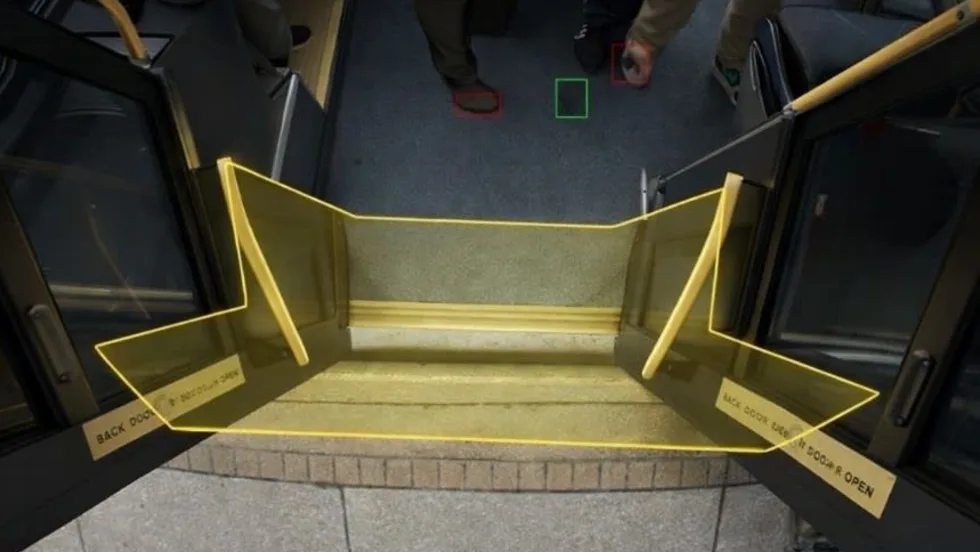
Sponsored•August 18, 2026
How VaporVision Adds Value to Transit Door Systems
Wabtec engineers explain how the system improves doorway detection, strengthens diagnostics and gives transit agencies and OEMs greater operating flexibility.
Read More →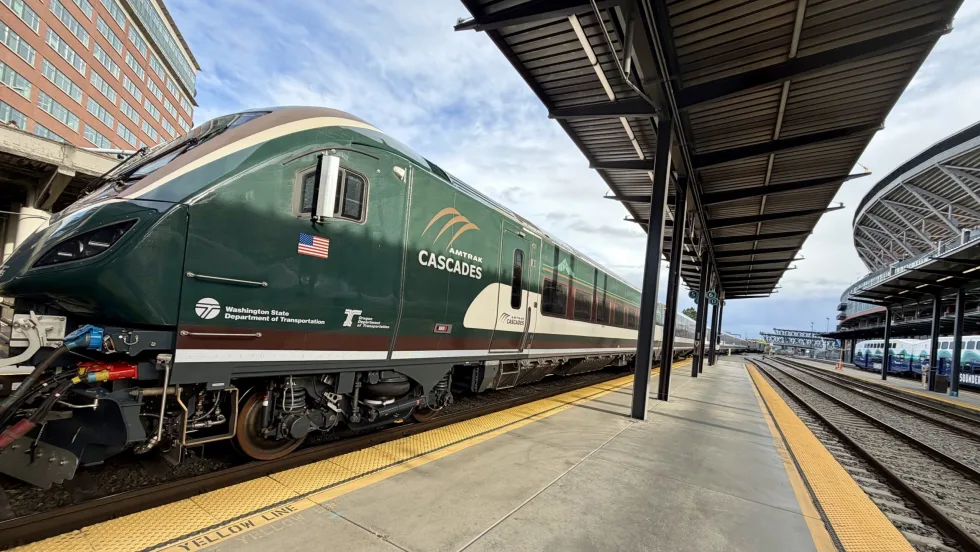
FRA Announces $5.3B in Rail Investments, Including $2B for Amtrak
Funding will support grade-crossing improvements, infrastructure upgrades, and new Amtrak equipment in 23 states.
Read More →
Chicago, Maryland Expand Non-Law-Enforcement Safety, Rider Support
The CTA and MTA are launching new programs aimed at de-escalation, crisis response, rider assistance, and greater transparency.
Read More →
LA Metro, City of West Hollywood, and Partners Advance Smarter Bus Lane Enforcement
The award-winning partnership combines AI-powered detection with human oversight to improve bus reliability, accessibility, and enforcement efficiency.
Read More →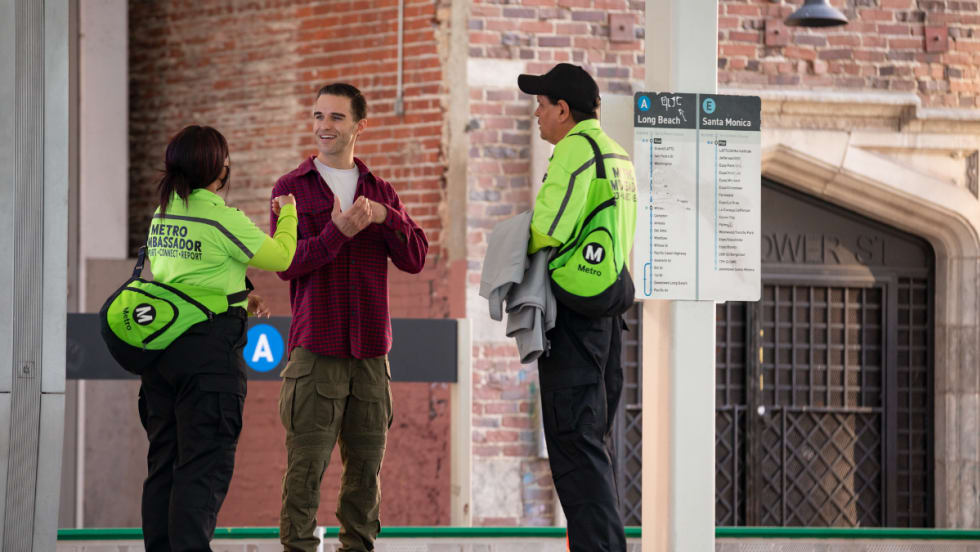
LA Metro Reports 57% Decline in Homelessness on Transit System Since 2024
The agency's latest homelessness count offers new data on how care-based services and cross-sector partnerships can complement traditional transit security strategies.
Read More →
FTA Launches 'Transit Moves America' Dashboard to Highlight Agency Safety and Performance
The online dashboard transforms National Transit Database information into a public-facing resource that allows users to compare transit agencies on key operational and safety metrics.
Read More →