



Miami-Dade approves creation of a regional transit authority
The project would result in an extensive tri-county bus and rail network in southern Florida.

Miami-Dade County commissioners recently decided to support plans for a new regional transit authority (RTA) in partnership with Palm Beach and Broward counties. The project would result in an extensive tri-county bus and rail network in southern Florida. Plans are to expand upon Tri-Rail, the commuter rail system in the region, which currently runs north and south along much of Interstate 95. In the initial stages, Tri-Rail would be extended on both the north and south ends and links would be added. There would be additional buses connecting the counties and feeding the rail line. Tri-Rail currently has some connector buses operated by each county independently but, under the RTA, the counties would coordinate their bus systems. “We’re planning to ask the state legislature next year to create it,” said Commissioner Bruno Barreiro, chair of the county’s transportation, infrastructure and environment committee. “We have a regional transit organization (RTO) right now for planning purposes, and a Tri-Rail board that runs the train. The RTA would essentially be a combination of both Tri-Rail and the RTO.” The proposed RTA would raise $8.3 million a year through a $2-per-car surcharge on tag-renewal fees. RTA supporters said the unified regional front would help bring more federal transit money to Florida. Miami-Dade had initial reservations about the project and was the last to come on board. “There have been a lot of issues with the three counties, and not just in public transportation but in other areas, that we wanted to work out. We’re optimistic that this will be a good plan with positive results,” said Barreiro. Because Miami-Dade has the largest public transportation system in Florida, the county’s officials wanted to ensure that a joint system would still meet their requirements. The county is also the southernmost of the three, and establishing effective east-west service in its area is a major concern. “We will be taking baby steps to transition into a joint system,” said Barreiro. “We need to learn how to work cooperatively to make sure each community’s needs are met and that there is confidence in the way things are being planned and executed.”
More Management
People Movement: ABC Names John Walsh as Chief Commercial Officer
In this edition, METRO also covers recent appointments and announcements at the DART, STV, and more, showcasing the individuals helping to shape the future of transportation.
Read More →
From Surviving to Thriving: Building Stronger Transportation Organizations
Bus Business Consultants founder Brian Dickson shares lessons on leadership, organizational health, and creating options for long-term success in a changing transportation industry.
Read More →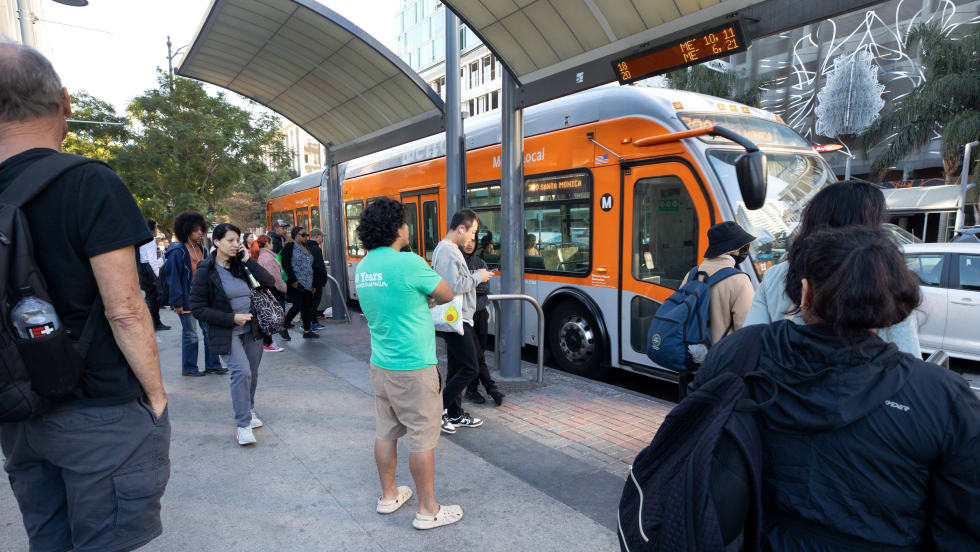
LA Metro Ridership Continues Growth as Rail Gains Accelerate
New rail connections and major events help drive continued ridership gains, with Metro recording its eighth consecutive month of year-over-year rail growth.
Read More →
TransDASH Summit Focuses on Measuring What Matters in Transit
Transit agencies unveil a national performance platform designed to benchmark customer experience, safety, community value, and other outcomes.
Read More →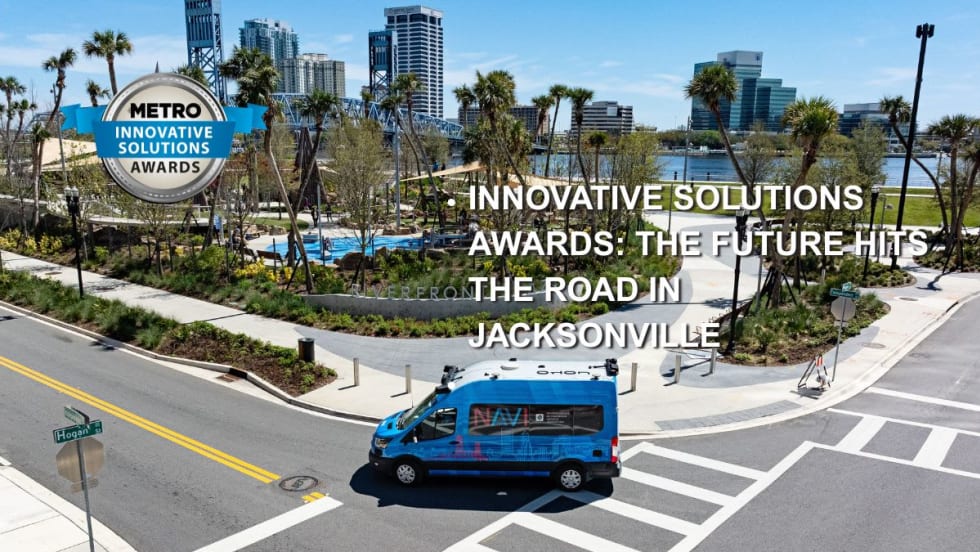
Jacksonville’s NAVI Project Charts a New Course for Autonomous Public Transportation
Through its NAVI program, JTA is showing how autonomous vehicles, intelligent infrastructure, and coordinated operations can work together to deliver everyday public transportation.
Read More →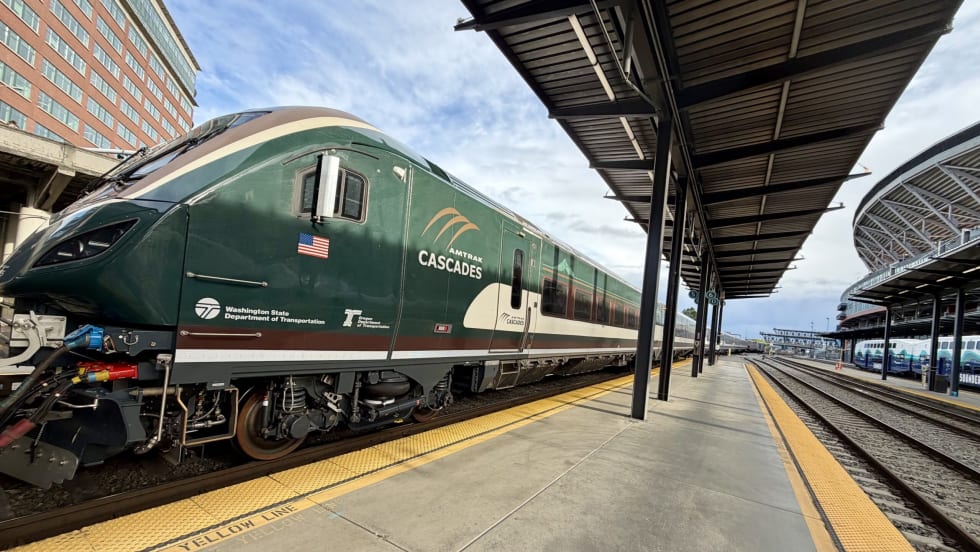
FRA Announces $5.3B in Rail Investments, Including $2B for Amtrak
Funding will support grade-crossing improvements, infrastructure upgrades, and new Amtrak equipment in 23 states.
Read More →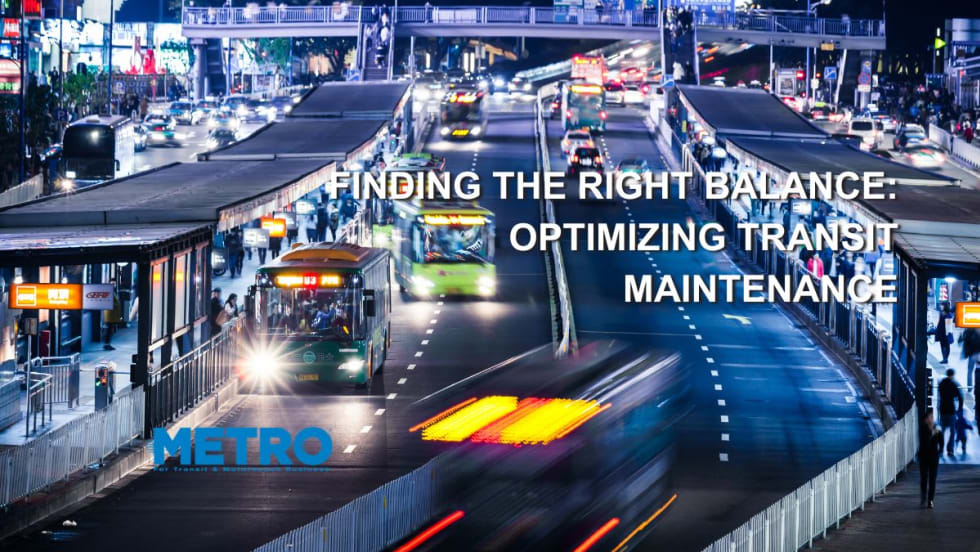
Finding the ‘Happy Medium’: Optimizing Maintenance Without Sacrificing Reliability
The key to maintenance optimization isn’t doing less work—it’s doing the right work at the right time on the right assets.
Read More →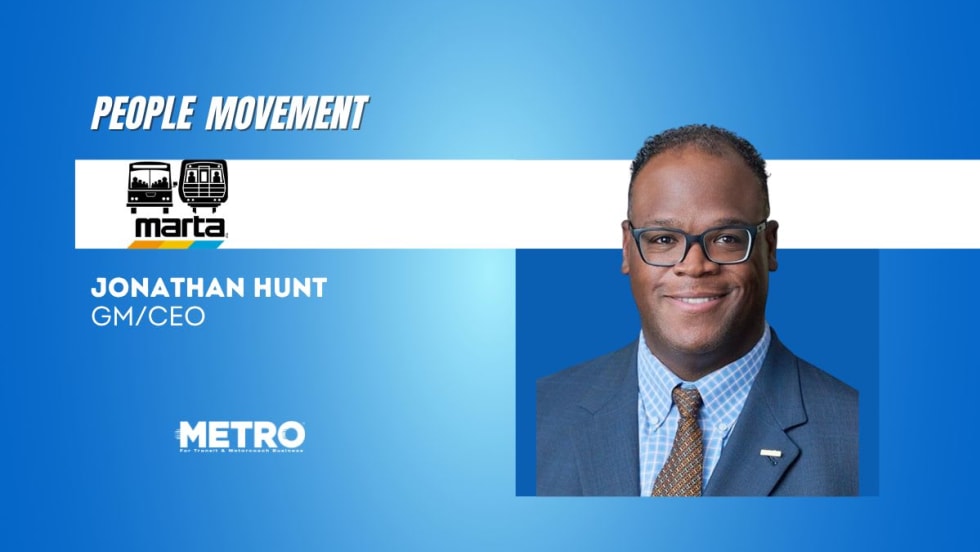
People Movement: MARTA Drops Interim Tag on GM/CEO Hunt and More
In this edition, METRO covers recent appointments and announcements at the FMCSA, HDR, SilverRide, and more, showcasing the individuals helping to shape the future of transportation.
Read More →
VIA Metropolitan Transit Reports 2 Million More Passenger Trips as Better Bus Plan Gains Momentum
San Antonio's transit agency said accelerated service improvements are driving ridership growth, offering another example of how increased frequency and workforce investments can translate into stronger transit performance.
Read More →
ABAF Study Reveals Growing Insurance Crisis for Motorcoach Operators
Preliminary findings show 98% of operators faced premium increases over the past five years, while shrinking insurer participation is putting added pressure on businesses and customers.
Read More →