



Motorcoach, tour and travel industry outlook
Peter Pantuso, CTIS, is the president and CEO of the American Bus Association.
As we finally begin to emerge from this long recession, the motorcoach, tour and travel industry outlook for 2010 is better than many thought it might be, even though we look back on 2009 as a year in which the industry faced some formidable challenges.
But there are signs to be optimistic.
Operators from across North America are reporting increased demand for a variety of services in 2010. Scheduled service is, of course, experiencing strong growth in many fixed-route corridors, particularly in the Northeast between Boston and Washington, D.C. There, operator surveys indicate a travel mode shift favoring motorcoaches is indeed under way, with a confluence of events contributing to the growth.
Whether it's concern about the environment, frustration with personal-auto gridlock and airline hassles, or the ease of creature-comfort-laden modern motorcoach travel, we are pulling from automobiles, trains and, perhaps, even planes, data shows.
Charters are up among many operators, even as the leisure travel market for tours and sightseeing appears to be lagging slightly behind charters and fixed-route demand. But when the leisure travel market does recover fully, it should favor bus travel - because consumers who have put off taking a vacation, given the economy, will certainly seek North American attractions and destinations before they consider going for expensive overseas vacations.
As the economy recovers, the environmental issue will once again regain prominence on the public policy agenda. Any political pollster will tell you that pocketbook issues eclipse almost every other issue when the economy is bad. But as the economy comes back to life, the green issue will once again regain national attention. And as motorcoaches are the greenest way to travel, achieving 206.6 passenger miles per gallon, this favors our industry.
Starting with model-year 2010 EPA-compliant motorcoach models, all coaches will be equipped with new technology to cut carbon monoxide and NOx, and in some cities the air coming out of motorcoach exhaust systems will be cleaner than the air going in.
Further, the outlook for 2010 is cause for optimism in that showing how buses boost tourism across North America will help during a Congressional election year. A recovering tourist economy means economic growth from motorcoach and group tours to every community.
That will help elected officials at all levels of government see that investing in travel and tourism development programs is more critical than ever. At a time when many states are facing tighter budgets, attracting visitors for leisure trips, business trips and sightseeing is critical to every state economy. That's why the American Bus Association is proud to have been a staunch supporter of the recently passed U.S. Travel Promotion Act.
One bus tour group staying just one night in a destination stimulates that local economy with up to $12,000 in spending — on hotels, dining, attractions, and retail purchases that generate tax revenue and create jobs.
Motorcoach trips exceed 750 million annually, more than the domestic airlines in many years. And we move more people in two weeks than Amtrak moves all year. Traveler and tourist demand from group tours and bus visitations generates more than $55 billion annually in economic transactions. This demand, coupled with purchases of new motorcoaches and equipment, generates employment for 792,700 people. That means every state is a bus state!
Across North America, state and provincial parks, hotels, restaurants, resorts, retail outlets, museums, scenic natural wonders, historical sites, monuments and other attractions all benefit from bus and group tours. And each one of those destinations stands to gain a better return on promoting tourism by going after leisure travelers 55 at a time, rather than by family-of-four at a time. Tourists by the busload bring more revenue and a greater marketing ROI than those by the carload.
Motorcoaches are today's solution: serving 14.4 million rural Americans and mobility-impaired citizens, mitigating congestion and providing cost-effective transportation to those who might not otherwise have it.
In a year of economic recovery, which 2010 will likely be, everyone gets back to basics. And, 2010 will be a good year for motorcoaches, tourism and group travel. When it comes to completing the North American transportation network of services, buses are basic!
More Motorcoach

From Surviving to Thriving: Building Stronger Transportation Organizations
Bus Business Consultants founder Brian Dickson shares lessons on leadership, organizational health, and creating options for long-term success in a changing transportation industry.
Read More →
Report: Canadian Motorcoach Industry Generates $4.4B in Economic Impact
The 2025 Motorcoach Economic Impact Report finds motorcoach travel supported nearly 25,000 jobs and generated $980 million in federal, provincial, and local taxes.
Read More →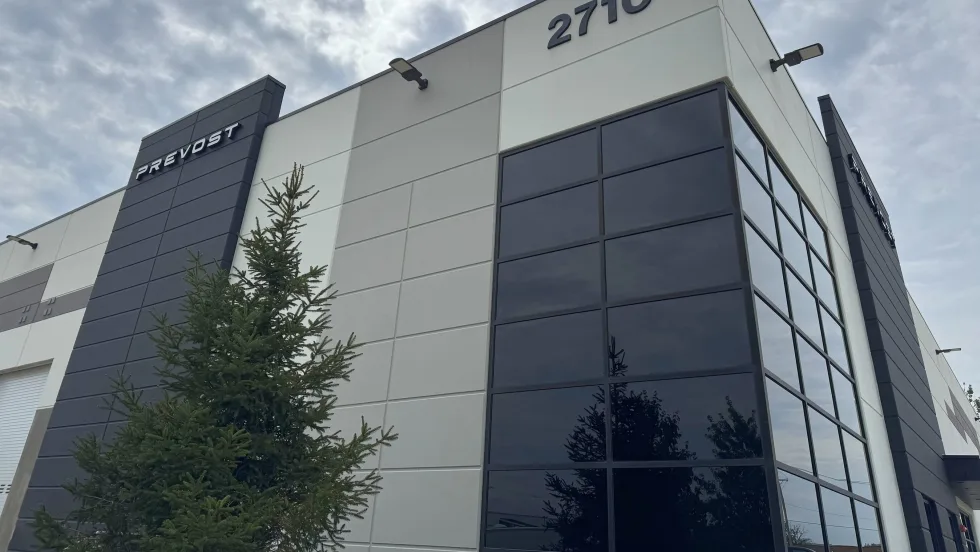
Prevost Opens Expanded Chicago-Area Service Center
The $8.1 million Elk Grove Village investment nearly triples facility space while adding service capacity, parts storage, and customer amenities.
Read More →
People Movement: Dan Dipert Coaches Adds Third-Generation Leader, Keolis Names New Valley Metro VP/GM, and More
In this edition, we also cover recent appointments and announcements at the Wabtec, SilverRide, HNTB, and more, showcasing the individuals helping to shape the future of transportation.
Read More →
METRO Opens Submissions for 2026 Motorcoach Awards
Nominations are now being accepted for METRO Magazine’s Operator of the Year and Innovative Operator of the Year awards.
Read More →
Biz Briefs: Alstom Lands Canadian Contract, LYT to Supply California TSP, and More
In METRO's latest installment, we take a look at recent news from Complete Coach Works, Beep, FlixBus, and more partnerships making headlines across the transportation sector.
Read More →
Biz Briefs: RIPTA Unveils New Frontrunners, Clevland RTA Adds New Siemens, and More
In METRO's latest installment, we take a look at recent news from Siemens, Prevost, Dodge, and more partnerships making headlines across the transportation sector.
Read More →
People Movement: Holly Arnold Joins Transdev and More
In this edition, we also cover recent appointments and announcements at Pace, CamTran, MCI, and more, showcasing the individuals helping to shape the future of transportation.
Read More →
ABA Report: Motorcoach Travel Generates $161.6B Economic Impact
The 2025 analysis finds motorcoach travel supported nearly 900,000 jobs and generated $28 billion in federal, state, and local taxes.
Read More →
CharterUP’s Armir Harris on Technology, AI, and the Future of Group Mobility
In a recent episode of METROspectives, CharterUP Founder/CEO Armir Harris discussed the company’s evolution from an online charter bus marketplace into a technology platform supporting public- and private-sector mobility and much more.
Read More →