



Operating budget squeeze shows need for tax revenues
Transit has only a few options to deal with the crisis. They can raise fares or cut services further, potentially driving away riders and local political support.
The huge squeeze on operating budgets, not only across the U.S. but in other countries, is a threat to the industry's survival both now and longer term. This is because it becomes more politically difficult to justify future investments when agencies are cutting existing service. The sooner we can end this vicious cycle — service cuts undermining capital programs, which can further threaten service — the sooner we can restore some health to the industry. To do that, though, we must find additional operating revenue. Since the federal government has essentially ended its support for operating assistance, except for smaller cities and rural areas (and the temporary emergency funding in the stimulus bill), it means that operating funding must come from states and local governments.
Brewing crisis
The operating assistance crisis has been brewing for a long time, as state and local budget cuts, higher fuel prices and rising health insurance costs have forced round after round of fare hikes and service cuts in transit agencies across the country. This is despite the fact that poll after poll shows very high public support for more transit service. The consistently high voter approvals of higher local taxes to pay for expanded service prove that popular support in the polls is real.
The fare increase option is showing some limits. In the past two decades, average fares on San Francisco Bay Area bus and rail services have risen at more than double the inflation rate, according to the San Francisco Chronicle. Studies show that fare hikes can cut ridership.
Although gasoline prices have prompted many people to choose transit for many of their local trips, fuel prices don't entirely explain either the need for those fare increases or their budget squeezes. For instance, a Top 100 bus fleet on the West Coast now spends nearly five times more than it spent two decades ago — the agency's fuel costs account for less than 10 percent of its operating budget. The real culprits are rising health care costs for its current employees and retirees, as well as mandates that have been put on transit operations, such as for alternative fuels and disability regulation compliance, which are obviously not going away any time soon.
Transit has only a few options to deal with the crisis. They can raise fares or cut services further, potentially driving away riders and local political support. They can also risk worker strikes by forcing the unions to accept more pay and benefit cuts. Long-term, however, they must make the case that public investments in operations are worth doing, as has successfully been done with capital programs. We must make the same case that it is as good for business and the economy as it is for the environment or society - in many places in the current political climate, those business-case arguments are even more important.
APTA's publictransportation.org has some excellent new resources. Social media has also been very successful in winning ballot measures all across the country for new transit service. These same tools now need to be applied to operations funding.
More Bus
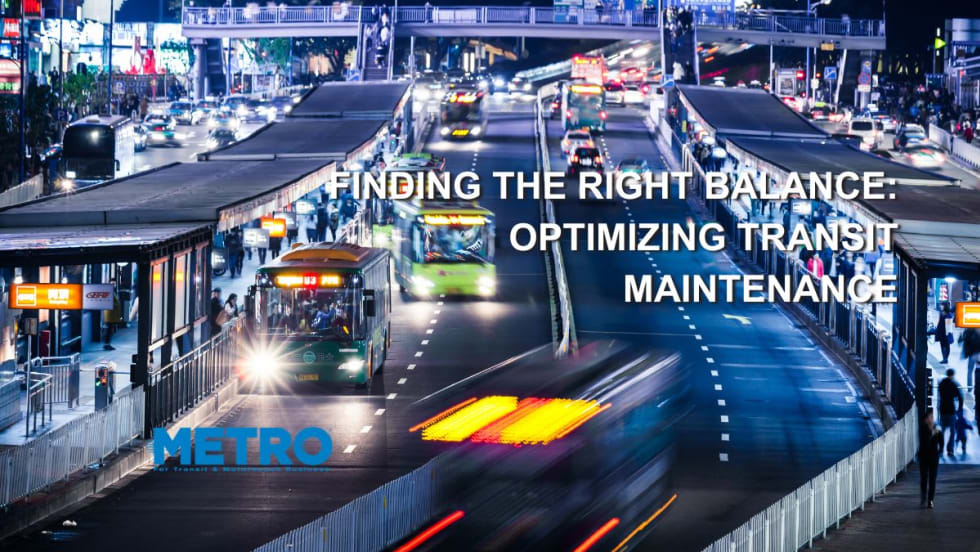
Finding the ‘Happy Medium’: Optimizing Maintenance Without Sacrificing Reliability
The key to maintenance optimization isn’t doing less work—it’s doing the right work at the right time on the right assets.
Read More →
LA Metro, City of West Hollywood, and Partners Advance Smarter Bus Lane Enforcement
The award-winning partnership combines AI-powered detection with human oversight to improve bus reliability, accessibility, and enforcement efficiency.
Read More →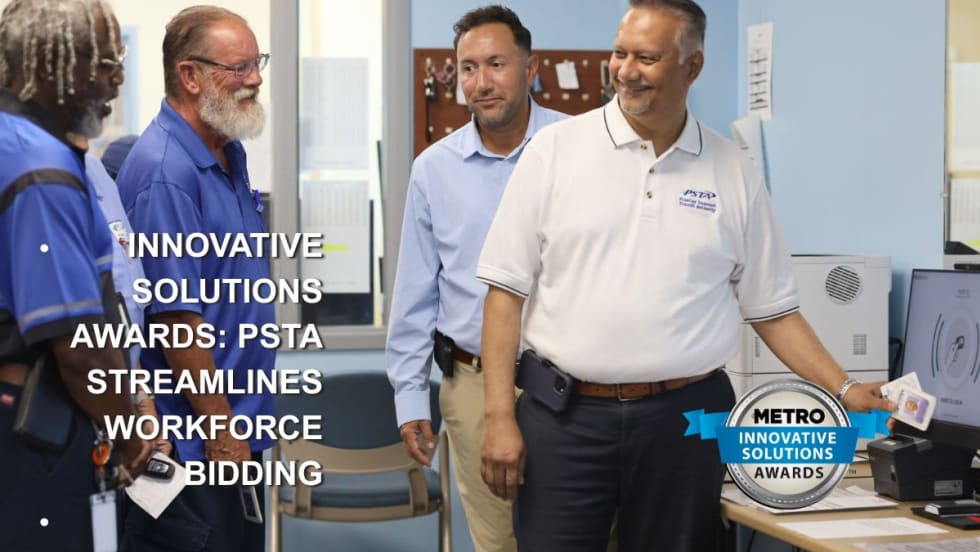
PSTA Modernizes Workforce Management with Digital Bidding System
The award-winning Workforce Transit Modernization project replaced paper bidding with a transparent digital platform, cutting administrative effort while improving access for operators.
Read More →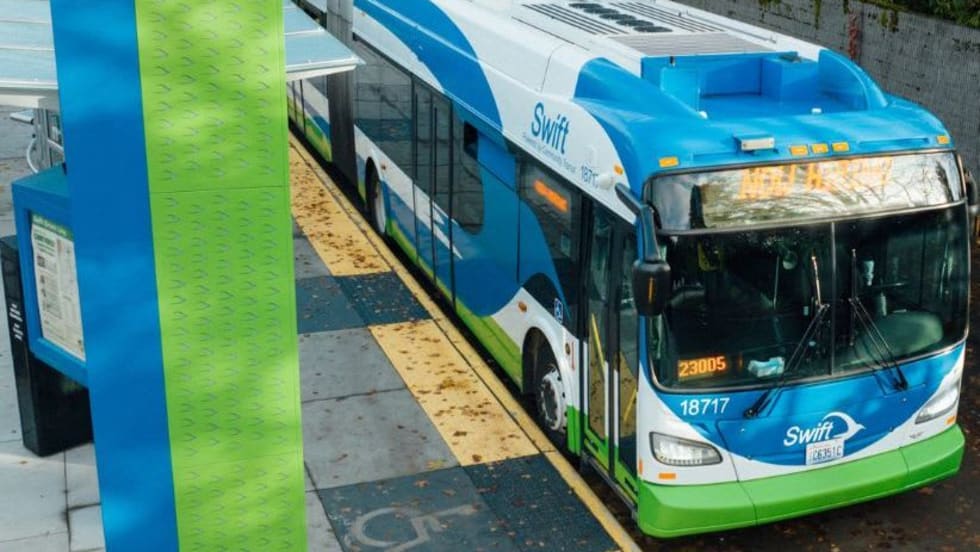
Washington's Community Transit Sets Six-Year Roadmap for Growth, Expansion
Approved TDP targets more bus service, new mobility options, Swift BRT expansion, and a potential Everett Transit annexation.
Read More →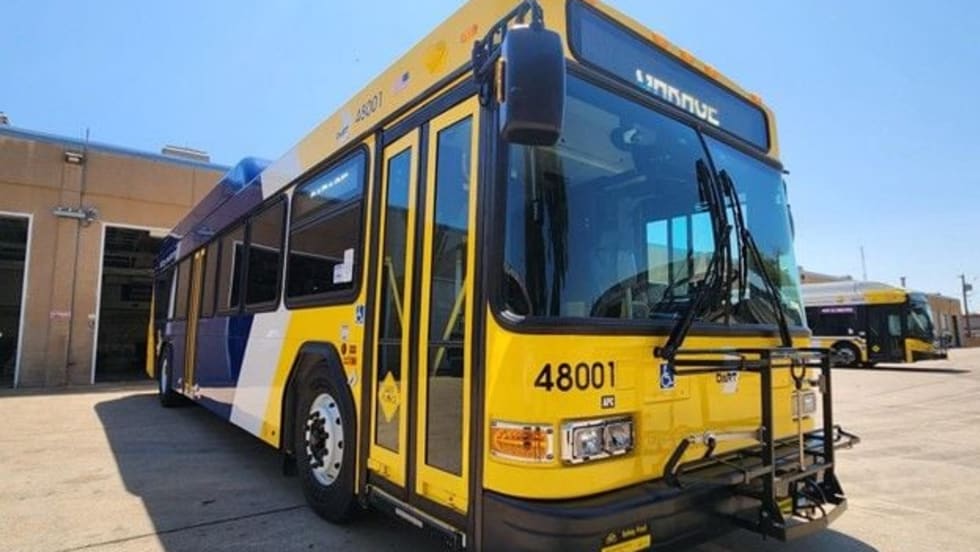
DART Customer Satisfaction Reaches Six-Year High
Overall satisfaction rose to 74.9%, while the agency’s Net Promoter Score reached a record 33.7.
Read More →
How DART's GoPass Is Redefining Regional Mobility
Serving 14 transit agencies, GoPass simplifies multimodal travel by allowing riders to plan, pay for, and manage an entire trip through one app.
Read More →
Biz Briefs: OCTA Taps Clean Energy for Hydrogen Station, Stadler to Supply Via Rail Vehicles, and More
From manufacturers and suppliers to transit agencies and motorcoach operators, these updates offer a snapshot of the projects, partnerships and business moves driving the industry forward.
Read More →
METRO Magazine Announces 2026 Innovative Solutions Awards Winners
Projects Recognized for Advancing Mobility Through Technology, Accessibility, Workforce Innovation, and Operational Excellence
Read More →
Biz Briefs: STV teams with Amtrak, Motorcoach Operators Boost Fleet and Land Contracts, and More
From manufacturers and suppliers to transit agencies and motorcoach operators, these updates offer a snapshot of the projects, partnerships and business moves driving the industry forward.
Read More →
LA Metro Marks Banner Year, Sets Ambitious Goals for New Fiscal Year
Incoming LA Metro Board Chair and Los Angeles Mayor Karen Bass joined outgoing Board Chair Fernando Dutra and LA Metro CEO Stephanie Wiggins to review accomplishments from fiscal year 2026, which included the opening of new rail extensions, advancement of major transit projects, expanded safety programs, and new rider amenities.
Read More →