



Public transportation's reckoning is coming soon
Cliff Henke, a contributing editor to METRO, is senior analyst at PB. His views herein are solely his own.
As I have recently written in this space, the wave of changes in Congress, state legislatures and governors to a much more conservative content has already had a significant impact on federal and state public transportation policy, particularly in rail investments. Already in 2011, we have seen the Congress and President Obama agree to significant cuts to General Fund discretionary (i.e., non-Highway Trust Fund) transportation programs for the rest of the current fiscal year, and for transit, even the "guaranteed" money from the Mass Transit Account was frozen at last fiscal year's levels.
Most ominously, this bill provided no funding for high-speed rail in FY 2011 and cuts the Capital Investment Grant (New Starts) program by $400 million, with $280 million rescinded from the FY 2010 appropriation bill for New Starts. The president agreed to some of these cuts because of the projects that governors in Wisconsin, Florida and New Jersey recently killed. Yet another, in Ohio, will end state funding for Cincinnati's streetcar, which happens to be the highest-rated project in Gov. John Kasich's state, according to Ohio's bipartisan transportation commission.
They have only begun
These more conservative officials have only begun, however, and the next few months will likely be the most significant for the future of rail investments, perhaps in the next decade or even generation. How three interrelated issues are decided in the short term, all of them even possibly by the time you read this, will largely determine this outcome.
The first of these decision points is over raising the debt ceiling. While the chances of this happening are slim, the idea of flirting with default could make interest rates spike, not only for federal Treasury bills and bonds but also for other public and private sector debt tied to the benchmark federal rates. This could include local and state bond issues for any transit projects. If that happens, the budget will also have to be cut even further to make room for higher interest federal debt payments, putting even further pressure on lawmakers to cut discretionary spending, and, so far, public transportation has taken bigger hits than most other programs.
The second decision is how the president and congressional leaders will agree to cut the federal deficit. Although the recently enacted House budget — which would severely cut not only some of the most politically sacrosanct programs like Medicare and Social Security, but also transportation programs by as much as 30 percent over the next decade — is likely dead on arrival in the Senate, both that body and the White House must agree with the House leadership on something. What that "something" will be will shape federal transportation policy for a decade or more.
Deficit drives decisions
These negotiations will drive the final decision point — authorization. House Transportation and Infrastructure Committee Chairman John Mica will likely draft something that will be vastly smaller than President Obama's $550 billion proposal. The Senate will likely be somewhere in between — but any amount over Mica's would require more taxes. This is why everyone is watching what the "Gang of Six" Senators will do on the long-term deficit. They are starting with recommendations from the president's deficit commission, which included a gas tax increase for the deficit and infrastructure.
This is how the reckoning on the future of federal investment in public transportation will play out. It is unclear how this will go, but all who care need to weigh in, forcefully.
More Bus

Finding the ‘Happy Medium’: Optimizing Maintenance Without Sacrificing Reliability
The key to maintenance optimization isn’t doing less work—it’s doing the right work at the right time on the right assets.
Read More →
LA Metro, City of West Hollywood, and Partners Advance Smarter Bus Lane Enforcement
The award-winning partnership combines AI-powered detection with human oversight to improve bus reliability, accessibility, and enforcement efficiency.
Read More →
PSTA Modernizes Workforce Management with Digital Bidding System
The award-winning Workforce Transit Modernization project replaced paper bidding with a transparent digital platform, cutting administrative effort while improving access for operators.
Read More →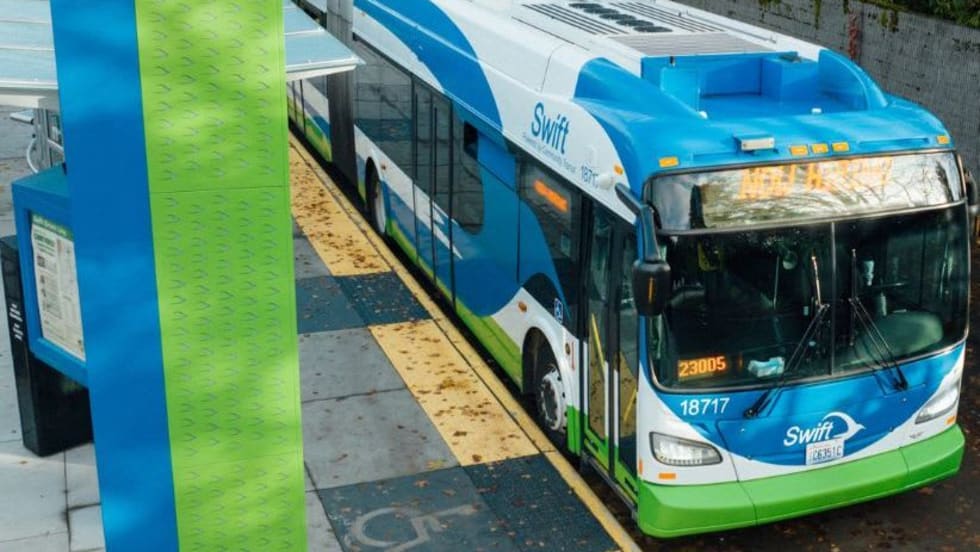
Washington's Community Transit Sets Six-Year Roadmap for Growth, Expansion
Approved TDP targets more bus service, new mobility options, Swift BRT expansion, and a potential Everett Transit annexation.
Read More →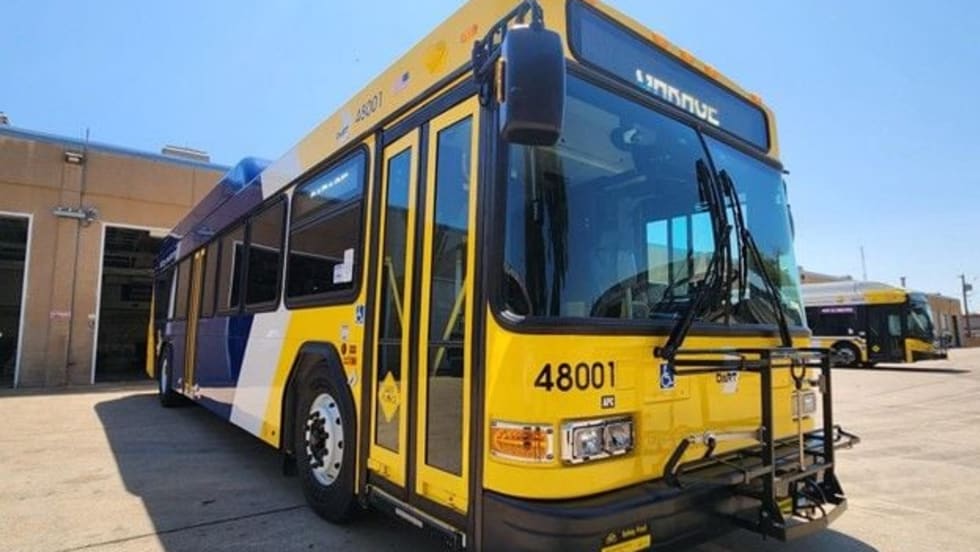
DART Customer Satisfaction Reaches Six-Year High
Overall satisfaction rose to 74.9%, while the agency’s Net Promoter Score reached a record 33.7.
Read More →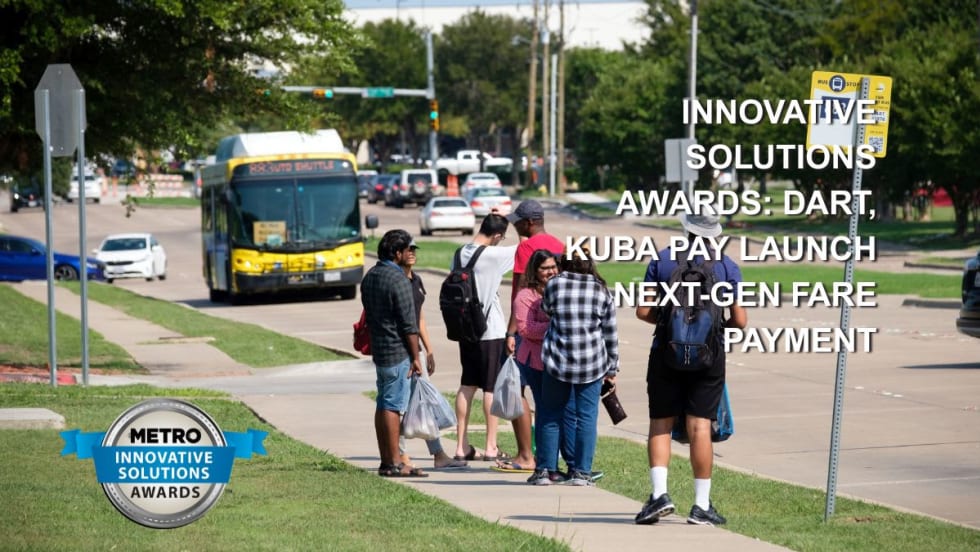
How DART's GoPass Is Redefining Regional Mobility
Serving 14 transit agencies, GoPass simplifies multimodal travel by allowing riders to plan, pay for, and manage an entire trip through one app.
Read More →
Biz Briefs: OCTA Taps Clean Energy for Hydrogen Station, Stadler to Supply Via Rail Vehicles, and More
From manufacturers and suppliers to transit agencies and motorcoach operators, these updates offer a snapshot of the projects, partnerships and business moves driving the industry forward.
Read More →
METRO Magazine Announces 2026 Innovative Solutions Awards Winners
Projects Recognized for Advancing Mobility Through Technology, Accessibility, Workforce Innovation, and Operational Excellence
Read More →
Biz Briefs: STV teams with Amtrak, Motorcoach Operators Boost Fleet and Land Contracts, and More
From manufacturers and suppliers to transit agencies and motorcoach operators, these updates offer a snapshot of the projects, partnerships and business moves driving the industry forward.
Read More →
LA Metro Marks Banner Year, Sets Ambitious Goals for New Fiscal Year
Incoming LA Metro Board Chair and Los Angeles Mayor Karen Bass joined outgoing Board Chair Fernando Dutra and LA Metro CEO Stephanie Wiggins to review accomplishments from fiscal year 2026, which included the opening of new rail extensions, advancement of major transit projects, expanded safety programs, and new rider amenities.
Read More →