



Stimulus working, now we need a new authorization bill
I have never understood why these same people say the New Deal didn't help get us out of the Depression and that it took World War II -- conveniently forgetting that war spending is more government spending!
Just before this was written, a blog entry by U.S. Secretary of Transportation Ray LaHood flew around the Internet. It had a great note from Denny Howard, CEO of Gillig LLC, about how the stimulus has directly affected his employees and suppliers. Along with IMPulse
NC LLC President Jeff Wharton's similar testimony in a Congressional hearing, it shows how the stimulus created or saved jobs, not just in local government transit agencies but also the private sector.
Don't let critics lie about the stimulus
Because of the stimulus bill, which was passed by Congress and signed by the president in 2008, manufacturers, private sector transit suppliers, contractors and consultants have been able to retain their workforces and have even added workers. According to government and American Public Transportation Association sources, stimulus grants have allowed transit agencies to purchase more than 12,000 new vehicles, including buses, railcars and vans for rideshare and demand-response services. Economists all across the spectrum, including those who advised Sen. John McCain (R-AZ), say the stimulus worked the way it was designed.
In his blog post, LaHood continued, he decided to place a phone call to Howard to discuss his note further. Here's what he had to say: "I've been with Gillig for 32 years, so I've been watching the transit industry for decades. I meet with managers from transit agencies every day, and I have never seen the local funding in such desperate straits as today.
"A typical year industry-wide, agencies buy about 5,000 buses a year. With the stimulus, it's up to 7,000 for last year, this year and next year. But, if the stimulus hadn't come through, the market would have dropped 40 percent to 3,000 buses a year for last year, this year and, at least, through next year."
Similar stories have been reported by other companies, in all sectors and modes.
Howard made another point worth repeating here: "And, there's a multiplier effect, too. Every base manufacturing job is worth five jobs down the supply chain."
I bring all this up, even though most of you have probably seen it already, for two reasons. First, we need to share this story every time we hear conservative commentators assert that this law didn't help the economy or create jobs "that were not government jobs." I have never understood why these same people say the New Deal didn't help get us out of the depression and that it took World War II - conveniently forgetting that war spending is more government spending!
Authorization now, for the same reasons
The second reason is that our industry is coming to another economic cliff, unless Congress passes and the president signs an authorization bill. This economy is not even close to being out of the woods; a check of the unemployment rate greatly underlines this point.
For the same reasons that we needed the stimulus bill to pass, we need a new transportation authorization bill — and soon.
More Bus
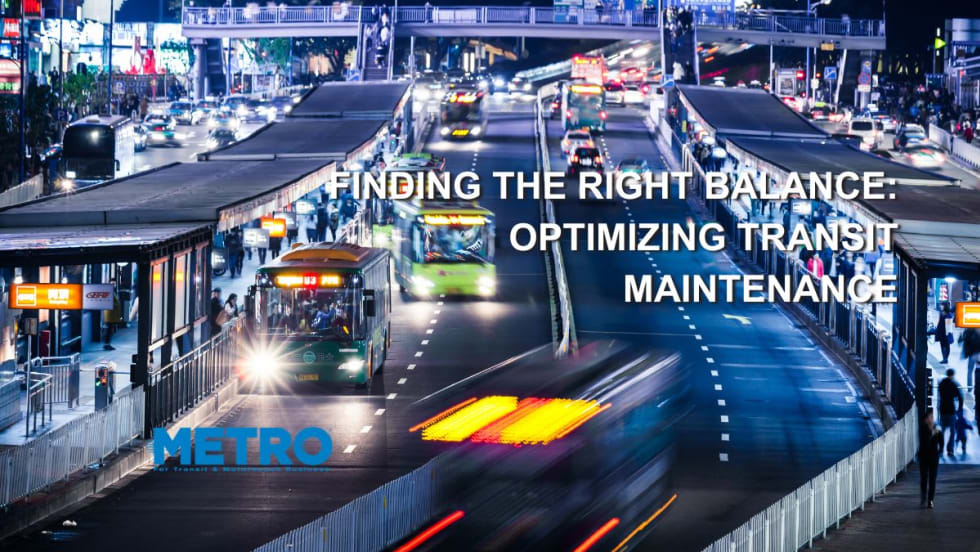
Finding the ‘Happy Medium’: Optimizing Maintenance Without Sacrificing Reliability
The key to maintenance optimization isn’t doing less work—it’s doing the right work at the right time on the right assets.
Read More →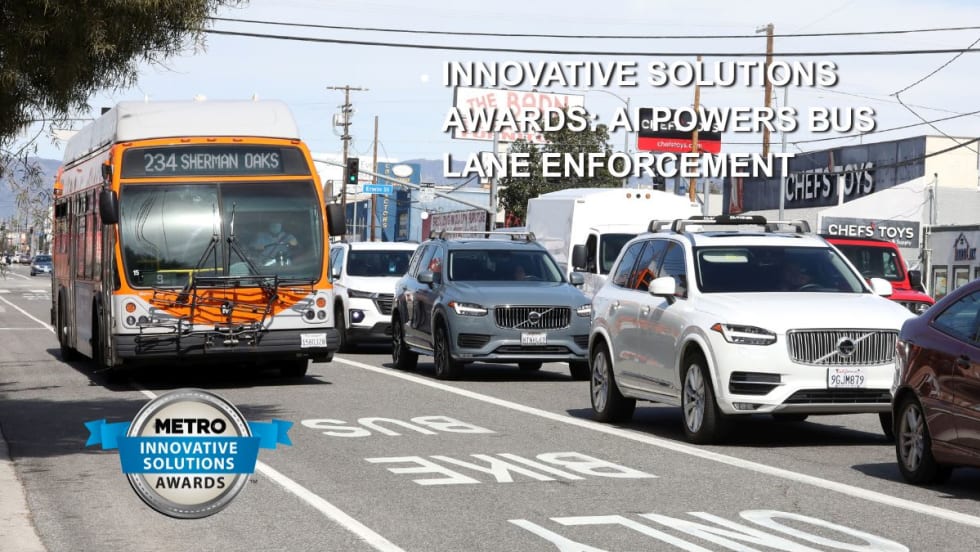
LA Metro, City of West Hollywood, and Partners Advance Smarter Bus Lane Enforcement
The award-winning partnership combines AI-powered detection with human oversight to improve bus reliability, accessibility, and enforcement efficiency.
Read More →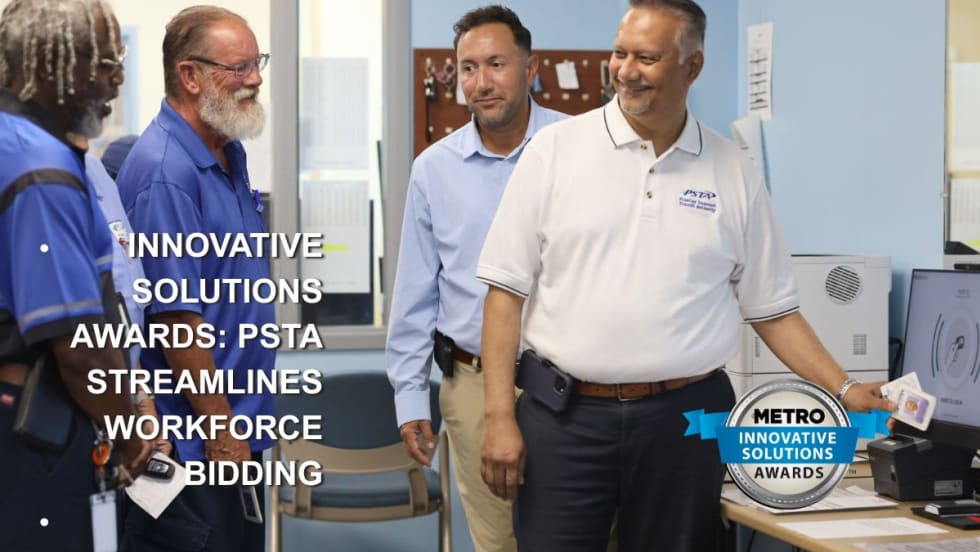
PSTA Modernizes Workforce Management with Digital Bidding System
The award-winning Workforce Transit Modernization project replaced paper bidding with a transparent digital platform, cutting administrative effort while improving access for operators.
Read More →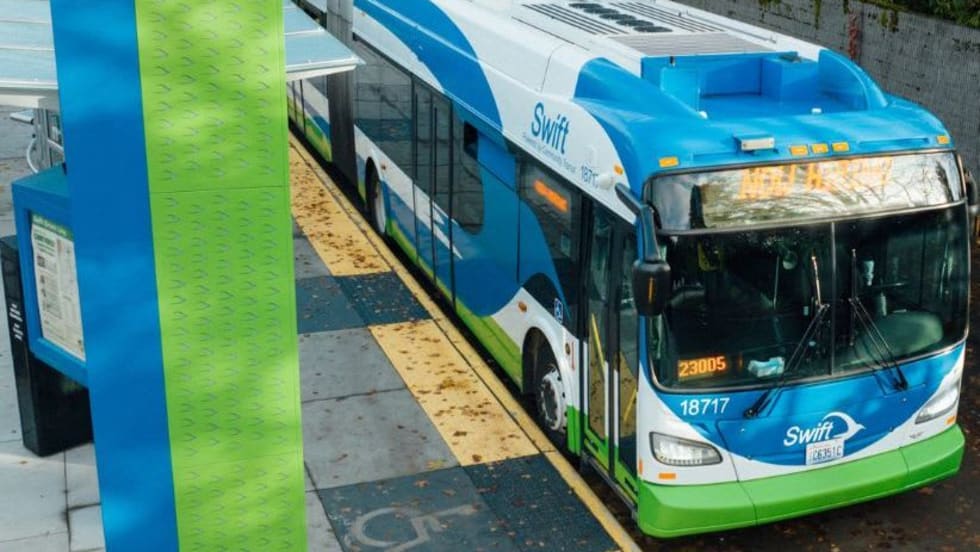
Washington's Community Transit Sets Six-Year Roadmap for Growth, Expansion
Approved TDP targets more bus service, new mobility options, Swift BRT expansion, and a potential Everett Transit annexation.
Read More →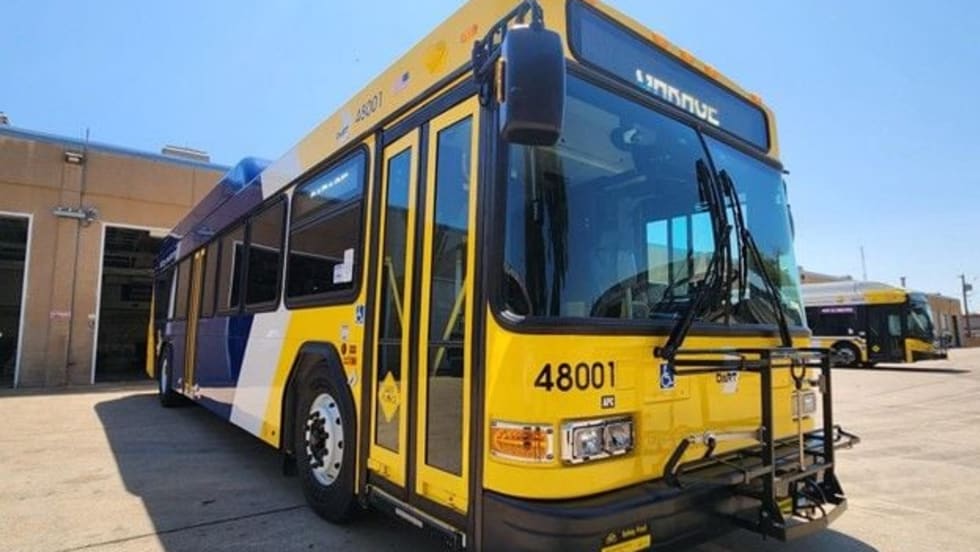
DART Customer Satisfaction Reaches Six-Year High
Overall satisfaction rose to 74.9%, while the agency’s Net Promoter Score reached a record 33.7.
Read More →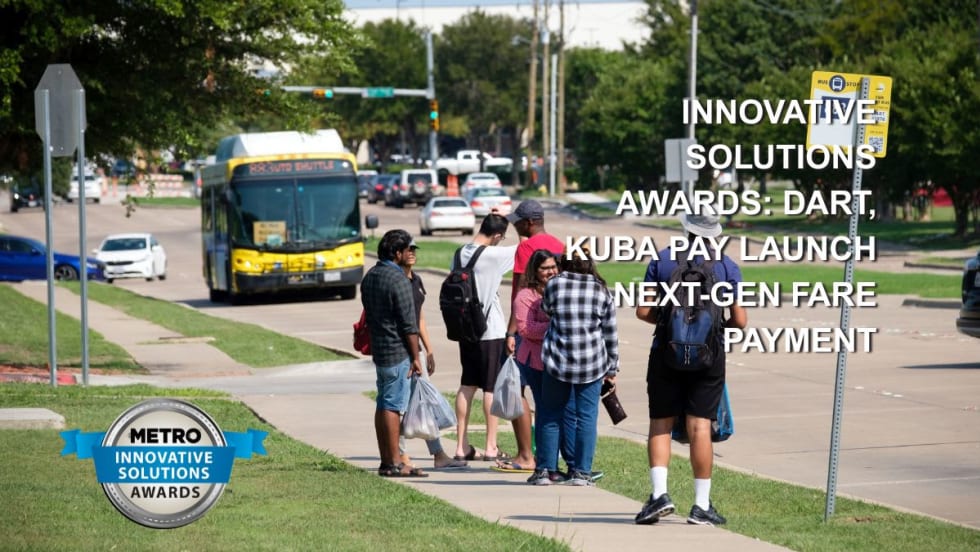
How DART's GoPass Is Redefining Regional Mobility
Serving 14 transit agencies, GoPass simplifies multimodal travel by allowing riders to plan, pay for, and manage an entire trip through one app.
Read More →
Biz Briefs: OCTA Taps Clean Energy for Hydrogen Station, Stadler to Supply Via Rail Vehicles, and More
From manufacturers and suppliers to transit agencies and motorcoach operators, these updates offer a snapshot of the projects, partnerships and business moves driving the industry forward.
Read More →
METRO Magazine Announces 2026 Innovative Solutions Awards Winners
Projects Recognized for Advancing Mobility Through Technology, Accessibility, Workforce Innovation, and Operational Excellence
Read More →
Biz Briefs: STV teams with Amtrak, Motorcoach Operators Boost Fleet and Land Contracts, and More
From manufacturers and suppliers to transit agencies and motorcoach operators, these updates offer a snapshot of the projects, partnerships and business moves driving the industry forward.
Read More →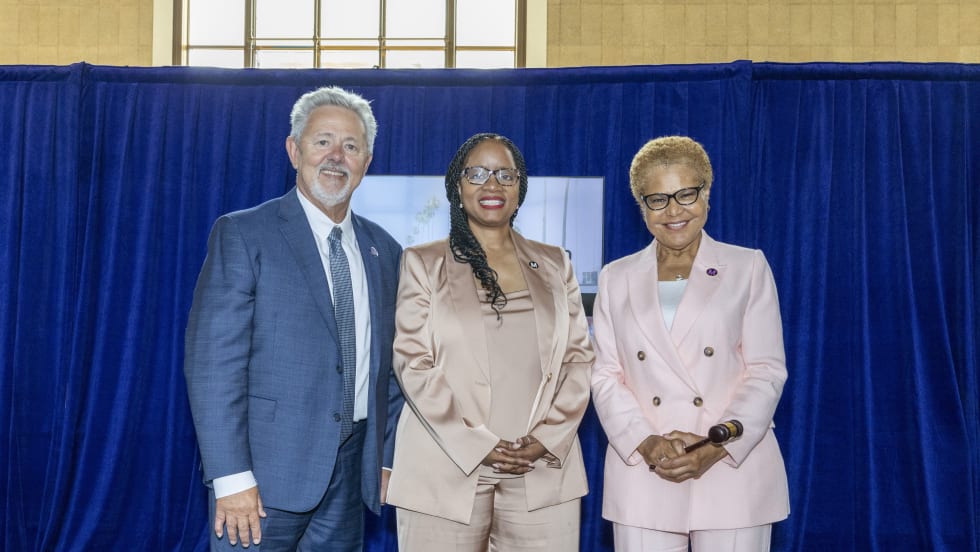
LA Metro Marks Banner Year, Sets Ambitious Goals for New Fiscal Year
Incoming LA Metro Board Chair and Los Angeles Mayor Karen Bass joined outgoing Board Chair Fernando Dutra and LA Metro CEO Stephanie Wiggins to review accomplishments from fiscal year 2026, which included the opening of new rail extensions, advancement of major transit projects, expanded safety programs, and new rider amenities.
Read More →