Despite challenges, SEPTA aiming to meet PTC deadline
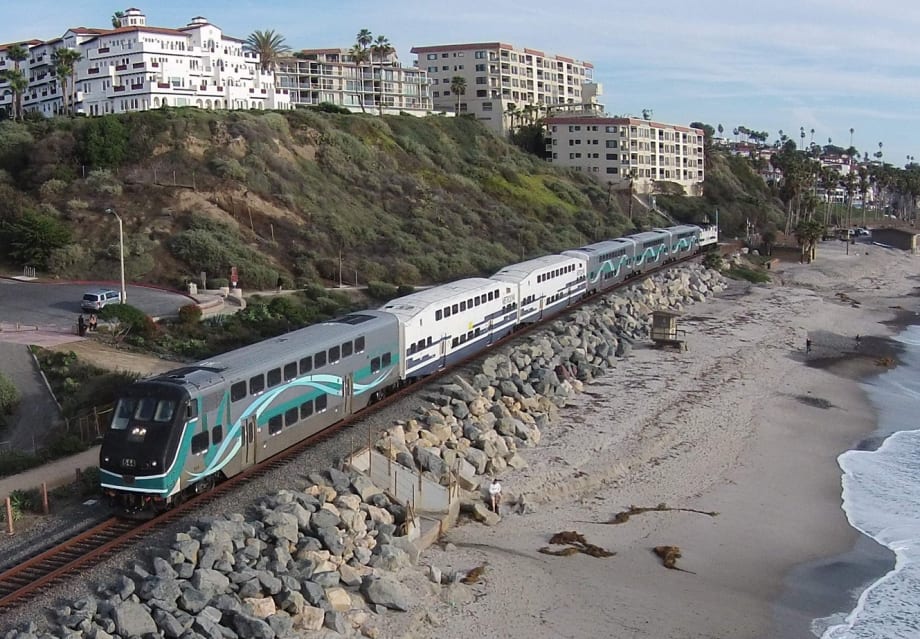
The Southeastern Pennsylvania Transportation Authority (SEPTA) is working hard to meet the PTC mandate. “The safety enhancements offered by PTC are critically important for the safe operation of SEPTA’s Regional [commuter] Rail system,” says SEPTA GM Joseph M. Casey. “Barring any unforeseen technical challenges or concerns that arise during testing, we will be in full compliance by the deadline. It will be a photo finish, but we will make it.”
When completed, SEPTA will have made a capital investment of $328 million and committed years of intense work to upgrade signals, communication systems, and vehicles to implement a viable and reliable PTC system across its 230-mile Regional Rail network.
The authority shares almost 81 miles of track with four freight lines. Three of SEPTA’s 13 Regional Rail lines operate on Amtrak-owned track. Because a significant portion of SEPTA’s commuter rail system operates in Amtrak territory, the authority is installing Amtrak’s PTC technology — Advanced Civil Speed Enforcement System (ACSES).
Adopting ACSES, however, presented SEPTA with an additional challenge on its West Trenton Line, which uses CSX track. CSX is installing IETMS, an entirely different PTC technology that is not compatible with ACSES. To resolve this major impediment, SEPTA and CSX agreed to physically separate their operations — SEPTA completed construction on its own track through CSX territory on the West Trenton Line in August. This additional PTC-related project costs $28 million and is partially funded with $10 million in federal TIGER Grant funding.
To meet the Dec. 31, 2015 PTC deadline, SEPTA doubled its ongoing interlocking modernization and Automatic Train Control (ATC) installation efforts immediately following the passage of the Rail Safety Improvement Act. Using in-house forces to install ATC gave SEPTA the flexibility to simultaneously engage third-party design and construction contractors for ACSES installation. This concurrent approach to PTC implementation was not only cost-effective; it allowed SEPTA to successfully meet key PTC benchmarks while completing ATC installation in accordance with its PTC implementation plan.
Work continues on the installation of ATC/PTC throughout the SEPTA Regional Rail network and training of roadway workers, train and engine crews, vehicle mechanics, signal maintainers and dispatchers is in progress. SEPTA started modifying and testing its 359-vehicle fleet in April, beginning with its 40-year-old Silverliner IV railcars, which comprises the majority of SEPTA’s fleet. The retrofit and testing process, which has been slower in the older trains, is scheduled to be completed by November. – Heather Redfern