



What government can do to create transit jobs
The real job creator, of course, is what APTA and its business members have advocated for more than a decade: a stable, longer-term funding bill at current levels or better.
Because the unemployment rate has been stuck above 9 percent — add in the underemployment rate and it's no less than double that, according to many reports - the president addressed a joint session of Congress. While we don't know exactly what he said at press time, what he said in his weekly Internet video the weekend before was right on. You want an effective jobs bill? Pass a long-term transportation bill.
Left and right ideas
Some on the left think the answer is to force businesses to keep jobs here by some sort of artificial "pay to play" mandate and one proposal they'd like to see passed is called "Make it In America." Part of this proposal calls for 100 percent content requirements in all public transportation vehicles, a level that is presenting a nightmare for those in the high-speed rail program, where such a mandate is part of the stimulus legislation — and where even longstanding U.S. brands in bus engines and transmissions probably would not meet, if it were extended to transit.
Some on the right think that a 35 percent cut in the current federal public transportation program can be filled with public-private partnerships (P3s) and looser environmental and other rules. Although P3s can help, no responsible study suggests that it can provide enough private financing or cut enough costs to fill the gap that a one-third cut from current federal funding levels would mean. Faster project development and funding approvals would also clearly help, but again, not by that much.
The real job creator
The real job creator, of course, is what APTA and its business members have advocated for more than a decade: a stable, longer-term funding bill at current levels or better. Business leaders tell me these conditions will help them make confident decisions about new hiring and funding new R&D.
It will give them the confidence to seek opportunities here, not shift their resources to other countries or other industries. Many of these private-sector companies are multinational and most are in other lines of business as well. In fact, for most, public transportation is nowhere near to being their most important market.
As I've pointed out before, state and local voters get it and have already passed ballot propositions this year at a historic 70 percent-plus rate, including those with tax increases attached. Many of these, though, assume that the federal government will also contribute a fair share, and some want the feds to help with more agreeable loan terms that states and cities would pay back with the money local taxpayers voted to give them. It is time for our federal leaders to be part of the solution for more job creation and not part of the problem.
More Bus

Finding the ‘Happy Medium’: Optimizing Maintenance Without Sacrificing Reliability
The key to maintenance optimization isn’t doing less work—it’s doing the right work at the right time on the right assets.
Read More →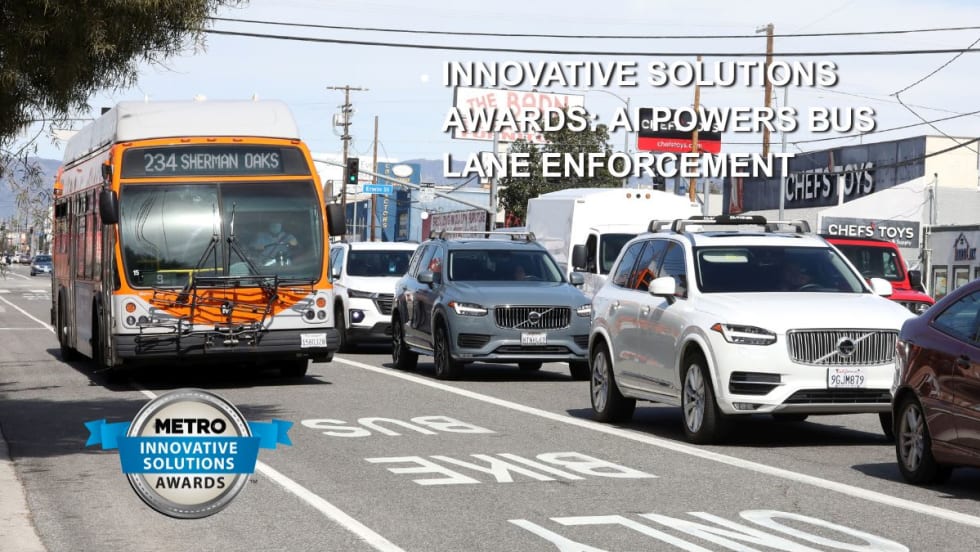
LA Metro, City of West Hollywood, and Partners Advance Smarter Bus Lane Enforcement
The award-winning partnership combines AI-powered detection with human oversight to improve bus reliability, accessibility, and enforcement efficiency.
Read More →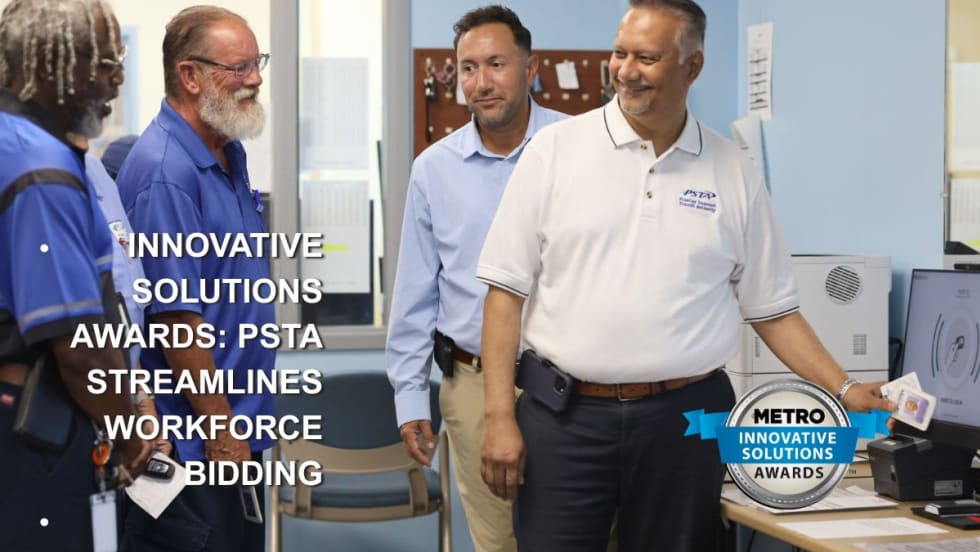
PSTA Modernizes Workforce Management with Digital Bidding System
The award-winning Workforce Transit Modernization project replaced paper bidding with a transparent digital platform, cutting administrative effort while improving access for operators.
Read More →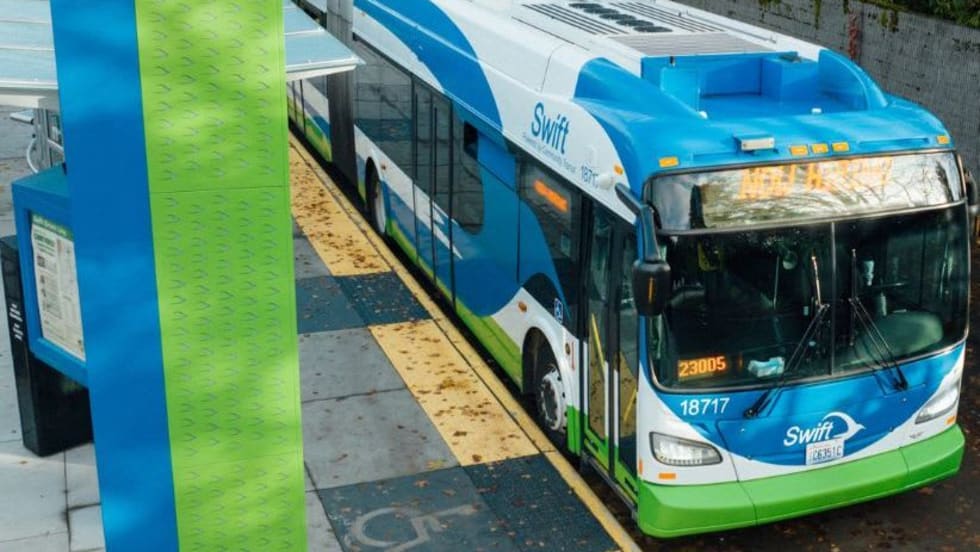
Washington's Community Transit Sets Six-Year Roadmap for Growth, Expansion
Approved TDP targets more bus service, new mobility options, Swift BRT expansion, and a potential Everett Transit annexation.
Read More →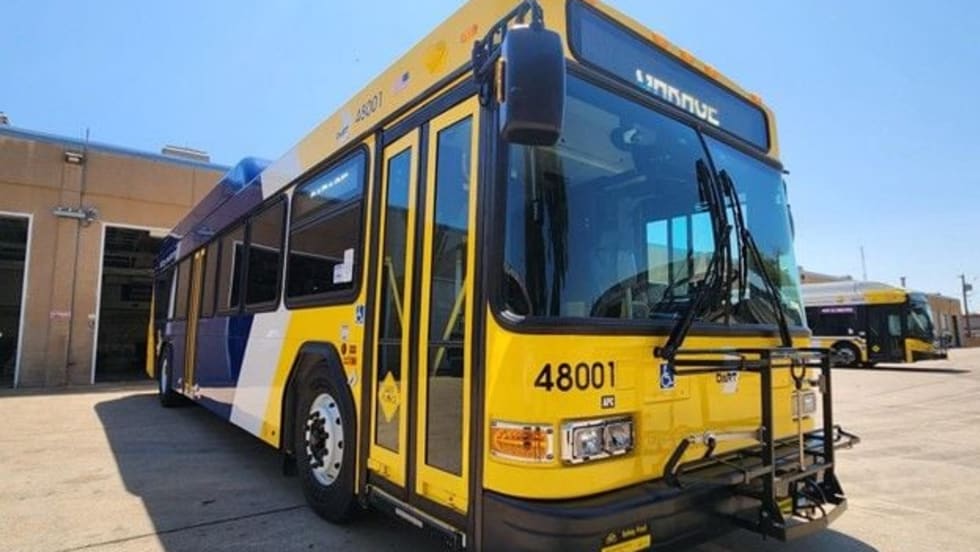
DART Customer Satisfaction Reaches Six-Year High
Overall satisfaction rose to 74.9%, while the agency’s Net Promoter Score reached a record 33.7.
Read More →
How DART's GoPass Is Redefining Regional Mobility
Serving 14 transit agencies, GoPass simplifies multimodal travel by allowing riders to plan, pay for, and manage an entire trip through one app.
Read More →
Biz Briefs: OCTA Taps Clean Energy for Hydrogen Station, Stadler to Supply Via Rail Vehicles, and More
From manufacturers and suppliers to transit agencies and motorcoach operators, these updates offer a snapshot of the projects, partnerships and business moves driving the industry forward.
Read More →
METRO Magazine Announces 2026 Innovative Solutions Awards Winners
Projects Recognized for Advancing Mobility Through Technology, Accessibility, Workforce Innovation, and Operational Excellence
Read More →
Biz Briefs: STV teams with Amtrak, Motorcoach Operators Boost Fleet and Land Contracts, and More
From manufacturers and suppliers to transit agencies and motorcoach operators, these updates offer a snapshot of the projects, partnerships and business moves driving the industry forward.
Read More →
LA Metro Marks Banner Year, Sets Ambitious Goals for New Fiscal Year
Incoming LA Metro Board Chair and Los Angeles Mayor Karen Bass joined outgoing Board Chair Fernando Dutra and LA Metro CEO Stephanie Wiggins to review accomplishments from fiscal year 2026, which included the opening of new rail extensions, advancement of major transit projects, expanded safety programs, and new rider amenities.
Read More →