




Read More: INIT, STA Introduce Contactless Payments
Women in Transportation: Ann Derby
Transit industry stalwart Ann Derby went from working at a TV station to a notable career at INIT, serving as director, marketing & events. Not every person has had the same career path as Derby, and she now shares her unique insight into working in transit.
September 29, 2023

Ann Derby has served as the director of marketing & events for INIT, Innovations in Transportation, Inc., for the past 16 years.
Photo: METRO
3 min to read
Ann Derby has a unique path to the public transportation industry. Not every person working within transit can say they started as a teacher and also worked at a TV station, but Derby can.
Derby can also say she built a successful career at INIT, Innovations in Transportation, Inc., as she has served as the director, marketing & events, since 2007.
Derby’s career in education began as an assistant at a local private school in Virginia. She went on to become a middle school department head and was later named “Teacher of the Year,” before pursuing marketing and event planning.
Before joining INIT, Derby also worked as an event producer for the TV station CBN in Virginia. She would travel internationally and the primary mode of transportation was by private car. Derby’s time at INIT opened up an appreciation for the significance of public transportation to the growth and sustainability of a city.
“In metropolises where public transportation was the preferred method of transportation, I was afforded a front-row seat to the dedication of transit employees,” Derby says. “Their mission to provide a positive customer experience left a lasting impression on me.”
Early Career Influences
As Derby revisits her career, she credits Lenay Gore, former APTA sr. director, meetings and trade shows, as one of the most influential people during her early career.
“Lenay encouraged me to actively participate in committees like the APTA EXPO Advisory and Business Members Board of Governors (BMBG),” Derby says. “My subsequent service on these committees proved to be groundbreaking as I became the first woman to ever hold the EXPO Chair position – a three-year term that extended to four years due to the pandemic – and I was in the first wave of women to serve in the ranks of BMBG.”
INIT also won APTA’s AdWheel Awards for Best Electronic Media Educational and Initiative and Comprehensive Campaign to Support Sales in 2021 under Derby’s guidance.
Derby’s involvement in APTA also features working on a team that drafted the new guidelines for the APTA Sustainability Committee.
In 2012, Derby led a sustainability initiative aimed at helping INIT lower its global footprint. INIT then earned the “Zero Waste to Landfill” certification.
Gore helping Derby in her early years at INIT proved to be the jumpstart of a successful career. Now, Derby passes along wisdom she has learned in the years following.
“To the women venturing into the industry today, my advice is to fearlessly pursue your dreams and don't be afraid to advocate for what you want,” Derby says. “Embrace compassion and ask for help when necessary, because even superheroes need support.”
Derby also explains how the industry can continue to see women in leadership roles.
“In our industry, the opportunities for women are bright, despite the persistent issue of pay equity,” Derby said. “We are witnessing a surge of powerful women taking up executive roles. To sustain this trend and keep those positions filled with great talent, creating flexible work environments (hybrid or remote) and true equity pay will play a crucial role in ensuring both productivity and employee satisfaction.”
Future Outlook of Transit
While the challenges in the transit industry have evolved with technological advancements, the mission has remained the same, according to Derby.
“I remember attending the first APTA-led Mobility as a Service meeting in Washington, D.C., where the integration of Uber, bikes, and scooters was being discussed as part of the public transportation experience,” she says. “At the time, it was groundbreaking. Today, the use of artificial intelligence is emerging as an advanced way to enhance the rider experience.”
Looking ahead, Derby foresees the integration of vehicle communication protocols as the next major hurdle.
“Most public transit buses have mixed-vendor, proprietary equipment with interfaces that cannot communicate or share data,” Derby says. “Standardizing on-board technology can significantly enhance maintenance processes, expedite system and device replacements, and increase flexibility for transit agencies. The ITxPT organization is making great strides in this realm.”
Subscribe to Our Newsletter
More Management

Castro to Lead RTC of Southern Nevada and More in People Movement
In this edition, we also cover recent appointments and announcements at the STV, MCI, and more, showcasing the individuals helping to shape the future of transportation.
Read More →
STraffic Expands North American Presence with Fare Collection Technology
John Moon, Associate Director, Product Strategy at STraffic, discusses the company's growth in North America, its efforts to reduce fare evasion, and more.
Read More →
Study: Denver RTD Generates $2.1 Billion in Annual Economic Activity
An economic impact study finds the agency supports approximately 17,500 jobs, delivers $1.6 billion in annual community and mobility benefits, and generates $2.42 in economic value for every dollar invested.
Read More →
Mark Aesch Nominated to Lead Federal Transit Administration
The former Rochester transit chief and TransPro founder, who has also contributed to METRO Magazine, brings decades of industry experience and a focus on performance, accountability, and financial sustainability to the nomination.
Read More →
Best and Worst U.S. Cities for Public Transportation in 2026
A new analysis of 50 major U.S. urban areas ranks public transit systems based on accessibility, affordability, usefulness, and safety, highlighting where transit performs best and where challenges remain.
Read More →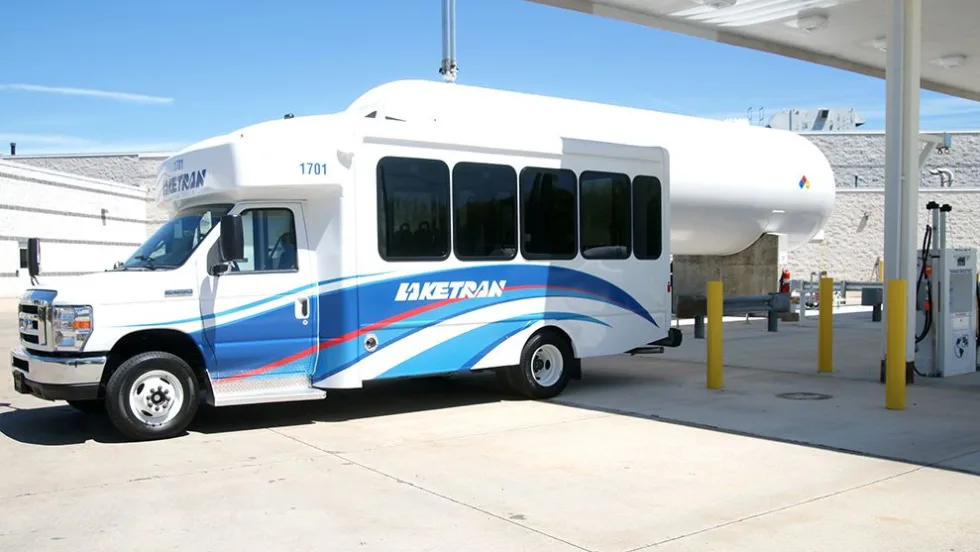
Laketran Cuts Fuel Costs, Boosts Efficiency with Propane-Powered Fleet
The Ohio transit agency is using propane-powered vehicles and on-site fueling infrastructure to cut fuel and maintenance costs while meeting growing demand for paratransit services.
Read More →
Canada’s Public Transit Supports $65.6 Billion in Annual GDP
New research from the Canadian Chamber of Commerce examines transit's economic contributions, including job creation and the financial implications of transportation investment.
Read More →
Pierce Transit Moves to Expand Fleet Following Proposition 1 Approval
The agency authorized the purchase or refurbishment of up to 60 buses to support a 47% service expansion, as voters nationwide approved billions in new transit funding.
Read More →
Right-Sizing Rural Transit: Lessons from North Grenville’s On-Demand Model
A small municipality shows how flexible service, rider needs, and public accountability can expand mobility with limited resources.
Read More →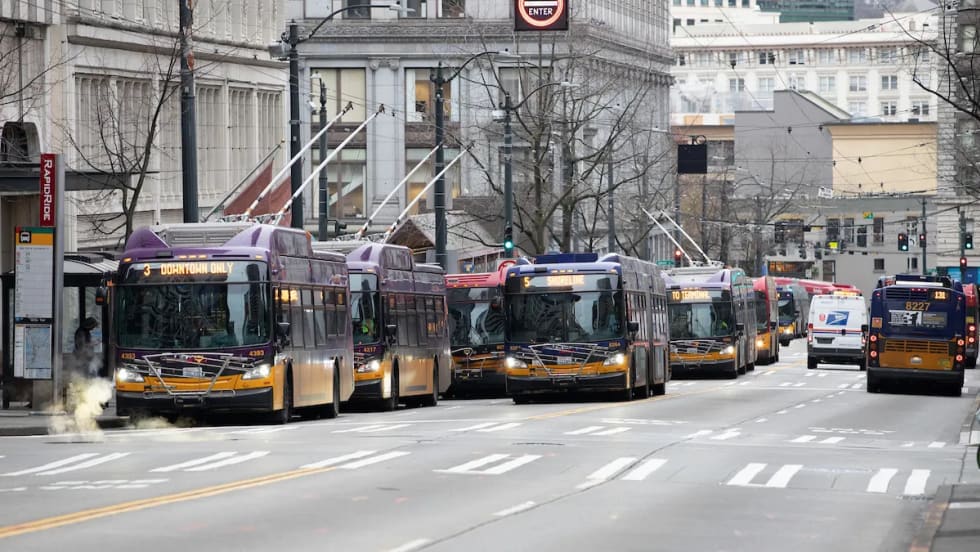
Transit Ballot Victories Signal Strong Voter Support: What Comes Next?
Voters approved billions in public transportation investments in 2026, giving agencies opportunities to preserve service, expand operations, and strengthen regional connections amid a changing political landscape.
Read More →