



LA Metro Marks Banner Year, Sets Ambitious Goals for New Fiscal Year
Incoming LA Metro Board Chair and Los Angeles Mayor Karen Bass joined outgoing Board Chair Fernando Dutra and LA Metro CEO Stephanie Wiggins to review accomplishments from fiscal year 2026, which included the opening of new rail extensions, advancement of major transit projects, expanded safety programs, and new rider amenities.


Incoming Metro Board Chair and Los Angeles Mayor Karen Bass, outgoing Metro Board Chair Fernando Dutra and Metro CEO Stephanie Wiggins reported the progress Metro made toward the agency’s goals in the last fiscal year.
LA Metro
- LA Metro's leadership reflected on achieving milestones, such as opening new rail extensions and advancing transit projects in fiscal year 2026.
- Safety programs were expanded and new rider amenities were introduced by LA Metro in the past fiscal year.
- Mayor Karen Bass assumes the role of Board Chair for the upcoming fiscal year, succeeding Fernando Dutra.
*Summarized by AI
Los Angeles County Metropolitan Transportation Authority (LA Metro) leaders highlighted major capital project milestones, safety improvements, and customer experience initiatives during the agency's annual State of the Agency event, while outlining priorities for fiscal year 2027.
Incoming LA Metro Board Chair and Los Angeles Mayor Karen Bass joined outgoing Board Chair Fernando Dutra and LA Metro CEO Stephanie Wiggins to review accomplishments from fiscal year 2026, which included the opening of new rail extensions, advancement of major transit projects, expanded safety programs, and new rider amenities.
Expansion Projects Advance
Among the year's most significant milestones were the September 2025 opening of the A Line extension to Pomona, which brought rail service to Glendora, San Dimas, La Verne and Pomona, and the May 2026 opening of the first section of the D Line extension, adding stations at Wilshire/La Brea, Wilshire/Fairfax and Wilshire/La Cienega.
LA Metro also celebrated the opening of the Santa Monica/Vermont Apartments, a 185-unit transit-oriented affordable housing development completed in partnership with Little Tokyo Service Center.
The agency continued advancing several major capital projects.
LA Metro broke ground on the North Hollywood-to-Pasadena Bus Rapid Transit (BRT) project in May 2026, while the board selected locally preferred alternatives for the Sepulveda Transit Corridor, the K Line extension to Torrance, and the K Line North project.
Safety Initiatives Show Progress
Officials reported continued progress on public safety, noting that violent crime declined for the second consecutive year and reached its lowest level since 2021, while customer satisfaction with safety measures reached record levels.
In January 2026, the agency's Department of Public Safety launched its Care-Based Services Division, consolidating the agency's Metro Ambassadors, Homeless Outreach Management and Engagement (HOME) program, and Community Intervention Specialists under one department. Recruitment for LA Metro's new sworn police force began in May, generating more than 950 applications during the first 24 hours.
Additional safety initiatives included the launch of an online Safety Hub and the expansion of the Tap to Exit program to additional rail stations to help reduce fare evasion and improve station security.
Customer Experience Enhancements, Focus on Major Events, and More
The agency also introduced several customer-focused improvements during the year, including contactless credit and debit card fare payments across its bus and rail network. Riders can now pay directly with a contactless bank card or digital wallet in addition to using a TAP card.
The agency also launched a new official mobile app featuring real-time trip planning, routing information and service alerts, while expanding community programming at rail stations through events such as farmers markets and other neighborhood activities.
Meanwhile, during the 2026 FIFA World Cup, LA Metro and its transit partners provided more than 212,000 direct trips to and from Los Angeles Stadium through enhanced transit service.
The agency also reported increased systemwide ridership as residents and visitors relied on public transportation to travel to matches, fan zones, and watch parties.
Officials said the event demonstrated the importance of transit in moving large crowds efficiently during major international events.
LA Metro also highlighted workforce development initiatives, including the first graduating class from the SEED School of Los Angeles County, a tuition-free public boarding STEM high school focused on transportation infrastructure and career readiness. According to the agency, every graduate will attend college, with students collectively receiving $13 million in scholarships and grants.
Looking Ahead to FY 2027
Looking ahead, the agency said fiscal year 2027 will focus on preparing the transit system for Super Bowl LXI in February 2027, deploying the agency's first class of sworn police officers, advancing major construction projects, and continuing work toward opening the second and third sections of the D Line extension.
"Our investments are producing visible results across the system," Wiggins said. "The World Cup demonstrated that when convenient transit options are available, people use them. We intend to build on that momentum as we continue delivering projects that improve mobility for major events as well as everyday travel throughout Los Angeles County."
Quick Answers
LA Metro's accomplishments in fiscal year 2026 included the opening of new rail extensions, advancement of major transit projects, expanded safety programs, and new rider amenities.
*Summarized by AI
More Management

LA Metro Breaks Ground on Vermont BRT Project
The 12.4-mile corridor is projected to serve 66,200 daily riders, reduce travel times by up to 24%, and create the nation's busiest bus rapid transit corridor.
Read More →
Building Stronger Leaders, More Resilient Transit Teams
Dr. Carol Parker Walsh discusses leadership development, employee retention, workplace culture, and preparing transit’s workforce for AI and automation.
Read More →
Roman Cornell on ABC Companies’ Evolution and the Future of Passenger Transportation
The company’s CEO discusses carrying forward a third-generation family legacy, ABC’s continued evolution in passenger transportation, support for increasingly complex fleets, and how technology and continued investment could help operators improve uptime.
Read More →
CATS Launches West Charlotte Microtransit Zone, Expands Transit Services
The new microtransit zone connects residents to key destinations as Charlotte Area Transit System rolls out the first phase of its 2055 Transit System Plan.
Read More →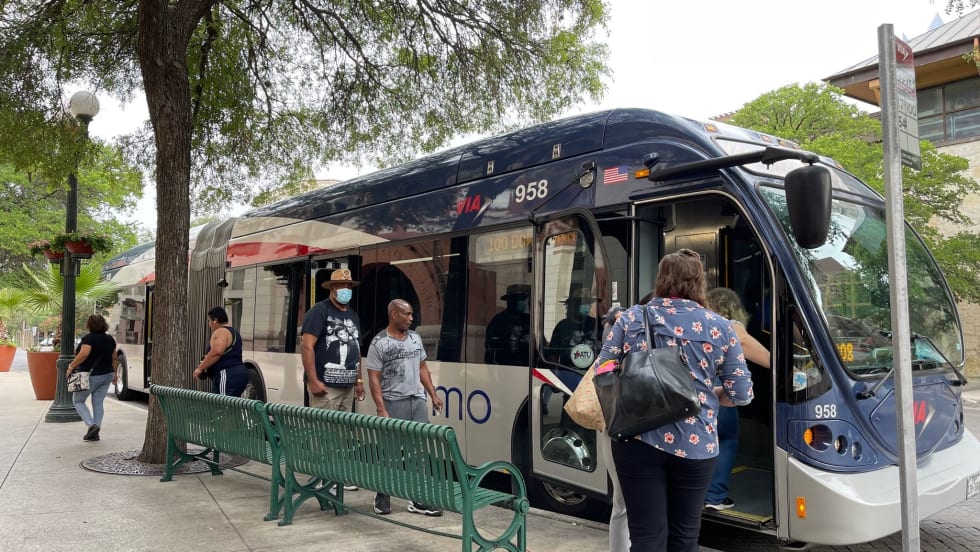
VIA Bus Ridership Grows 10.1% Through August 2026
San Antonio's VIA Metropolitan Transit reported the highest bus ridership growth among major Texas transit systems. Federal Transit Administration data ranked it second among the nation's 50 largest transit systems.
Read More →
CSA Group Releases Climate Resilience Standard for Transit, Passenger Rail
Developed with support from the Standards Council of Canada, CSA D700 guides assessing climate-related risks and planning adaptation measures for transit and passenger rail systems.
Read More →
ETA CEO John Maglio on Transit Technology, Innovation, and Building Agency Trust
ETA founder and CEO John Maglio explores the evolution of transit technology, the importance of reliable systems, and how stronger partnerships can help agencies improve operations and the passenger experience.
Read More →
COTA Launches First Customer Experience Action Plan to Improve Transit Service
The new plan outlines improvements to service reliability, accessibility, communication, and the overall rider experience across Central Ohio's transit system.
Read More →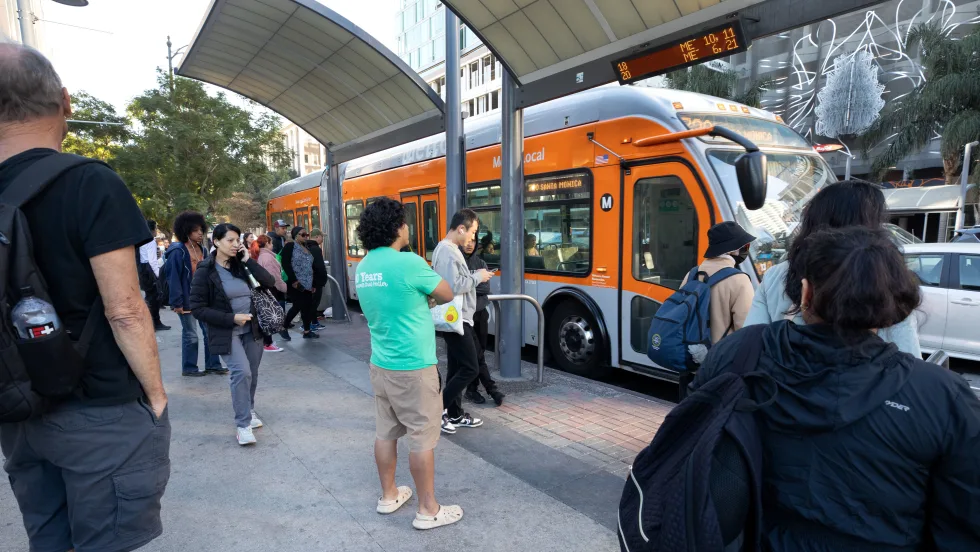
LA Metro September Ridership Climbs 3.9%, Led by Rail Growth
The agency recorded more than 27.2 million boardings, with rail ridership increasing 12.4% year over year and the D Line posting the largest gains.
Read More →
Utilimarc Launches SmartReplace to Optimize Fleet Replacement Decisions
AI-powered SmartReplace helps fleets prioritize vehicle replacements, model budget scenarios, and build more defensible long-term strategies.
Read More →