
Metro Magazine

 MENU
MENU SEARCHMENUSEARCH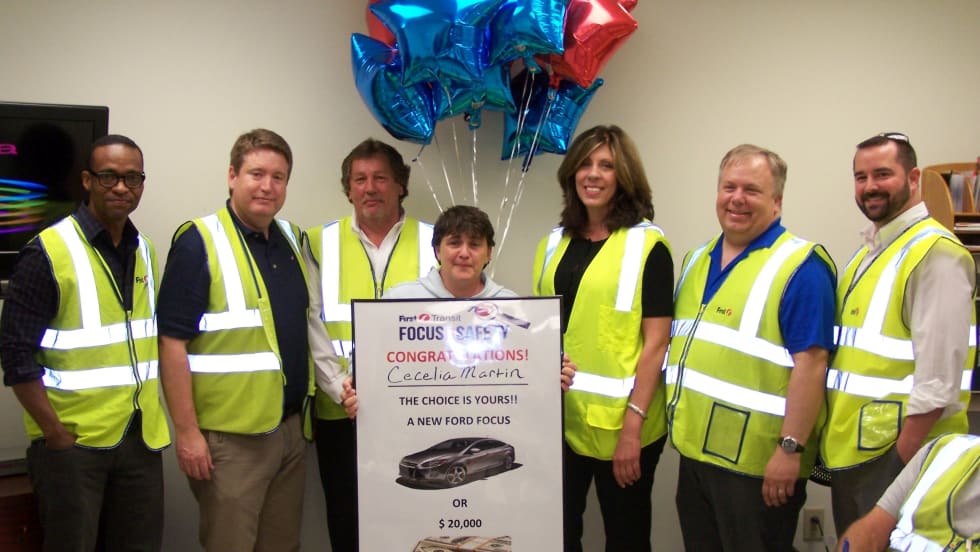
Edwards takes pride in her work and credits a lot of her and the company’s success to her management team, many of whom she has worked with for as long as 20 years.
Read More →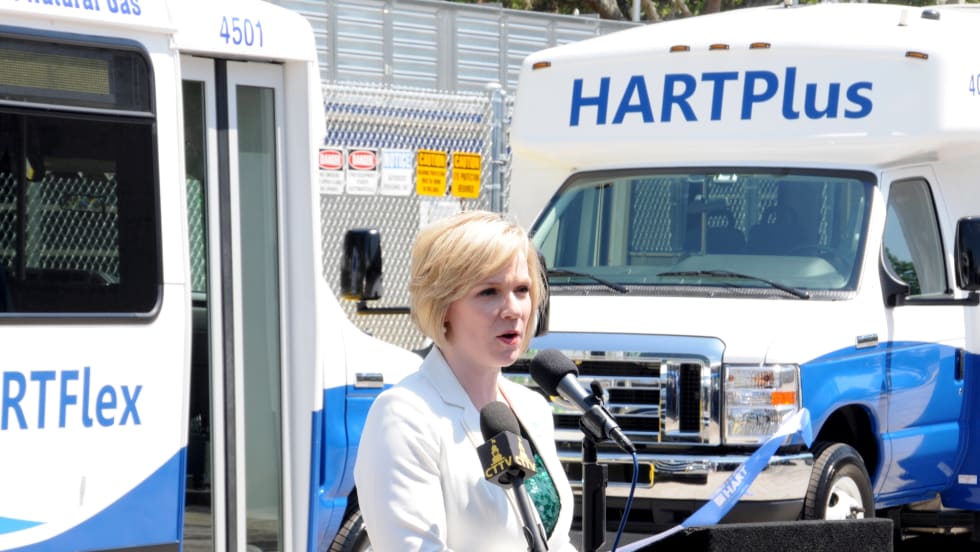
Discussing her accomplishments, Eagan says she is most proud of HART’s improved ridership, which has seen a 20% expansion in the past five years.
Read More →
Cornell says her marketing experience has helped her throughout her career.
Read More →
Birdsong says her determination and her ability to negotiate have been valuable skills.
Read More →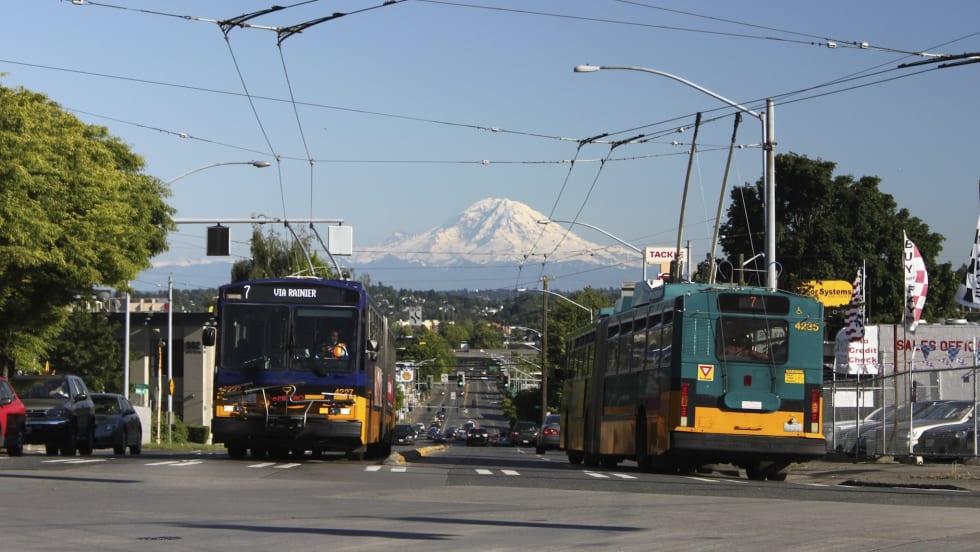
While ridership continues to grow across the industry, many transit agencies are focused on ways to grow millennial usage, including the addition of USB charging stations, Wi-Fi, and real-time bus arrival technologies, as well as targeted advertising and marketing campaigns.
Read More →
As CEO of the JTA, Nathaniel P. Ford Sr. leads an agency with an annual budget of $230 million and 850 employees, which provides transportation planning, road and bridge construction and transit services for the Northeast Florida region. Among his most recent accomplishments is the development and implementation of the Blueprint for Transportation Excellence (BTE) strategy that lays the foundation for JTA to become a regional, multimodal transportation leader in Northeast Florida.
Read More →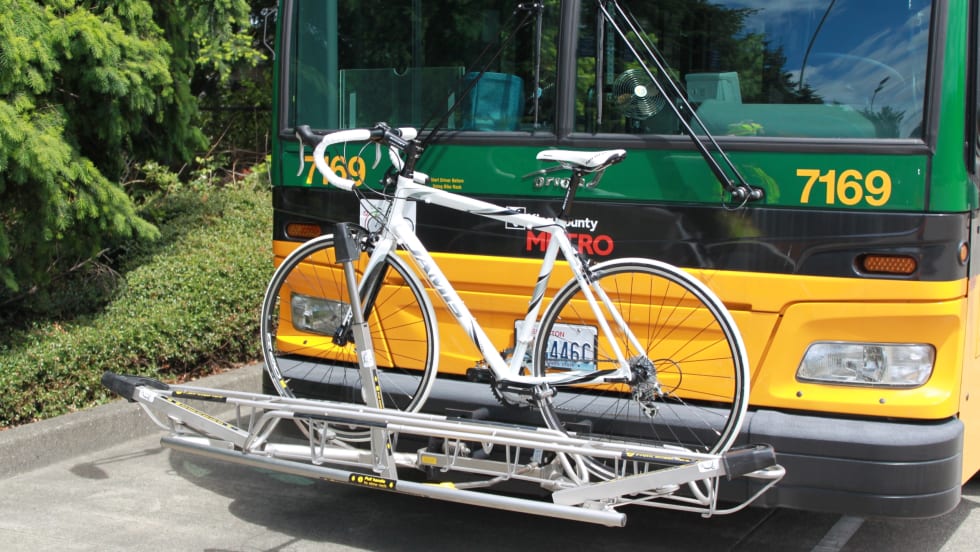
No other form of commuting to work has seen the same level of growth as biking has over the past decade. To help public transportation agencies deal with that growth, suppliers have been able to add more bike positions on racks and create furniture and storage solutions at rail stations and transit malls.
Read More →
With the industry again experiencing growth, operators are taking advantage of the opportunities their regions are presenting, while also dealing with unique challenges and finding ways to grow two very large generational markets.
Read More →
President/CEO Paul Soubry discusses revamping NABI’s Anniston, Ala. plant, the company’s focus on using multiple propulsion systems and the future of green technologies, including hydrogen fuel cells.
Read More →
Aging bus fleets are less safe, cost significantly more to operate and greatly contribute to the poor community image of many transit systems. CTAA and the Bus Coalition partnered to bring awareness to the problem and push for a solution.
Read More →