



How to Avoid Drowsy Driving
While drowsy driving doesn’t carry the same stigma as driving while intoxicated, its consequences are just as deadly. The remedy is simple — a good night’s sleep.
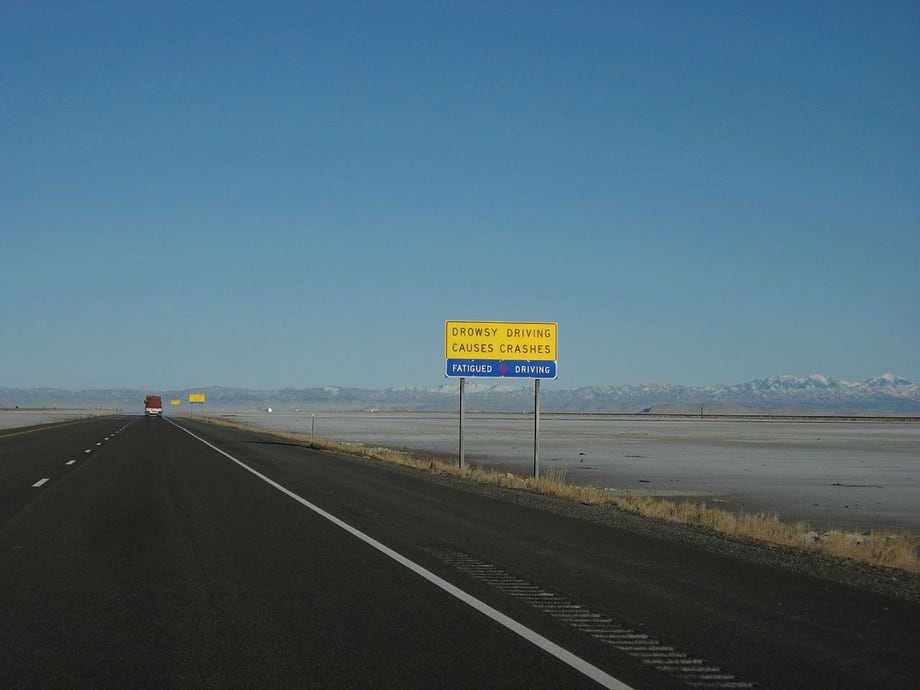
Ken Lund
Ken Lund
This story appears in METRO's BusOps supplement. To view the digital edition of the full issue, click here.
In today’s 24/7 world, foregoing an hour or two of sleep every night isn’t that uncommon. For some, going without a full eight hours of sleep is worn as a badge of honor. But, the consequences can be deadly, particularly for fleet drivers, according to Matt Uhles, R.PSGT, director, technology and operations, for the Clayton Sleep Institute (CSI) Clinics and co-director of the CSI Research Center.
"You’re more likely to die from drowsy driving than from texting while driving, distracted driving or drunk driving combined,” he said.
Underscoring his point, Uhles noted that one in two people involved in a drowsy driving accident will either be seriously injured or killed. In total, at least 4% of all fatal traffic accidents are attributable to sleepiness.
The problem is so endemic, St. Louis-based Uhles was recently told by investigators with the State of Missouri Crash Team, which investigates every fatality crash, that it has stopped investigating single-vehicle fatality accidents — an indicator of a drowsy driving — because there are “too many of them.”
There are a number of reasons why drivers might not be getting enough sleep, ranging from simply foregoing sleep to having a sleep disorder, such as sleep apnea.
“We also have a biological clock that dictates when we’re more likely to be alert and more likely to be sleeping,” Uhles noted. “Not getting enough sleep and time of day will affect sleepiness. The worst time to drive is between 4 a.m. and 6 a.m. and between 2 p.m. and 4 p.m.”
There are clear signs and symptoms associated with drowsy driving, which can include drifting from the lane, swerving or tailgating, yawning and head snaps.
Uhles said there also are more subtle signs such as “zoning out.”
“What’s going on physiologically when we zone out is that the part of our brain that is controlling our attention and focus has fallen asleep and the rest of the cortex and brain is going to catch up and the driver is going to have an accident,” he said.
Uhles noted that, while there is no excusing distracted driving (e.g., texting and driving) or drunk driving, in some cases the distracted or drunk driver has an advantage over the drowsy driver, because these drivers still have the opportunity to react.
“When you’re asleep, there is no chance to respond,” Uhles said.
Educating drivers about the benefit of a good night’s sleep is the No. 1 method fleet managers can use to combat drowsy driving.
“There’s a general lack of awareness of what sleep does for us and what happens when we don’t get enough sleep,” Uhles said. “If you’re driving and you’re drowsy, it’s only a matter of time before you’ll be running off the shoulder or drifting out of your lane.”
The National Sleep Foundation recommends that for every 100 miles or two hours of driving, the driver should take a short break.
If a driver does find that he or she is driving drowsy there are countermeasures that can be taken, Uhles said.
If driving with a partner, take frequent breaks, take turns or switch places; however, if the driver is alone, then he or she should stop driving immediately and take a nap. Drinking a cup of coffee can work, but it isn’t an instant fix.
“Caffeine does work, but the problem is you have to drink lots of it, 200 mg, which is equivalent to two, eight-ounce cups of coffee or four to six sodas, and it takes about 20 to 30 minutes to take effect,” Uhles said. “One of the tips we recommend is that if you’re driving and can’t have another person drive, pull over, get a couple cups of coffee, take a nap for 20 to 30 minutes. This should be enough to restore you and get you to your destination safely. If you’re still drowsy, stop driving and repeat.”
However, the best medicine is still getting a good night’s sleep.
This article was originally published in Automotive Fleet magazine.
More Security and Safety

Transit Agencies Highlight Safety Gains at National Summit
Leaders from 15 major transit systems shared crime-reduction results and safety initiatives while discussing the role of continued federal support.
Read More →
DART Launches Major Security, Fare Enforcement Initiative
The 90-day demonstration will deploy coordinated security teams at five light rail stations while testing controlled access and gathering data to guide future investments.
Read More →
RTD Launches NextRide App to Consolidate Trip Planning, Fares, Security Reporting
The app expands on RTD’s existing NextRide web application and allows customers to view real-time vehicle locations and service alerts, purchase and store digital fares, and access customer support.
Read More →
TAPTCO Updates OSHA Compliance Training for Transit Maintenance Operations
The revamped program addresses 26 OSHA standards for maintenance facilities, with TAPTCO pointing to training, documentation, and everyday shop hazards as continuing challenges for transit operations.
Read More →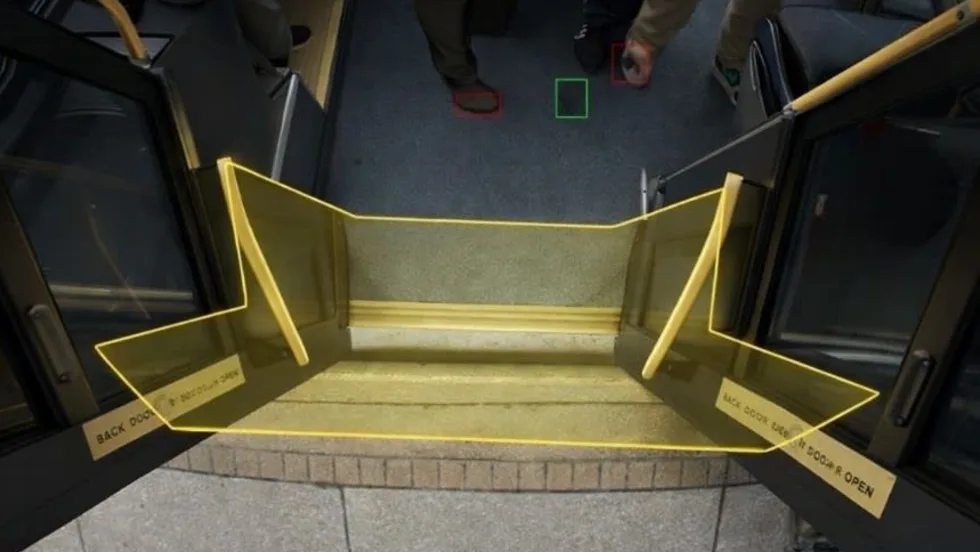
How VaporVision Adds Value to Transit Door Systems
Wabtec engineers explain how the system improves doorway detection, strengthens diagnostics and gives transit agencies and OEMs greater operating flexibility.
Read More →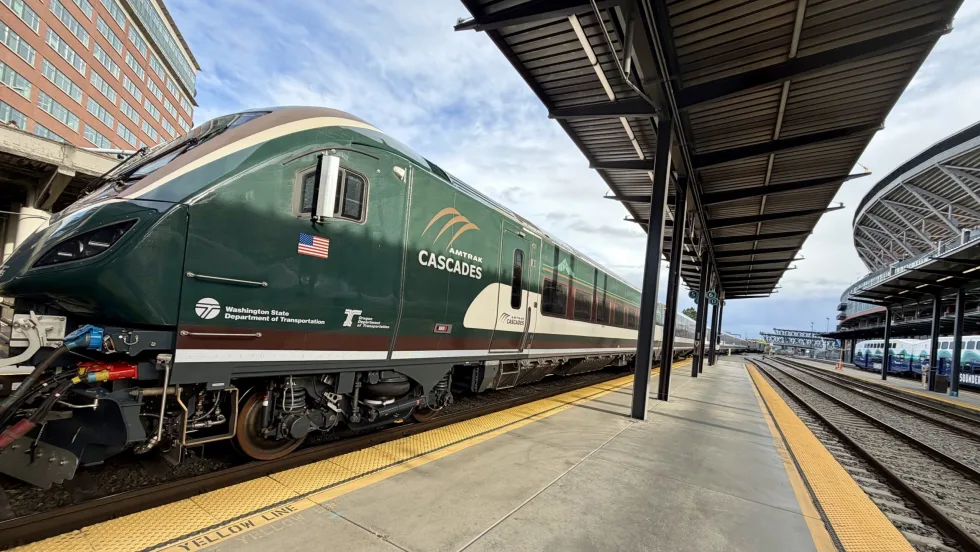
FRA Announces $5.3B in Rail Investments, Including $2B for Amtrak
Funding will support grade-crossing improvements, infrastructure upgrades, and new Amtrak equipment in 23 states.
Read More →
Chicago, Maryland Expand Non-Law-Enforcement Safety, Rider Support
The CTA and MTA are launching new programs aimed at de-escalation, crisis response, rider assistance, and greater transparency.
Read More →
LA Metro, City of West Hollywood, and Partners Advance Smarter Bus Lane Enforcement
The award-winning partnership combines AI-powered detection with human oversight to improve bus reliability, accessibility, and enforcement efficiency.
Read More →
LA Metro Reports 57% Decline in Homelessness on Transit System Since 2024
The agency's latest homelessness count offers new data on how care-based services and cross-sector partnerships can complement traditional transit security strategies.
Read More →
FTA Launches 'Transit Moves America' Dashboard to Highlight Agency Safety and Performance
The online dashboard transforms National Transit Database information into a public-facing resource that allows users to compare transit agencies on key operational and safety metrics.
Read More →