
Staff
Editorial
Our team of enterprising editors bring years of experience covering the fleet industry. We offer a deep understanding of trends and the ever-evolving landscapes we cover in fleet, trucking, and transportation.


 MENU
 SEARCH
Editorial
Our team of enterprising editors bring years of experience covering the fleet industry. We offer a deep understanding of trends and the ever-evolving landscapes we cover in fleet, trucking, and transportation.
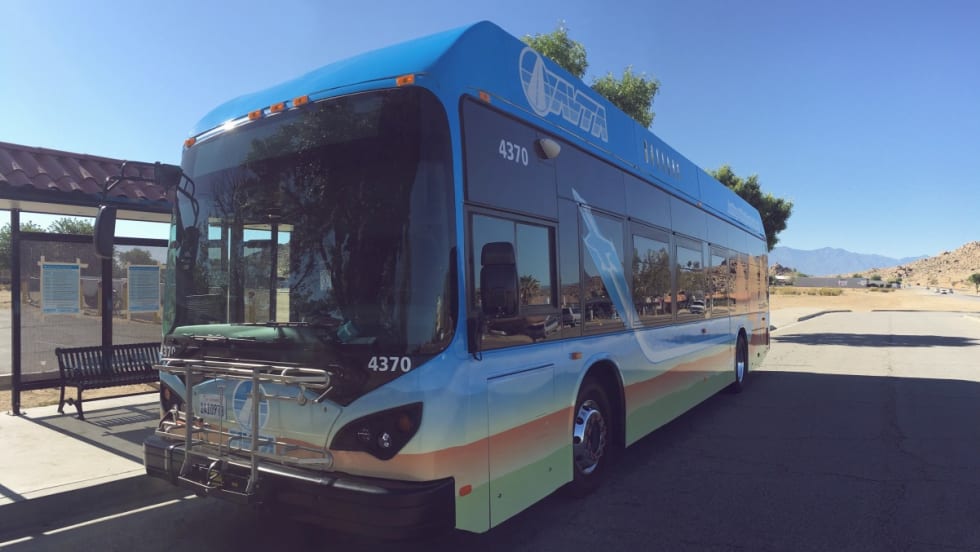
By using groundbreaking zero-emission battery-electric bus technology and wireless inductive charging technology, AVTA's innovative bus conversion helped pioneer a new vision for what a 21st century transit agency can accomplish.
The proposed spending budget reflects an 8.1% increase (or $161.1 million) over the previous year’s budget and supports CTA’s ongoing workforce initiatives for hiring, training, and retaining key operations personnel to provide service levels that exceed 2019/pre-pandemic levels.
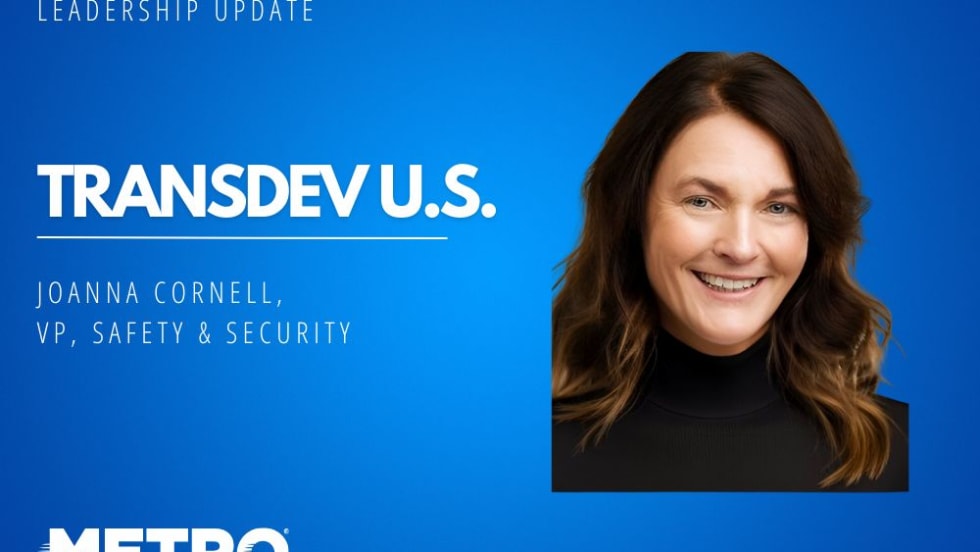
With more than 15 years of experience in the safety and risk management industry, Joanna Cornell brings a wealth of expertise in implementing advanced safety technologies and driving risk reduction initiatives across large-scale transportation operations.
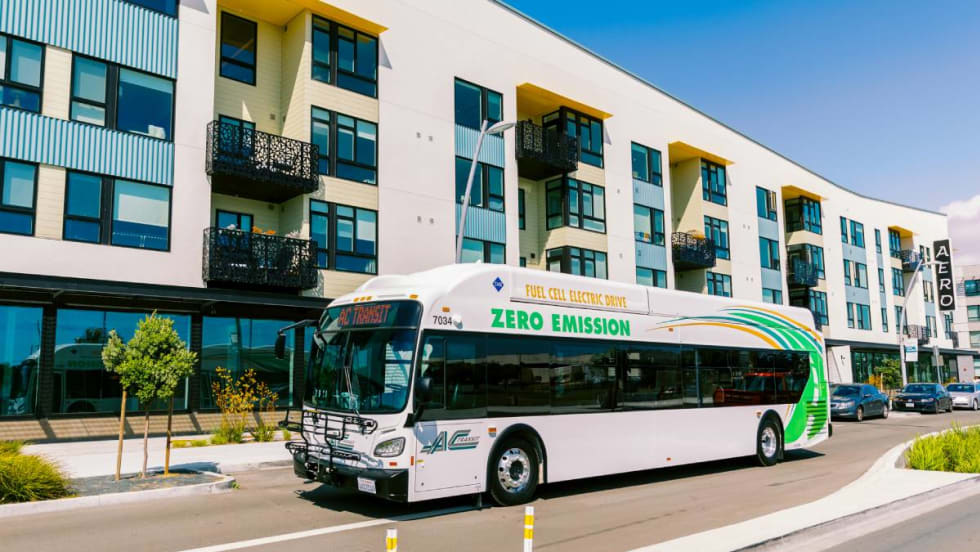
AC Transit hopes to maintain service levels at 85% of pre-pandemic levels under new plan.
Launched earlier this year, Innovation Studio was designed to allow CTA to pilot solutions and new technologies for some of CTA’s biggest challenges. This year, three problem statements were released to solicit proposals from the private sector.
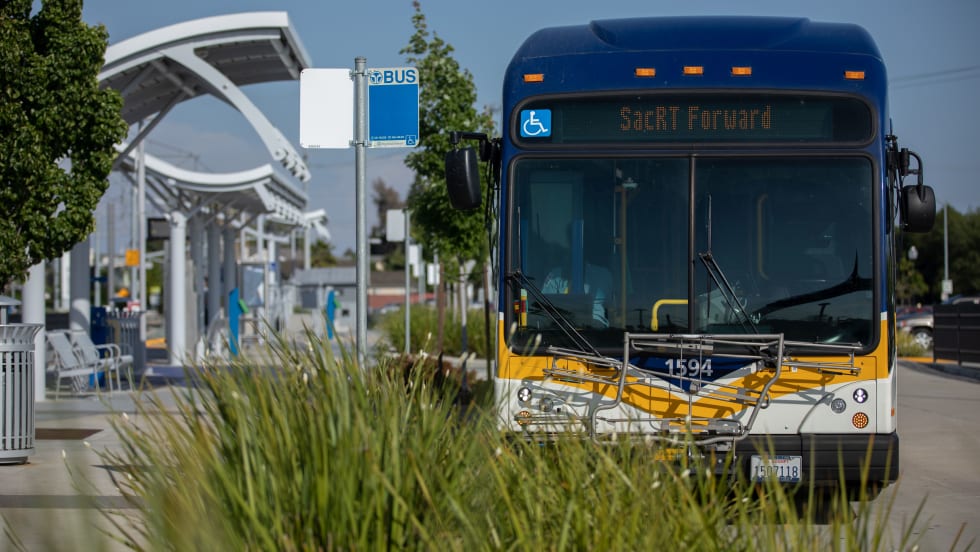
The effort is part of California's commitment to creating safer and more inclusive public transportation systems.
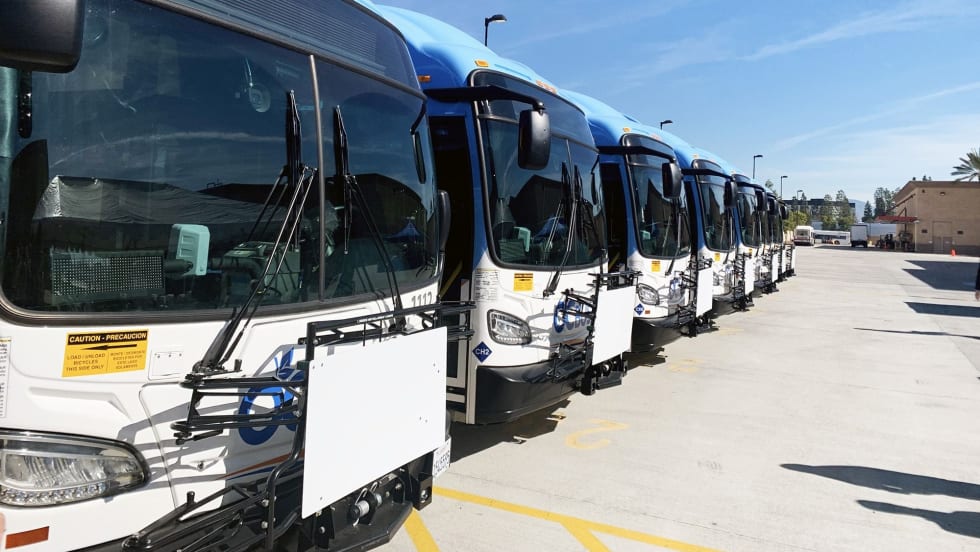
The funding brings the state’s total investment in these projects to more than $1 billion in the last decade.
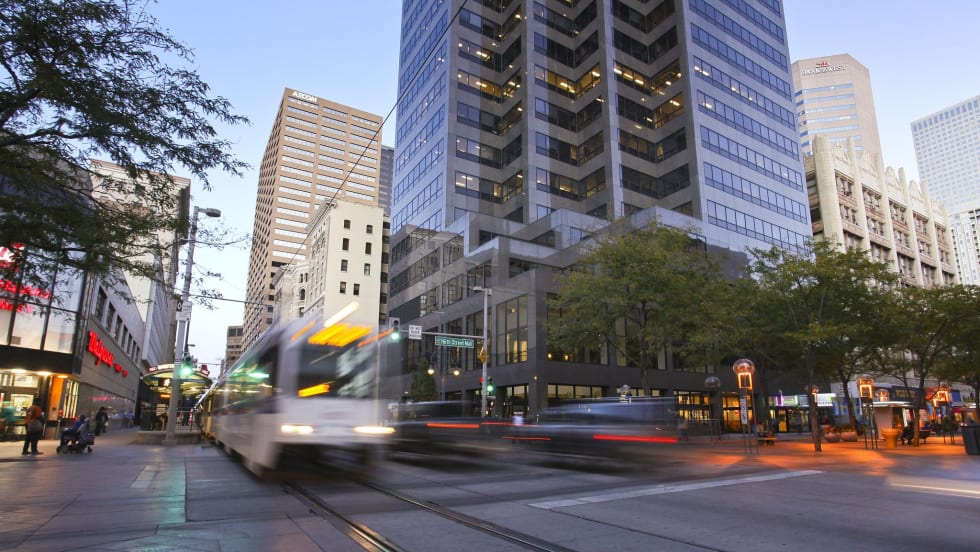
In August, customers were asked to complete the intercept survey and provide their feedback while riding RTD’s buses and trains, and the results were shared during the RTD board’s Performance Committee meeting.
The Mineta Transportation Institute's findings in this project are from a literature review of current sources and informal interviews with stakeholders of the three economic sectors of interest (agriculture, tech, and healthcare).
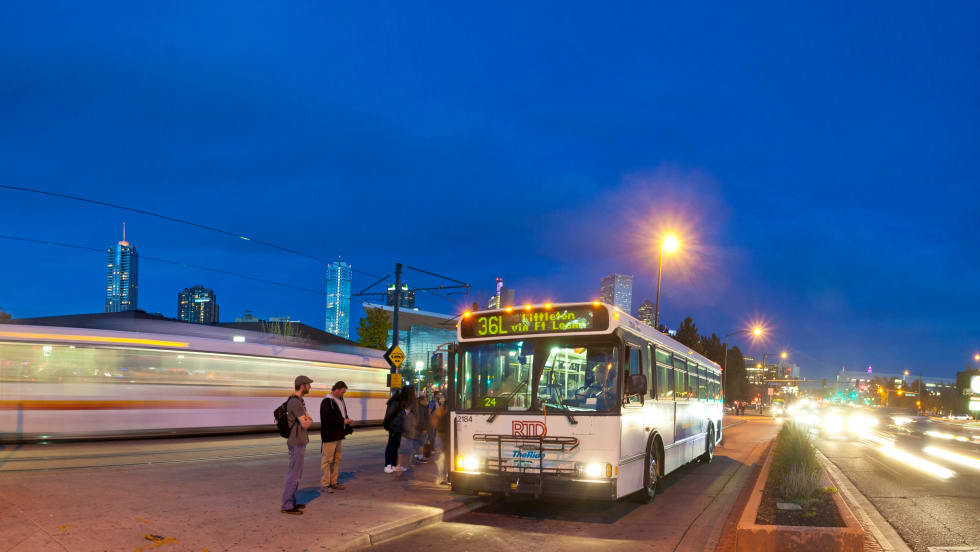
Funded by the Bipartisan Infrastructure Law, the East Colfax Avenue BRT will provide faster, more frequent transit for residents and commuters between downtown Denver and the Colfax light rail station in Aurora, Colo.