



Report Examines Other Sectors to Solve Transportation Construction Workforce Shortage
The Mineta Transportation Institute's findings in this project are from a literature review of current sources and informal interviews with stakeholders of the three economic sectors of interest (agriculture, tech, and healthcare).

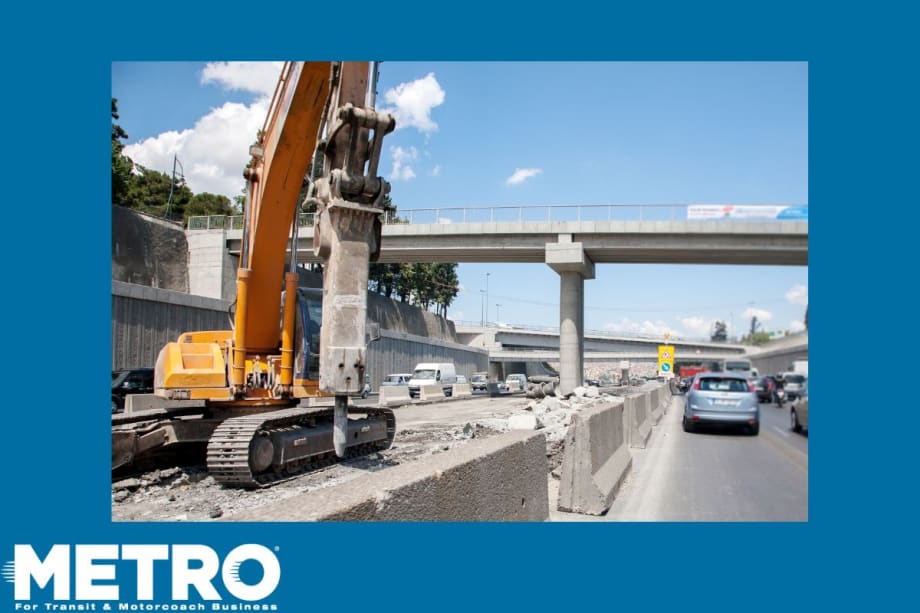
The transportation construction workforce shortage has become an even more acute problem in recent years because of pandemic-generated labor disruptions and the need for workers to implement projects funded by the IIJA.
Photo: Canva
New Mineta Transportation Institute (MTI) research, “Addressing Transportation Construction Workforce Needs Through Innovative Policies and Practices,” explores insights from methods to reduce labor shortages in the agricultural, technology, and healthcare economic sectors and how they can be applied to transportation construction.
The nation is facing a critical shortage of construction workers, and that shortage becomes increasingly apparent as more funding becomes available through the Infrastructure Investment and Jobs Act (IIJA).
The findings in this project are from a literature review of current sources and informal interviews with stakeholders of the three economic sectors of interest (agriculture, tech, and healthcare).
Report Points
The major finding from MTI’s report is there simply are not enough workers.
The research team investigated causes and solutions of labor shortages in each of the economic sectors, with a particular focus on the impact of changes in policies and processes to understand their potential for transportation.
Looking to comparative economic sectors that are facing or have faced similar labor shortages, the study found potential solutions that address issues related to three main categories:
Raising awareness of an increased demand for particular skills and positions.
Recruiting workers with the proper skills.
Retaining quality workers so that positions remain filled.
Solutions for Construction Sector
The solutions most applicable to highway construction come from healthcare. Major recommendations include:
Highway construction skills can be taught at trade schools and training programs led by experienced workers.
Subsidized incentives for instructors for trade schools and training programs can be implemented so that an instructor shortage does not develop as it has in healthcare.
Incentive programs for construction workers themselves could also help address labor shortages.
“Each industry has unique challenges and constraints. Healthcare is primarily focused on increasing recruitment because that would also help them solve their retention issues. Agriculture is focused on retention and recruitment since they cannot find a way to make farm work attractive to the public, and their incumbent workers are starting to retire. Technology is a large and diverse economic sector and has a broad set of issues, but because it requires the least manual labor amongst the three, many of the solutions are not as applicable to highway construction,” explained the study’s authors.
Implementing Strategies
Many construction firms are already implementing solutions, such as raising pay rates (86%), providing incentives and bonuses (45%), and enhancing benefits packages (24%).
Additional strategies may include offering reduced-cost training programs in exchange for a commitment to work in areas with shortages or at specific companies.
The transportation construction workforce shortage has become an even more acute problem in recent years because of pandemic-generated labor disruptions and the need for workers to implement projects funded by the IIJA.
The IIJA will invest $4.9 billion in the state for highway-related infrastructure projects, but these projects cannot happen without a capable, committed workforce.
More Management

From Surviving to Thriving: Building Stronger Transportation Organizations
Bus Business Consultants founder Brian Dickson shares lessons on leadership, organizational health, and creating options for long-term success in a changing transportation industry.
Read More →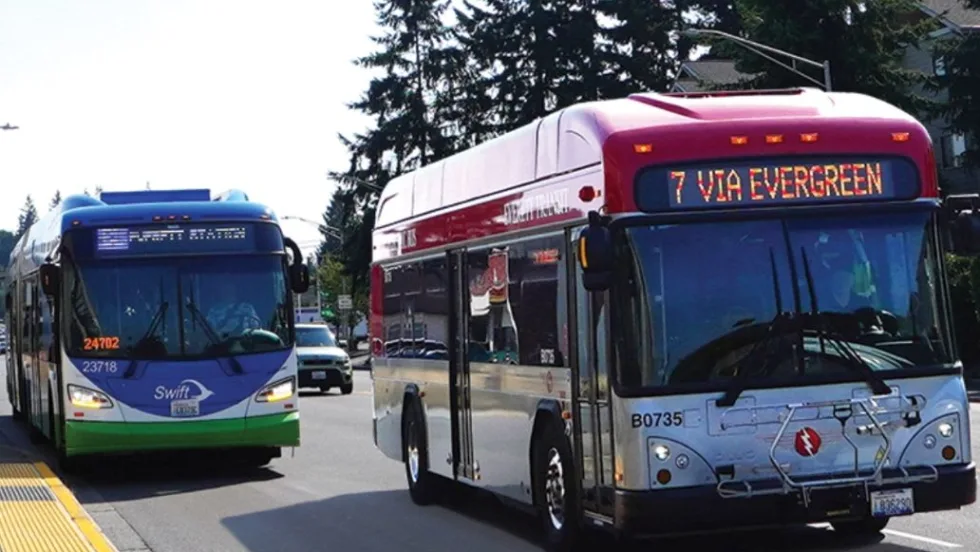
Everett Transit, Community Transit Outline Consolidation Agreement
The proposed agreement calls for a 50% increase in bus service in Everett, a new microtransit zone, continued paratransit service, and the transfer of Everett Transit operations to Community Transit.
Read More →
Strada360’s Steve Lassey on Turning Transit Data Into Better Decisions
From breaking down data silos to preparing for AI, Strada360 CEO Steve Lassey discusses how transit agencies can use technology to improve operations, customer information, and long-term decision-making.
Read More →
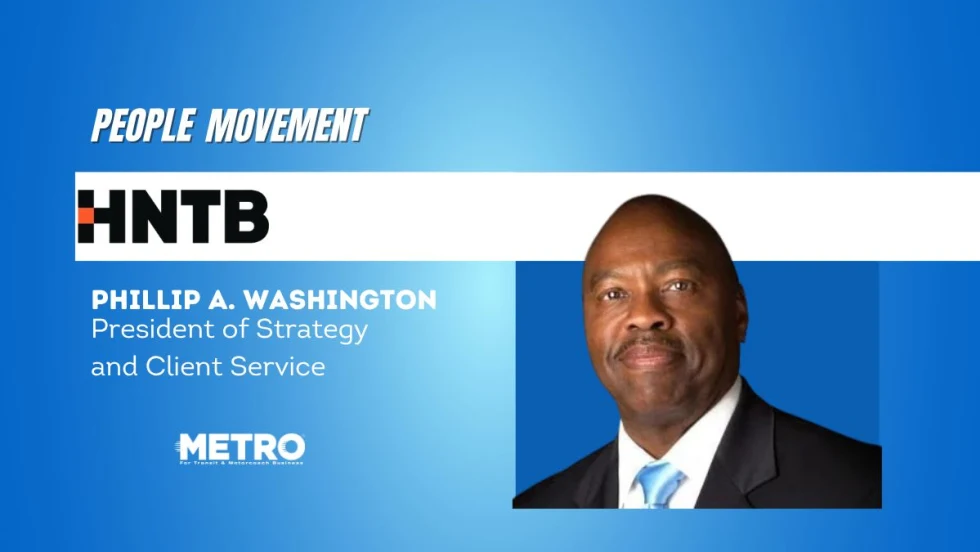
People Movement: Phil Washington Joins HNTB, Denver RTD Launches CEO Search, and More
In this edition, we also spotlight recent personnel moves at STV, the Eno Center for Transportation, and more, highlighting the people taking on new roles across the transportation industry.
Read More →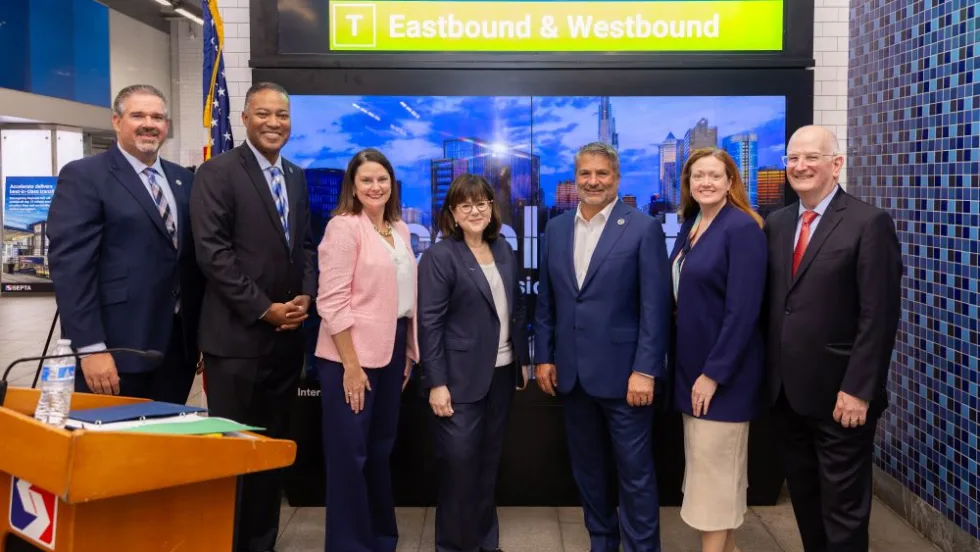
SEPTA Details Accelerate Vision for Transit System
The plan outlines investments in trolley modernization, new Metro and Regional Rail vehicles, accessible stations, and more frequent bus and rail service.
Read More →
FTA Ends Direct Oversight of MBTA Safety Actions
The federal agency closed its remaining special directive to the Massachusetts Department of Public Utilities following a safety review that began in 2022.
Read More →
Report: Transit Bus Manufacturing Supports 34,100 Jobs, $5.1B in GDP
The “Buses Mean Business” report examines the transit bus manufacturing industry’s economic footprint, supply chain, and rising demand for vehicle replacements.
Read More →
LIT Marks 10-Year Milestone at Annual Summit
Hosted by the COTA from September 10 to 13, the Summit carried the theme “Celebrating 10 Years of Excellence, Leadership, and Impact,” with every part of the program honoring the people, agencies, and partners who built LIT over its first decade.
Read More →
People Movement: Dan Dipert Coaches Adds Third-Generation Leader, Keolis Names New Valley Metro VP/GM, and More
In this edition, we also cover recent appointments and announcements at the Wabtec, SilverRide, HNTB, and more, showcasing the individuals helping to shape the future of transportation.
Read More →
METRO Opens Submissions for 2026 Motorcoach Awards
Nominations are now being accepted for METRO Magazine’s Operator of the Year and Innovative Operator of the Year awards.
Read More →