



San Antonio transit agency turns to advanced vehicles to protect air quality
San Antonio is among the fastest-growing cities in the country. According to the U.S. Census Bureau, San Antonio was ranked fourth in population growth from July 1, 2011 to July 1, 2012. An expanding population can represent a positive shift for a city; however, every community still faces challenges when managing rapid growth. For San Antonio, one significant challenge has been a marked increase in the number of vehicles on the road.

San Antonio is among the fastest-growing cities in the country. According to the U.S. Census Bureau, San Antonio was ranked fourth in population growth from July 1, 2011 to July 1, 2012. An expanding population can represent a positive shift for a city; however, every community still faces challenges when managing rapid growth. For San Antonio, one significant challenge has been a marked increase in the number of vehicles on the road.
A major consequence of increased traffic is increased emissions that contribute to air pollution, including ground-level ozone. This common pollutant poses risks to human health, the ecosystem, and the economy. With San Antonio experiencing high concentrations of ground-level ozone during the summer months (the city’s ozone season), VIA Metropolitan Transit, the city’s public transportation agency, began looking at ways to green the community through the public transportation network.
For more than 30 years, VIA Metropolitan Transit has been a premier public transit agency, serving 1,226 square miles of Bexar County, including San Antonio, 12 other incorporated cities and the unincorporated areas of Bexar County. VIA offers its riders a variety of services, including daily bus service, bus rapid transit (BRT) service, paratransit service for riders with disabilities, vanpool service for commuters, and special event park & ride service.
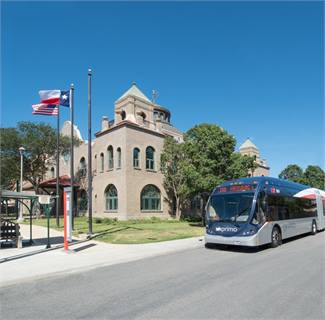
In late 2010, VIA added 16 compressed natural gas 60-foot articulated buses to its BRT route, Primo.
The VIA fleet is made up of more than 500 vehicles, operates more than 2.2 million hours, and drives more than 33.9 million vehicle miles annually to serve approximately 45.3 million passengers each year. The region benefits from these services because they provide essential transportation options and promote alternatives to single-occupant vehicle travel, an important strategy for air quality improvement.
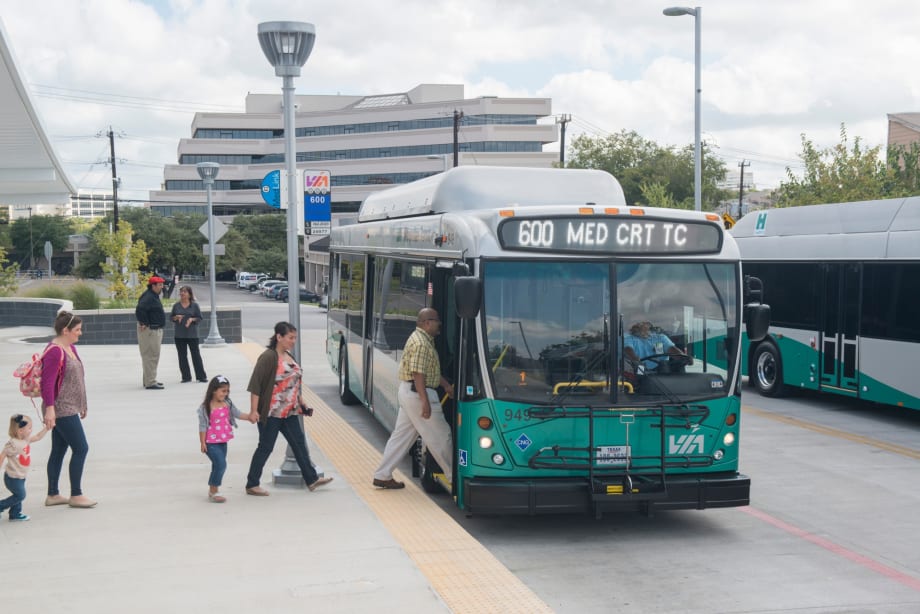
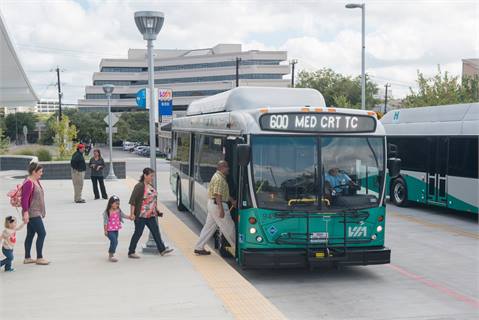
In late 2010, VIA added 16 compressed natural gas (CNG) 60-foot articulated buses to its BRT route, called Primo. In late 2013, the agency added three more CNG buses to its Primo fleet. The Primo route services destinations between and within downtown San Antonio and the South Texas Medical Center.
VIA has adopted other alternative fuels and advanced vehicle technologies as well. The agency replaced older, gasoline-powered paratransit vans with ones that run on propane and added three all-electric buses to its downtown route. Thirty diesel-electric hybrid buses operate on express routes. VIA is aggressively analyzing fuel types and associated emissions in pursuit of its on-going commitment to air quality. The fleet makeup already reflects this commitment, but the agency has plans for continued improvements, including the replacement of more diesel vehicles with CNG vehicles within the next five years.
In case you missed it...
Read our METRO blog, "A true 'hub of hope' for those in need."
More Blog Posts
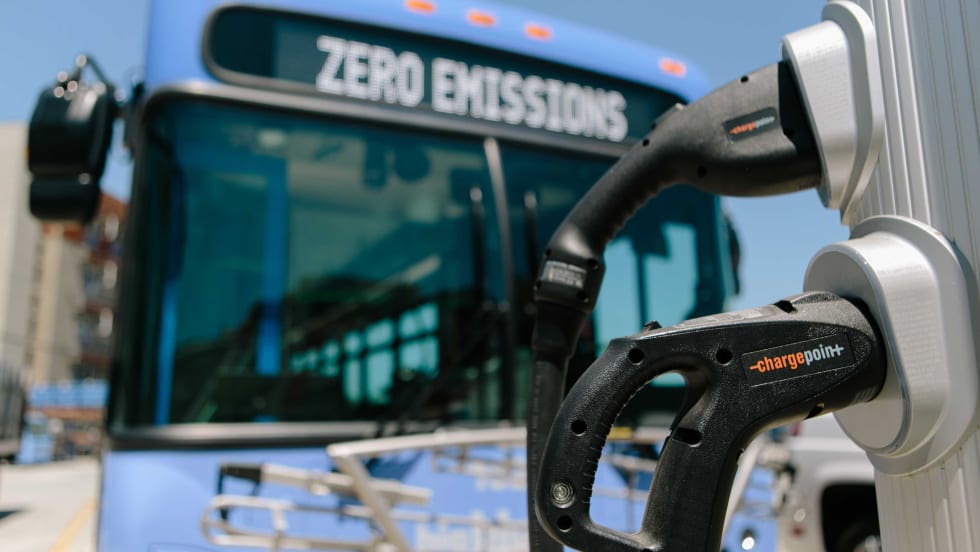
Electrifying transportation: A holistic approach
Clean the grid, electrify transportation, reduce miles-traveled, and ensure access for all.
Read More →
Sustainable transit is about much more than saving the environment
Sustainable transit continues to be a hot topic among city leaders and transit officials, but more often than not, equitability is left out of the conversation.
Read More →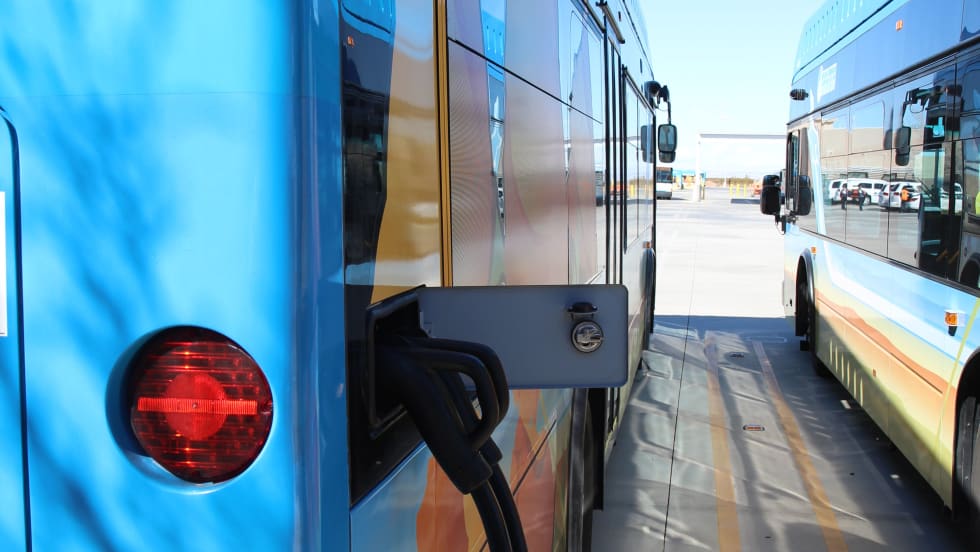
Electric utilities can accelerate electric bus and truck deployment
Electric utilities are an important early investor in charging programs for all EVs, including trucks and buses for several reasons.
Read More →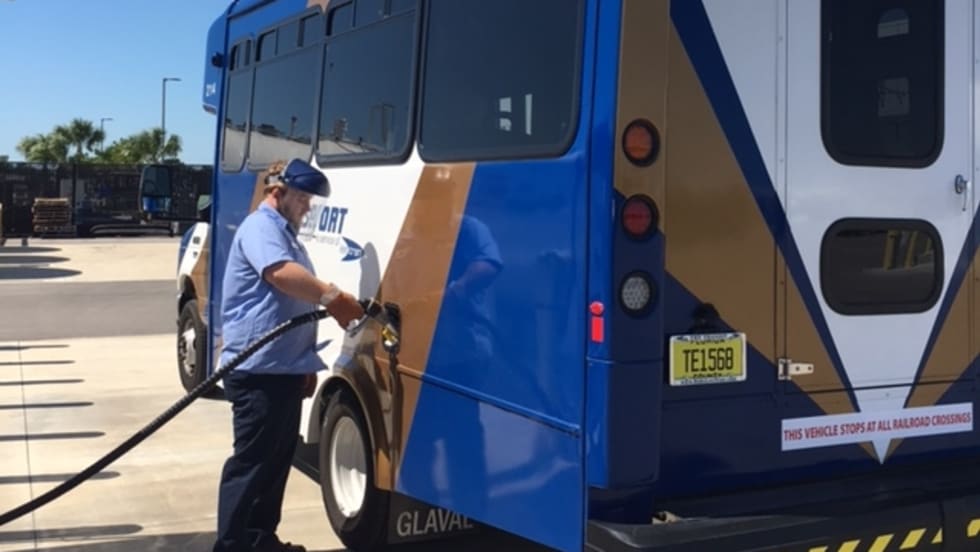
Transit Agencies Could Benefit from VW Funding
Volkswagen was found guilty and agreed to pay up to $14.7 billion to settle allegations of cheating emissions. As part of the lawsuit, Volkswagen is required to establish and fund an Environmental Mitigation Trust, known as EMT. Over the next 10 years, $2.9 billion from the VW settlement will fund environmental mitigation projects that reduce emissions of NOx.
Read More →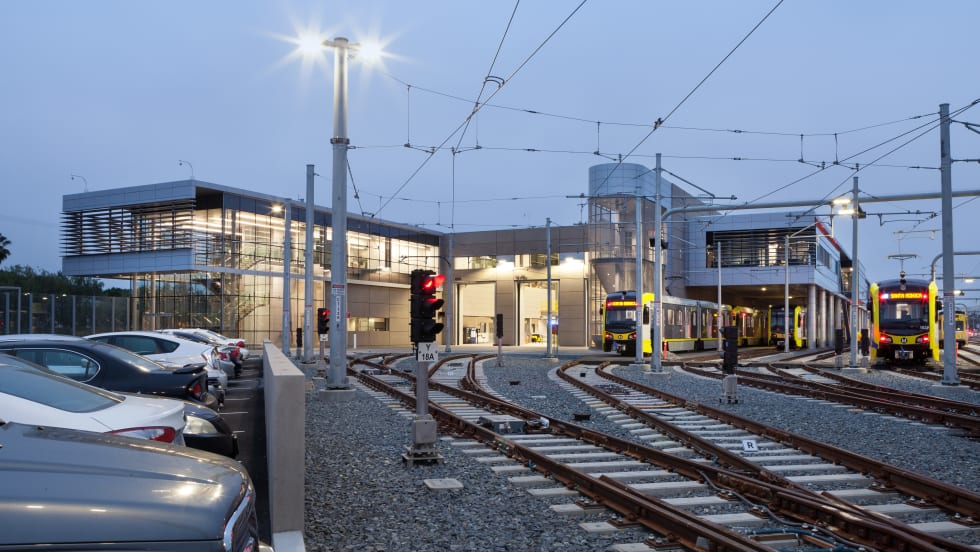
How to pick the right sustainability ratings certification for your transit agency
Rating systems have become the currency of sustainability. The right sustainability ratings system provides an important third-party verification of your agency’s commitment to creating facilities that reduce carbon emissions, save water, create healthier work environments for your employees and have a positive impact on the communities they serve.
Read More →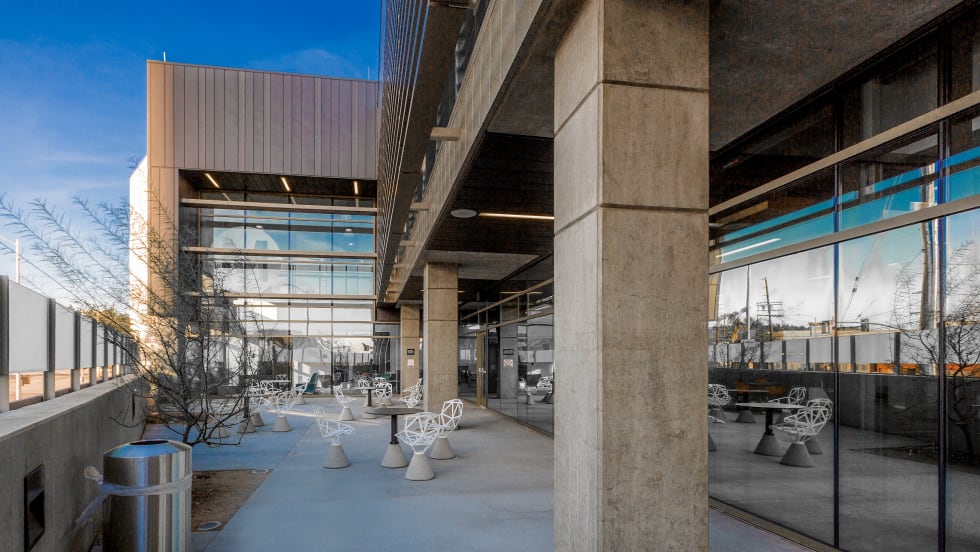
5 Transit Facility Design Elements to Boost Employee Health, Well-Being
Everyone needs to take a mental and physical break at some point in the workday, whether they’ve been concentrating on a computer screen, the road, or the underside of a bus, truck or train car. The tricky part for transit agencies is that each of these activities takes place in different surroundings, lighting conditions, room temperature and noise levels. With that in mind, consider the following factors in your facility design.
Read More →
How Lighting Design Can Impact Transportation's Shift Workers
Shifts are long and varying, and facilities are often inadequate for transit employees to truly recharge and stay sharp on the job. But it doesn’t have to be that way. The quality of the environment within facilities can be designed to support shift workers and those with jobs that don’t follow traditional 9-to-5 schedules. Two key elements that can be utilized to support vehicle operator health; creating spaces with adaptability for varied activities and quality lighting that supports the adaptability of the space.
Read More →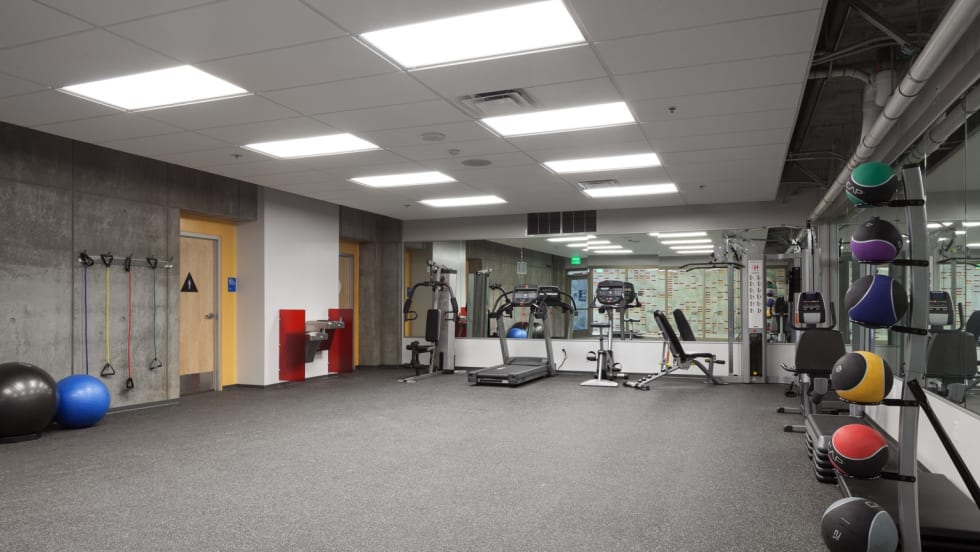
How Transit Facility Design Empowers Employees, Supports Active Lifestyles
Most transit facilities have a break room for operators to use between shifts — typically an artificially lit space with a TV, vending machines, and cafeteria-style tables and chairs. The trouble is, every person has a different way of relaxing. Besides exposure to daylight and nature, key components of wellbeing are social cohesion and a sense of empowerment. The key here then is to empower employees to choose the best way to relieve their own stress around shifts.
Read More →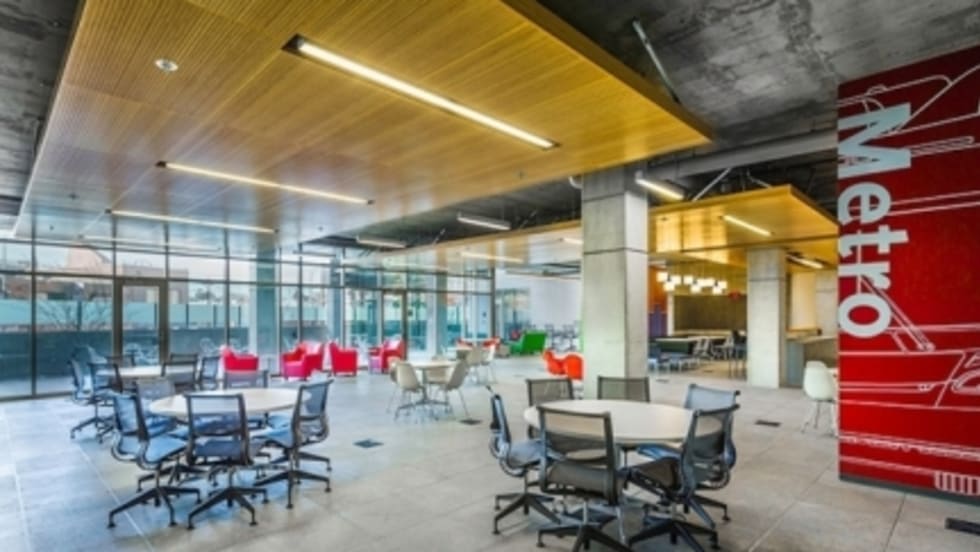
The Benefits of Taking a Leadership Role in Transit Workplace Well-Being
A health and wellness revolution is underway in America. Concurrently, there is a growing public health initiative to promote safer, more accessible recreation facilities and active transit options. Transit agencies are uniquely positioned in the overlap of these two movements. By promoting health and well-being, agencies have an opportunity to show leadership and innovation in a truly holistic approach to total worker health, while benefiting workforce productivity and happiness.
Read More →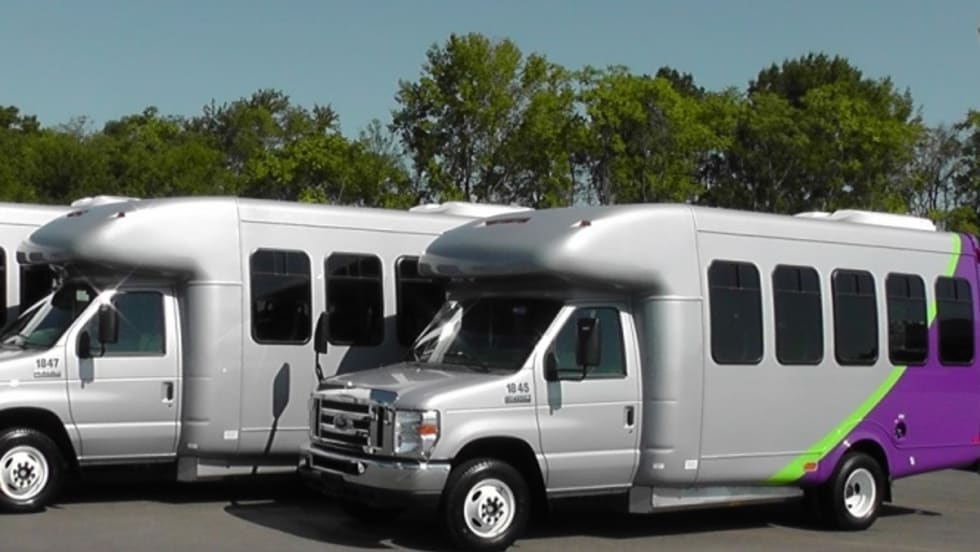
Va. transit fleet kicks off major CNG transition
GRTC is a member of the Virginia Clean Cities (VCC) coalition, which over the years has hosted a variety of workshops, webinars and other training opportunities for fleets interested in transitioning to CNG. Another coalition member — the City of Richmond — inaugurated its fleet of CNG refuse haulers in 2011, which set the stage for GRTC’s transition. View the YouTube video to see how VCC helped the city implement its CNG fleet.
Read More →