Articles
Right-Sizing Rural Transit: Lessons from North Grenville’s On-Demand Model
A small municipality shows how flexible service, rider needs, and public accountability can expand mobility with limited resources.
Read More →

 MENU
 SEARCH
A small municipality shows how flexible service, rider needs, and public accountability can expand mobility with limited resources.
Read More →
The latest release of MV Pathways includes an updated Pathway Review tablet application and enhanced integration with the United States Geological Survey (USGS) digital elevation models and General Transit Feed Specification (GTFS).
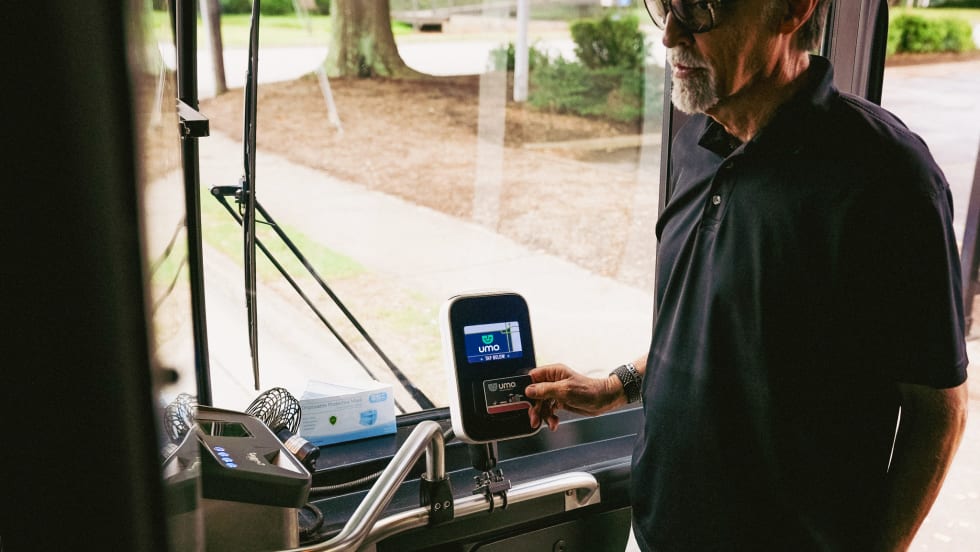
Community members, commuters, and visitors who prefer to use their phones for transit can download the Umo Mobility app in the Google Play Store and the Apple App Store
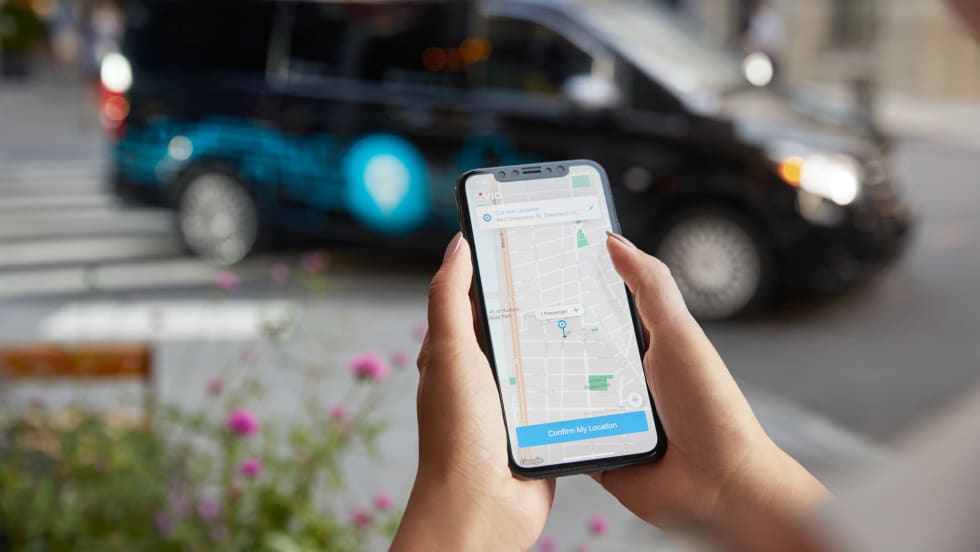
For the first time, planners will be able to model on-demand transit operating costs, service-area demographics, and service quality scenarios before implementation.
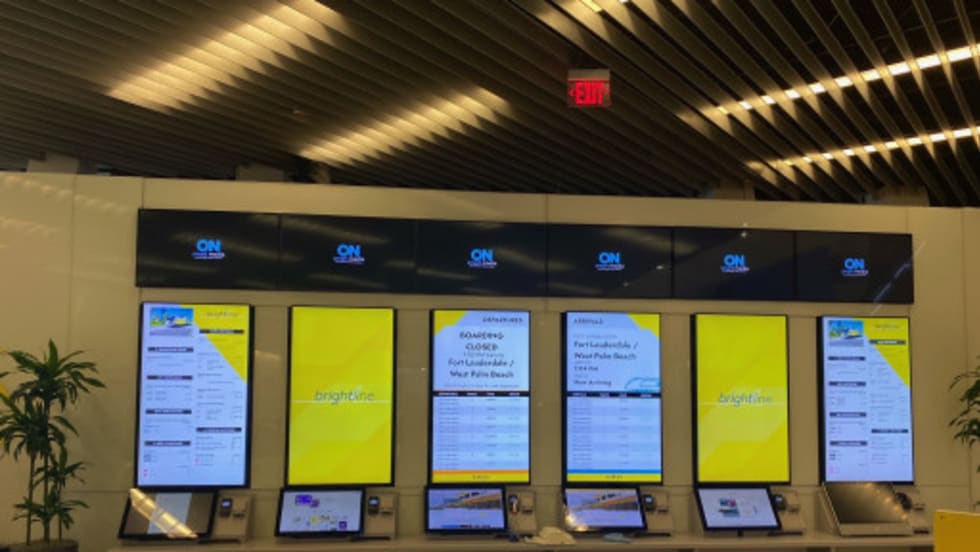
Each station will serve as a transit hub with TransitScreen as the solution that communicates that hub's connectedness to other transit modes for users and travelers.

For the last three years, Miami has hosted seven scooter operators in its Scooter Pilot Program, with 2,300-plus scooters and more than 100 designated parking corrals in City District 2.

INIT will showcase solutions that help agencies meet their current and future operational challenges at the APTA TRANSform Conference & Expo.
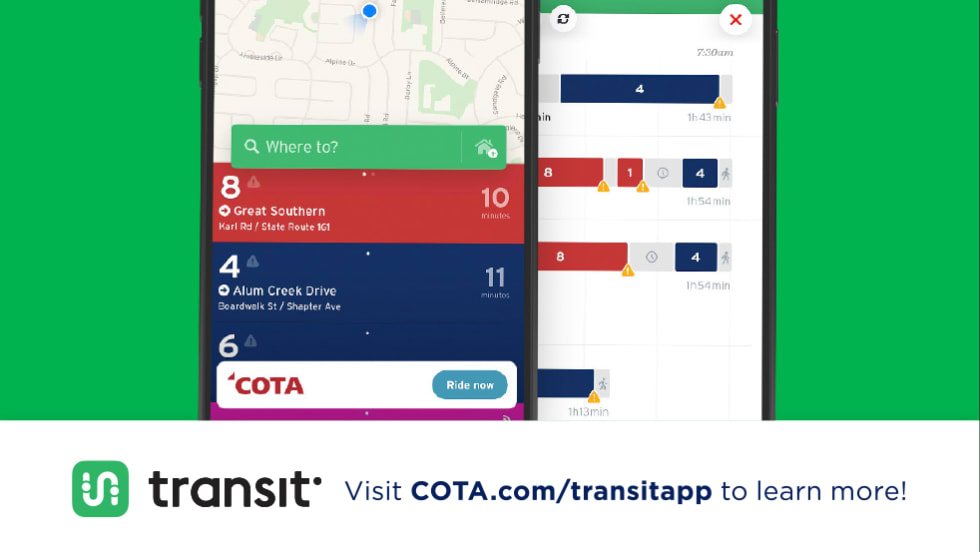
The goal of the new system is to reduce barriers to transit access through fare affordability, increased access via retail options for purchasing and adding funds, and a seamless payment experience with the Transit app and COTA smart cards.
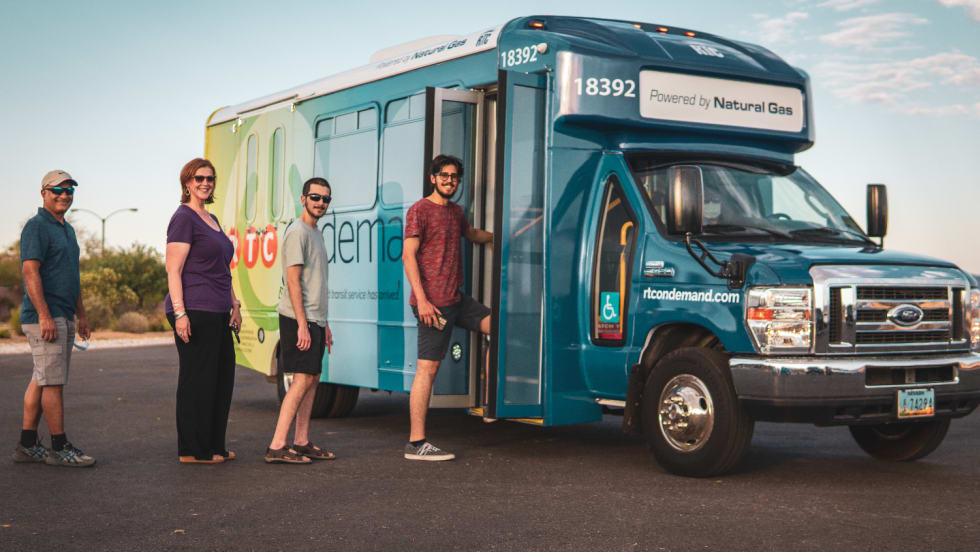
RTC-OnDemand offers rides at the customer’s request, instead of requiring riders to plan their trip around a bus schedule.
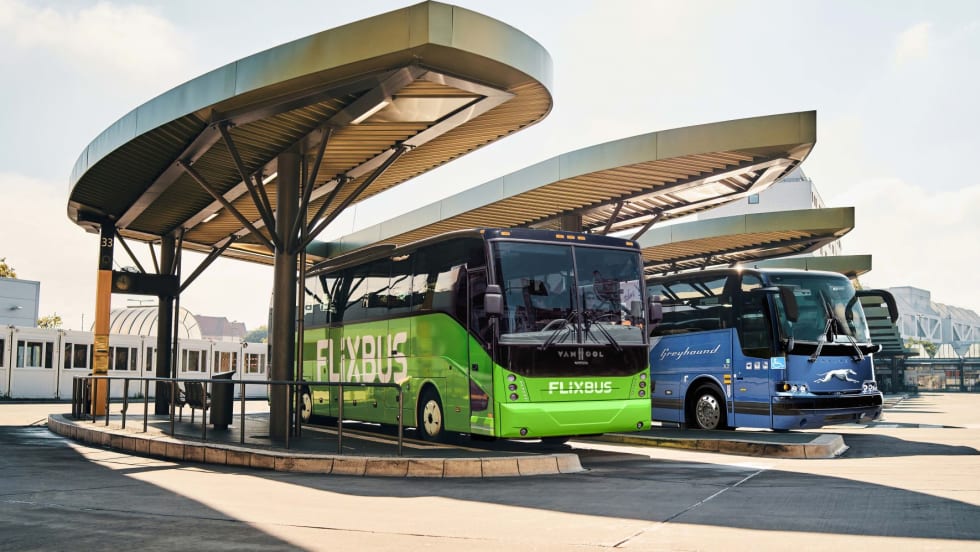
The purchase brings together FlixBus’ innovative global technology and shared mobility expertise with Greyhound’s iconic nationwide presence and experience, creating a company that will be better able to service the needs of intercity bus travelers in the U.S.

This data comes from independent research for TFL based on a representative sample of 3,500 Londoners.