



Everett Transit, Community Transit Outline Consolidation Agreement
The proposed agreement calls for a 50% increase in bus service in Everett, a new microtransit zone, continued paratransit service, and the transfer of Everett Transit operations to Community Transit.

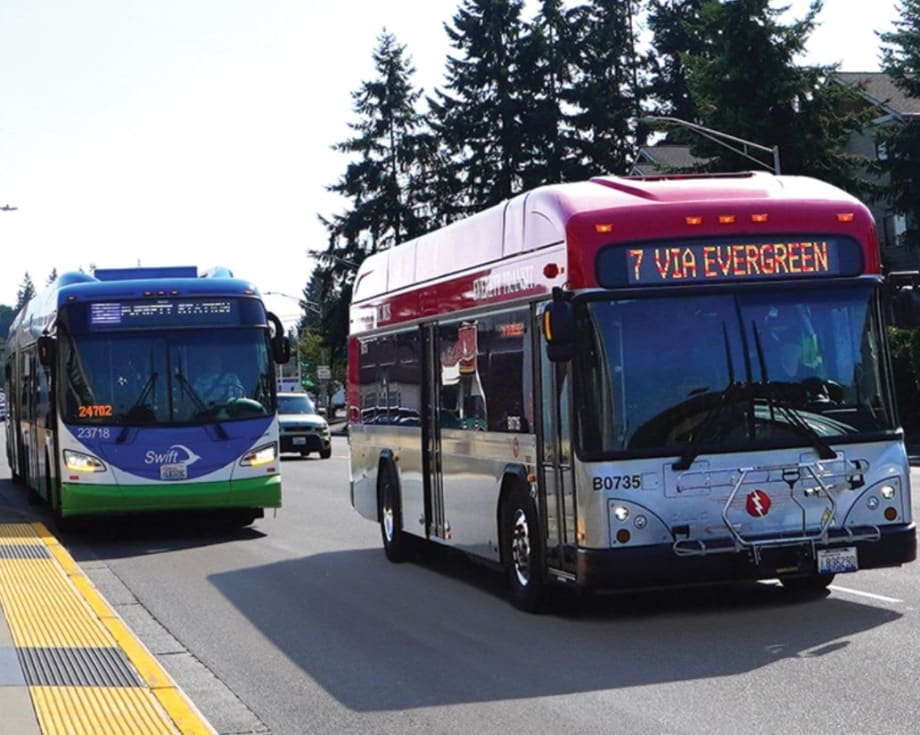
The City of Everett and Community Transit gathered feedback through stakeholder discussions, staff meetings, an open house attended by nearly 100 people, and 217 online and written comments.
Community Transit
- The agreement proposes a 50% increase in bus service within Everett.
- A new microtransit zone and continued paratransit service are included in the plan.
- Everett Transit operations are set to be transferred to Community Transit.
*Summarized by AI
Following a period of public input and negotiations, Everett Mayor Cassie Franklin and Community Transit CEO Ric Ilgenfritz announced details of a proposed agreement to consolidate transit service in Snohomish County, Washington.
Under the proposed Interlocal Agreement (ILA), Everett Transit would be consolidated with Community Transit, with plans to increase bus service in Everett by 50% and reduce the need for transfers for riders traveling between Everett and other destinations across the county and region.
The agreement also includes provisions to retain existing paratransit eligibility and service for Everett customers and preserve employment for Everett Transit employees.
Public hearings on the agreement and potential annexation are expected to be held by the Everett City Council and Community Transit Board of Directors before final consideration.
“Now is the time to build one seamless transit system for Everett and Snohomish County,” said Everett Mayor Cassie Franklin. “Sound Transit light rail is transforming how we connect to destinations around Puget Sound. With six more stations on their way, we must seize this pivotal moment.”
“We’ve reached an agreement based on public input that improves transportation for all Snohomish County residents,” added Community Transit CEO Ric Ilgenfritz. “If this plan is approved, we will get started right away making public transportation easier and more convenient for people to get where they want to go county-wide.”
ILA Details
The proposed agreement was developed following input from Everett bus and paratransit riders, employees, and other members of the public. The City of Everett and Community Transit gathered feedback through stakeholder discussions, staff meetings, an open house attended by nearly 100 people, and 217 online and written comments.
According to officials, the feedback helped shape provisions related to paratransit service, Everett Transit employees and benefits, and future transit service within the city. Additional community engagement on an integrated transit network is planned for 2027.
Key provisions of the proposed ILA include:
- Increasing transit service in Everett by 50% through 2031.
- Adding a Zip microtransit zone in Everett by spring 2028.
- Retaining paratransit eligibility and the existing service area for current Everett paratransit customers.
- Retaining employment for Everett Transit employees through transfers to Community Transit or continued employment with the city. Community Transit would honor the collective bargaining agreements covering employees who transfer.
Consolidation Timeline and Funding
If approved, Everett would be annexed into Community Transit’s Public Transportation Benefit Area (PTBA), making Community Transit responsible for transit service within the city.
Service would initially remain largely unchanged while the agencies conduct public engagement, plan an integrated network, and prepare for the transition.
The first service improvements are expected in 2028, including the addition of a Zip microtransit zone. Additional service expansions would be phased in through 2031. Fares would initially remain unchanged while the Community Transit Board of Directors, with Everett representation, considers longer-term options.
The service expansion would be supported by a change in Everett’s local transit sales tax. Community Transit’s 1.2% transit sales tax would replace Everett’s current 0.6% transit sales tax within the city, an increase equivalent to six cents on a $10 taxable purchase.
Under the agreement, Community Transit would pay Everett $54.5 million. Of that amount, $42.5 million would cover transit property and assets, including Everett Station, buses, charging equipment, and other facilities and equipment. Another $12 million would address transition costs and impacts to city services.
Everett would separately transfer $16 million in existing transit capital reserves to Community Transit to support equipment and vehicle replacement.
The consolidation remains subject to approval by the Everett City Council and Community Transit Board of Directors following the required public process.
Quick Answers
The main purpose of the agreement is to improve public transportation services by increasing bus service in Everett by 50%, introducing a new microtransit zone, and transferring the operation of Everett Transit to Community Transit.
*Summarized by AI
More Management

Strada360’s Steve Lassey on Turning Transit Data Into Better Decisions
From breaking down data silos to preparing for AI, Strada360 CEO Steve Lassey discusses how transit agencies can use technology to improve operations, customer information, and long-term decision-making.
Read More →
People Movement: Phil Washington Joins HNTB, Denver RTD Launches CEO Search, and More
In this edition, we also spotlight recent personnel moves at STV, the Eno Center for Transportation, and more, highlighting the people taking on new roles across the transportation industry.
Read More →
SEPTA Details Accelerate Vision for Transit System
The plan outlines investments in trolley modernization, new Metro and Regional Rail vehicles, accessible stations, and more frequent bus and rail service.
Read More →
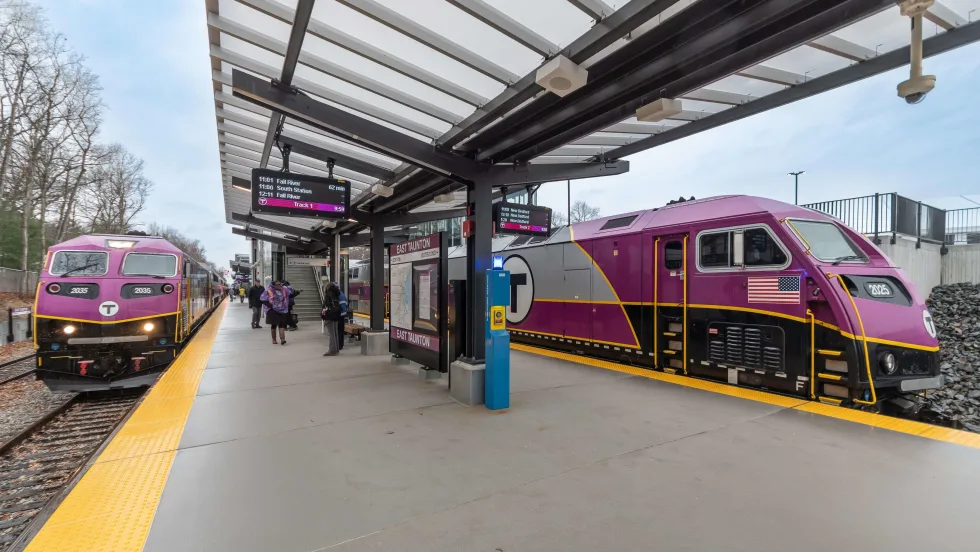
FTA Ends Direct Oversight of MBTA Safety Actions
The federal agency closed its remaining special directive to the Massachusetts Department of Public Utilities following a safety review that began in 2022.
Read More →
Report: Transit Bus Manufacturing Supports 34,100 Jobs, $5.1B in GDP
The “Buses Mean Business” report examines the transit bus manufacturing industry’s economic footprint, supply chain, and rising demand for vehicle replacements.
Read More →
LIT Marks 10-Year Milestone at Annual Summit
Hosted by the COTA from September 10 to 13, the Summit carried the theme “Celebrating 10 Years of Excellence, Leadership, and Impact,” with every part of the program honoring the people, agencies, and partners who built LIT over its first decade.
Read More →
People Movement: Dan Dipert Coaches Adds Third-Generation Leader, Keolis Names New Valley Metro VP/GM, and More
In this edition, we also cover recent appointments and announcements at the Wabtec, SilverRide, HNTB, and more, showcasing the individuals helping to shape the future of transportation.
Read More →
METRO Opens Submissions for 2026 Motorcoach Awards
Nominations are now being accepted for METRO Magazine’s Operator of the Year and Innovative Operator of the Year awards.
Read More →
New York MTA Advances Final Contract for Second Avenue Subway Expansion
Contract Four is the largest in the Second Avenue Subway Phase 2 project and includes construction of station infrastructure, tracks, and signals for the subway expansion, MTA officials said. Work on Contract Four will begin in 2027.
Read More →
Transit Agencies Highlight Safety Gains at National Summit
Leaders from 15 major transit systems shared crime-reduction results and safety initiatives while discussing the role of continued federal support.
Read More →