



City Go, Umo Mobility Partner to Launch City Go Wallet
Community members, commuters, and visitors who prefer to use their phones for transit can download the Umo Mobility app in the Google Play Store and the Apple App Store
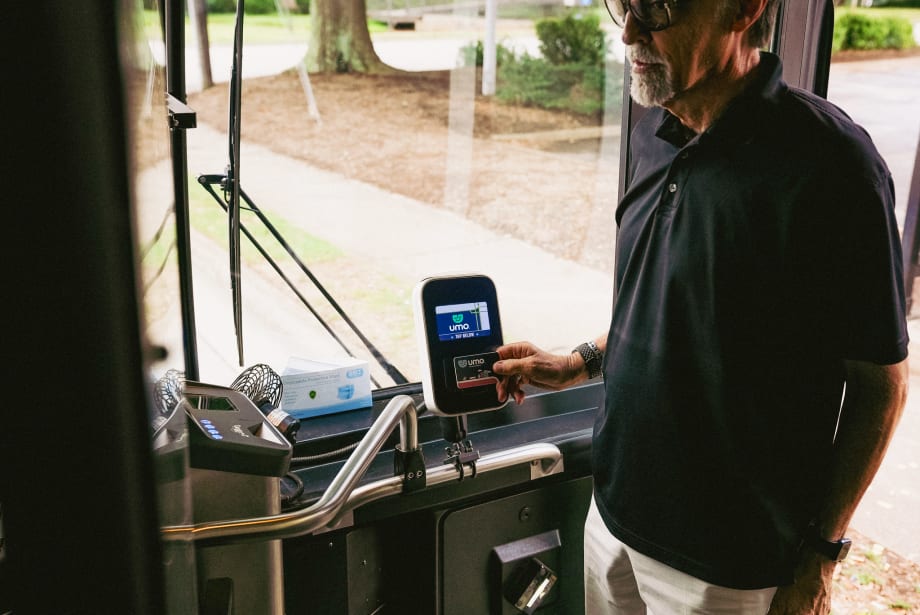
Whether a person uses the app or smartcard when boarding a bus, the system keeps track of each person’s ride throughout the day and month.
Umo Mobility
Cubic Corporation announced that Boise, Idaho’s City Go and Umo Mobility have partnered to launch City Go Wallet. Paying for transportation around Boise and the Treasure Valley is easier than ever before thanks to the City Go Wallet, which launched from Valley Regional Transit (VRT) and Cubic Transportation Systems (CTS). Cubic’s proprietary cloud-based technology powers the City Go Wallet, which centralizes and streamlines transit passes and services payments through the Umo Mobility app and the City Go Smartcard.
Community members, commuters, and visitors who prefer to use their phones for transit can download the Umo Mobility app in the Google Play Store and the Apple App Store. In addition to making transit passes and fares easier to purchase, the app features an all-in-one service that includes trip planning, real-time bus route information, and rideshare options through Lyft and Uber. The app will also integrate additional transit passes and services throughout the upcoming year, such as vanpool, shuttle service, parking, bikeshare, and scooters.
Similarly, individuals who prefer to use a reloadable smartcard can purchase one at any of VRT’s Customer Service windows in Boise, Meridian, or Caldwell. Once purchased, individuals can manage their accounts through the City Go Wallet website. Here, they can purchase additional passes, load stored value, and set up automatic reload of a set monetary amount. Individuals can also register their cards, ensuring that stored value is protected and transferrable to another card if lost or stolen.
The integrated fare payment system also introduces a new feature known as “fare capping.” When a person uses the app or smartcard, fare capping ensures that a person never pays more per day than the cost of all-day fare or more per month than a monthly pass.
Whether a person uses the app or smartcard when boarding a bus, the system keeps track of each person’s ride throughout the day and month. Daily fare capping is activated once a person completes two trips in a single day, allowing that person to take any additional trips that day at no cost. Similarly, monthly fare capping is activated once a person uses the equivalent of a 31-day pass over a calendar month. Each day a person uses their pass after that, there are no additional costs for trips for the rest of the calendar month.
The new, integrated fare payment system emerged from a two-year partnership between VRT and CTS.
More Technology

Building a Flexible Path to Transit Electrification with BAE's John Hroncich
John Hroncich discusses BAE Systems’ modular and scalable approach, lessons learned from decades of real-world operations, and how agencies can identify electrification strategies that fit their fleets.
Read More →
Scenes from APTA TRANSform & EXPO 2026
Transit leaders, manufacturers, and industry professionals gathered in Chicago to explore new technologies, share ideas, and discuss the future of public transportation.
Read More →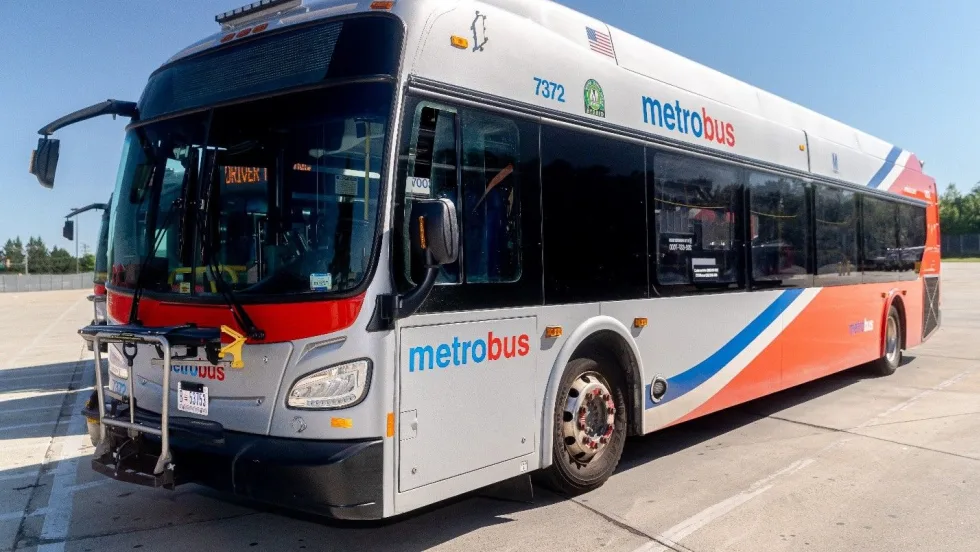
Biz Briefs: New Flyer Secures Additional 100-Bus Order from WMATA and More
In METRO's latest installment, we also take a look at recent news from Masabi, MCI, Samsara, and more partnerships making headlines across the transportation sector.
Read More →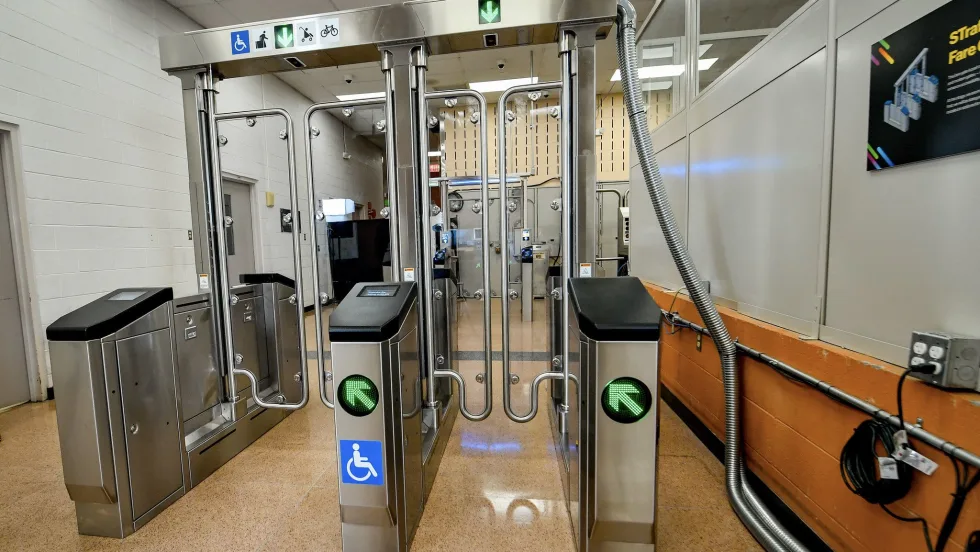
MTA Fare Gate Pilot Reduces Fare Evasion by 35%
Following a 20-station pilot, the agency plans to install new fare gates at 20 additional subway stations as part of a $1.1 billion modernization initiative.
Read More →
California Law Extends AC Transit’s Bus Lane Camera Enforcement
The new law allows AC Transit to continue using forward-facing bus cameras to enforce parking violations in bus-only lanes and at bus stops.
Read More →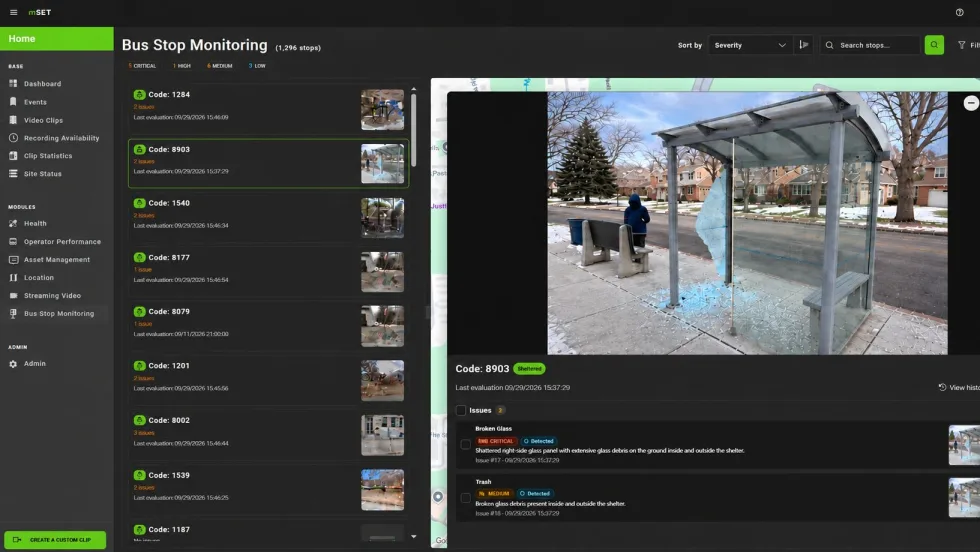
Biz Briefs: Luminator Launches AI Technology to Monitor Bus Stop Conditions and More
In METRO's latest installment, we also take a look at recent news from Masabi, Troman Industries, ioki, CCW, and more partnerships making headlines across the transportation sector.
Read More →
Public Transit Conference Returning to GFX in 2027, Call for Papers Now Open
The Call for Papers is now open, allowing transit agency professionals and industry experts to help shape the PTC educational program by submitting session ideas for consideration.
Read More →
ENC Lands MATA Contract and More in Biz Briefs
In this edition of Biz Briefs, we spotlight the latest developments shaping the future of mobility.
Read More →
Strada360’s Steve Lassey on Turning Transit Data Into Better Decisions
From breaking down data silos to preparing for AI, Strada360 CEO Steve Lassey discusses how transit agencies can use technology to improve operations, customer information, and long-term decision-making.
Read More →
Almaviva Looks to Open Architecture to Advance Transit Technology
Eric Reese discusses how interoperability, open architecture, and modular design can help transit agencies control costs, reduce vendor lock-in, and upgrade technology without starting over.
Read More →