Articles
Transit Expands Agency Partnerships, Reaching 200 Official App Partners
COO Jake Sion discusses Transit’s growth, the success of its Transit Royale program, and how technology is helping agencies improve the rider experience.
Read More →

 MENU
 SEARCH
COO Jake Sion discusses Transit’s growth, the success of its Transit Royale program, and how technology is helping agencies improve the rider experience.
Read More →
The engine, which is equipped with high-efficiency water, fuel and lube pump systems, meets both the EPA 2013 regulations — which require near-zero emissions of NOx — and the new greenhouse gas and fuel-efficiency rules that will take effect in 2014.
Read More →In the last two years, New Flyer has delivered 385 low-floor 40-foot CNG buses and recently built 90 40-foot Xcelsior clean diesel buses — both fleets currently operating in New York. In July 2012, NYCT assigned a contract they held with Daimler Buses North America Inc. to New Flyer to build an additional 74 40-foot CNG buses.
Read More →Based on the cost of commuting by public transportation compared to the cost of owning and driving a vehicle which includes the Sept. 25, 2012 average national gas price and the national unreserved monthly parking rate.
Read More →
The Worcester Regional Transit Authority estimates that replacing these three buses will eliminate 53 tons of harmful emissions and reduce petroleum consumption by more than 23,000 gallons per year, while reducing operating costs by more nearly $500,000.
Read More →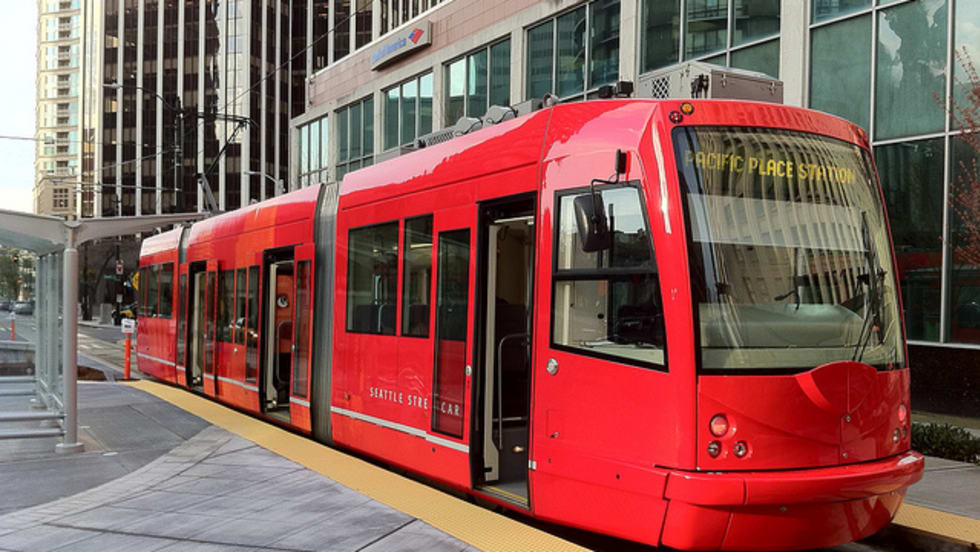
Hopes to offset impact of 12,000 new employees that would work at a planned high-rise campus site.
Read More →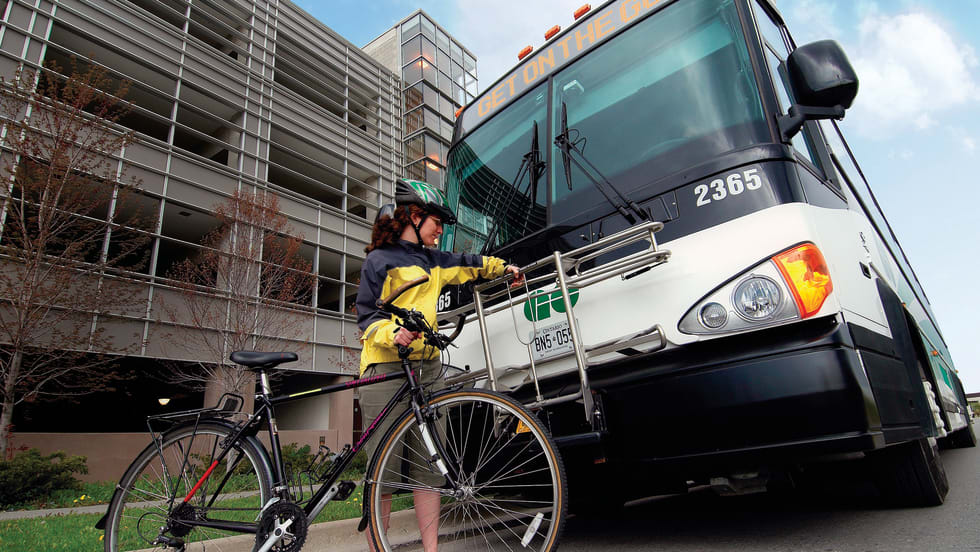
Implementing a fuel transition program and buying used buses are some tactics this year’s respondents are turning to.
Read More →Additionally, approximately two-thirds saw jumps in residents using public transit, while driving to work alone dropped in about two-thirds, or more than 200 metropolitan areas.
Read More →All major modes of public transportation increased. Light rail and heavy rail saw the largest hike, with increases of 4.3% and 2.5% respectively.
Read More →Funds are provided through the FTA’s FY2012 Clean Fuels Grant Program.
Read More →Today’s public transit vehicles are significantly more advanced than automobiles in their ability to run on clean fuels. For instance, buses on the road powered by alternative fuels rose from 2% in 1992 to 36% in 2011. That compares to the percentage of cars capable of being powered by alternative fuels was only 3.2% in 2011.
Read More →