



MARTA passes '15th amendment' to support capacity, expansion plans
The amendment to the RTCAA ratifies the extension of the full penny sales tax levy through 2057.

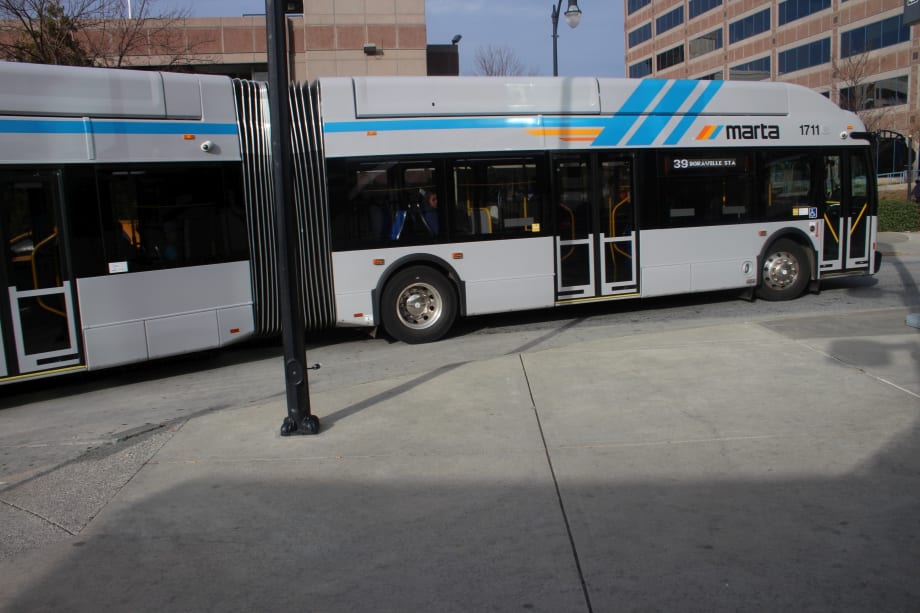
Adoption of the 15th amendment is necessary for MARTA to maintain the current service levels and capital program.
MARTA
Adoption of the 15th amendment is necessary for MARTA to maintain the current service levels and capital program.
MARTA
The MARTA Board of Directors voted to support a resolution to execute the 15th amendment to the Rapid Transit Contract and Assistance Agreement (RTCAA), an intergovernmental agreement between MARTA and its four jurisdictions — the City of Atlanta, Fulton County, DeKalb County, and Clayton County.
The amendment to the RTCAA, which outlines jurisdictional roles and responsibilities relating to the development of the MARTA system, ratifies the extension of the full penny sales tax levy through 2057, as approved by the Georgia General Assembly in 2015. Execution of the resolution requires three of the four jurisdictions approve the resolution.
Adoption of the 15th amendment is necessary for MARTA to maintain the current service levels and capital program, including rehabilitation of all 38 rail stations and purchase of 254 new railcars, by extending long-term bonding capacity. The amendment also enables the authority to move forward with expansion projects in Atlanta and Clayton County and continue planning for expansion in Fulton and DeKalb counties.
“Our board understands the complex nature of this amendment and has voted to ensure that MARTA maintains and can improve our current level of service and maintenance, while moving ahead with our expansion plans,” said MARTA General Manager and CEO Jeffrey Parker. “We have engaged in extensive conversations with our jurisdictional partners and believe that they will approve the amendment which ensures the long-term viability of the system.”
Following today’s Board vote, MARTA will send a letter to the jurisdictions asking them to approve the amendment within 60 days.
More Management

Indian River Transit’s Community-Focused Approach Earns National Recognition
Named APTA’s 2026 Outstanding Public Transportation System in its size category, Florida’s Indian River County transit system continues to grow ridership through fare-free service and a focus on evolving community needs.
Read More →
ENC Lands MATA Contract and More in Biz Briefs
In this edition of Biz Briefs, we spotlight the latest developments shaping the future of mobility.
Read More →
From Surviving to Thriving: Building Stronger Transportation Organizations
Bus Business Consultants founder Brian Dickson shares lessons on leadership, organizational health, and creating options for long-term success in a changing transportation industry.
Read More →

Everett Transit, Community Transit Outline Consolidation Agreement
The proposed agreement calls for a 50% increase in bus service in Everett, a new microtransit zone, continued paratransit service, and the transfer of Everett Transit operations to Community Transit.
Read More →
Strada360’s Steve Lassey on Turning Transit Data Into Better Decisions
From breaking down data silos to preparing for AI, Strada360 CEO Steve Lassey discusses how transit agencies can use technology to improve operations, customer information, and long-term decision-making.
Read More →
People Movement: Phil Washington Joins HNTB, Denver RTD Launches CEO Search, and More
In this edition, we also spotlight recent personnel moves at STV, the Eno Center for Transportation, and more, highlighting the people taking on new roles across the transportation industry.
Read More →
SEPTA Details Accelerate Vision for Transit System
The plan outlines investments in trolley modernization, new Metro and Regional Rail vehicles, accessible stations, and more frequent bus and rail service.
Read More →
FTA Ends Direct Oversight of MBTA Safety Actions
The federal agency closed its remaining special directive to the Massachusetts Department of Public Utilities following a safety review that began in 2022.
Read More →
Report: Transit Bus Manufacturing Supports 34,100 Jobs, $5.1B in GDP
The “Buses Mean Business” report examines the transit bus manufacturing industry’s economic footprint, supply chain, and rising demand for vehicle replacements.
Read More →
LIT Marks 10-Year Milestone at Annual Summit
Hosted by the COTA from September 10 to 13, the Summit carried the theme “Celebrating 10 Years of Excellence, Leadership, and Impact,” with every part of the program honoring the people, agencies, and partners who built LIT over its first decade.
Read More →