




Miss This? Bus Coalition Leaders Push to Protect Transit Funding in Critical Reauthorization Year
House Surface Transportation Bill Advances as Transit Funding Debate Intensifies
A bipartisan transportation package moving through Congress could redefine how the U.S. funds highways, transit, and motorcoach travel, while igniting new fights over electrification, regulation, and federal priorities.
August 6, 2026
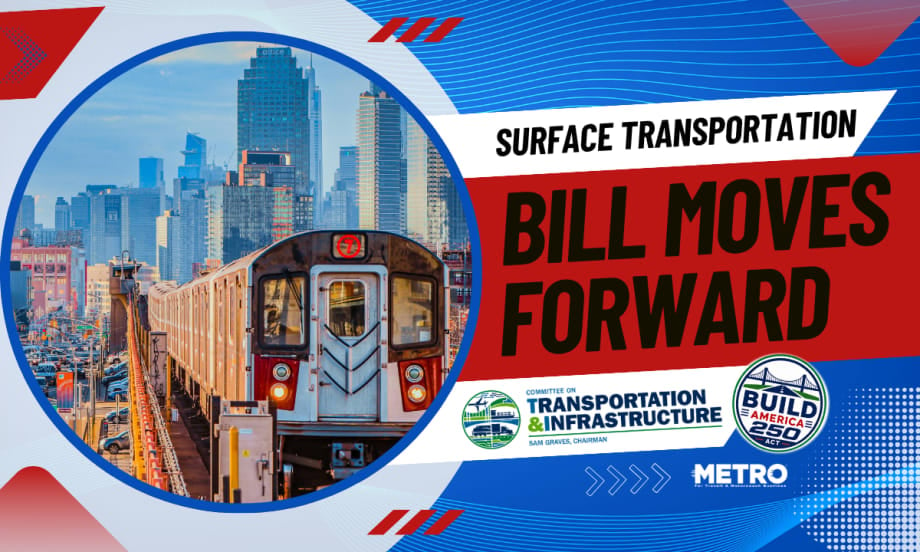
The BUILD America 250 Act is intended to replace the current federal surface transportation authorization, which expires September 30, 2026.
Credit:
Oscar Portan/METRO
6 min to read
- A bipartisan transportation package in Congress aims to reshape funding for highways, transit, and motorcoach systems in the U.S.
- The bill includes key provisions for motorcoach travel and significant investments in transit infrastructure.
- The proposed changes have raised questions over electrification, regulatory measures, and federal funding priorities.
*Summarized by AI
The House Transportation and Infrastructure Committee approved a sweeping bipartisan surface transportation reauthorization bill after a marathon 14-hour markup session, advancing legislation that could shape federal transit, highway, rail, and motorcoach policy for years to come.
The BUILD America 250 Act, a sweeping reauthorization package introduced by Committee Chairman Sam Graves (R-Missouri) and Ranking Member Rick Larsen (D-Washington), would invest in roads, bridges, transit, rail transportation, and highway safety programs through 2031 while also setting up debate over electric vehicle fees, infrastructure priorities, and transportation innovation.
The legislation was approved by the committee following a lengthy markup session and is expected to move to the House floor in the coming months.
According to committee leaders, the legislation includes the “largest ever investment in America’s bridges,” the potential to strengthen the Highway Trust Fund with a new revenue stream, and the establishment of what lawmakers describe as the nation’s first autonomous commercial motor vehicle framework.
For the public transit industry, the proposal maintains many existing formula and grant programs while highlighting investments in “safe, accessible transit and bike infrastructure,” according to Larsen. However, there is greater emphasis on formula programs than on competitive grants. The legislation also includes provisions to streamline project delivery, reduce permitting delays, and increase state flexibility in infrastructure planning and spending.
“You can’t have a big-league economy with little-league infrastructure,” Larsen said. “The BUILD America 250 Act makes key investments in the nation’s transportation — from restoring aging bridges and repairing crumbling roads to building out safe, accessible transit and bike infrastructure.”
APTA Backs Faster Project Delivery, Seeks More Funding
The American Public Transportation Association (APTA) voiced support for several elements of the legislation while also raising concerns about funding levels and new mandates affecting transit agencies. In a letter to congressional leaders, APTA President and CEO Paul P. Skoutelas called the bill “a great first step.”
“We look forward to working with you and the Committee on Appropriations to ensure that the BUILD America 250 Act, when considered by the House of Representatives, builds upon current investment levels (including guaranteed funding) for public transit and passenger rail to drive job creation, innovation, and our economy,” Skoutelas wrote. “Every $1 invested in public transportation generates $5 in long-term economic returns.”
APTA’s recommendations call for Congress to invest $138 billion in public transit and $130 billion in passenger rail over five years to help address what the association says is a backlog of more than $150 billion in state-of-good-repair needs.
The association also praised several provisions, including reforms to the Federal Transit Administration’s Capital Investment Grants program and expanded environmental review flexibilities.
APTA “greatly appreciates the BUILD America 250 Act’s many policy initiatives to accelerate project delivery by eliminating statutory and regulatory barriers to advancing public transit and passenger rail projects,” Skoutelas wrote.
Among the reforms highlighted by APTA are provisions authorizing advance acquisition of property for transit and passenger rail projects, expanding National Environmental Policy Act categorical exclusions, and allowing large transit agencies to assume responsibility for certain NEPA actions.
Motorcoach Operators Score Early Wins as EV Fees Draw Fire
The bill also proposes a new annual fee on electric vehicles and plug-in hybrids to help shore up the Highway Trust Fund, a move that immediately drew criticism from environmental organizations. Otherwise, there is no comprehensive fix to the federal funding source.
The Natural Resources Defense Council said the legislation “would place a new $130 annual fee on electric vehicles, eliminate key programs to cut emissions and trim overall transportation spending, including on EV chargers.”
“This legislation is a punch in the gut to the millions of Americans struggling to pay higher prices at the pump,” said Shruti Vaidyanathan, director of federal and state transportation advocacy at NRDC.
For the motorcoach industry, early reactions from the United Motorcoach Association (UMA) focused on several provisions viewed as favorable to private bus operators.
UMA Vice President of Industry Relations and COO Ken Presley noted that UMA is pleased to see clarification that charter buses are included in toll parity. Presley also noted the bill currently contains “no provisions to increase financial responsibility (insurance) limits and no adverse changes to the Charter Service Rule,” two longstanding priorities for the association.
Toll parity, proposed increases to motorcoach insurance minimums, and potential revisions to the Federal Transit Administration’s Charter Service Rule have remained central lobbying issues for private bus operators in recent years. UMA President and CEO Scott Michael credited member advocacy efforts, including the association’s annual legislative fly-in, for helping shape the current language.
Michael added that the association’s legislative team is still reviewing the 1,000+ page text, but noted they are "off to a good start."
New Requirements Could Create Cost Pressures for Transit Agencies
APTA also identified several areas of concern for public transit agencies, including provisions establishing a Consolidated State Block Grant Program, limiting the federal contribution for bus procurements, and imposing new mandates on transit systems.
The association specifically warned against a “one-size-fits-all approach” to mandated bus safety technologies, including a requirement that all new buses include fully enclosed operator workstations.
“H.R. 8870 also establishes a Working Group to consider requiring the retrofit of existing buses with workstation barriers, which could lead to mandating new bus enclosures on more than 62,000 buses in transit agency fleets today,” Skoutelas wrote.
Beyond highways and transit, the legislation includes passenger rail reforms, rail safety provisions, and policies intended to improve freight movement and supply chain efficiency. Committee leaders also highlighted investments in innovation and new transportation technologies.
Chairman Graves called the proposal “the most important surface transportation bill since President Eisenhower built the Interstate Highway System.”
“I’m extremely proud of the historic level of investment in America’s bridges – at more than $50 billion, it’s the largest such investment in our history,” Graves said. “The bill also makes smart and targeted reforms to our surface transportation programs, focuses on strengthening our core infrastructure system, drives innovation, bolsters safety, ensures states have the flexibility they need, and cuts red tape to get projects built faster.”
The debate over the next surface transportation authorization extends beyond the House proposal. In late July, the U.S. Department of Transportation submitted recommendations to Congress that would eliminate guaranteed funding for public transit and passenger rail by ending the Mass Transit Account of the Highway Trust Fund and advance appropriations. APTA strongly opposed the proposal, arguing it would jeopardize more than 85% of federal public transit and passenger rail investment, urging Congress to preserve dedicated transit funding.
Other industry stakeholders are also urging lawmakers to maintain a balanced approach to transportation investment. "The next surface transportation bill should continue making strong, sustained investments across America's transportation network," the Transportation Construction Coalition said in a recent interview with METRO. "Reliable public transit systems improve safety and mobility, while highways remain essential for regional connectivity and freight movement. By investing across all modes of transportation, Congress can ensure America's transportation network remains resilient, efficient, and equipped to support economic growth and opportunity for generations to come."
The BUILD America 250 Act is intended to replace the current federal surface transportation authorization. Chairman Sam Graves said he expects to move this bill on the House floor soon and looks forward to working with the Senate to pass a final bill ahead of its September 30, 2026, expiration.
Editor's Note: This article was originally published May 21, 2026, and was updated on May 22, 2026, and August 6, 2026, for continued relevancy on the BUILD America 250 Act and to include additional commentary from APTA and the Transportation Construction Coalition.
More Management

Building Stronger Leaders, More Resilient Transit Teams
Dr. Carol Parker Walsh discusses leadership development, employee retention, workplace culture, and preparing transit’s workforce for AI and automation.
Read More →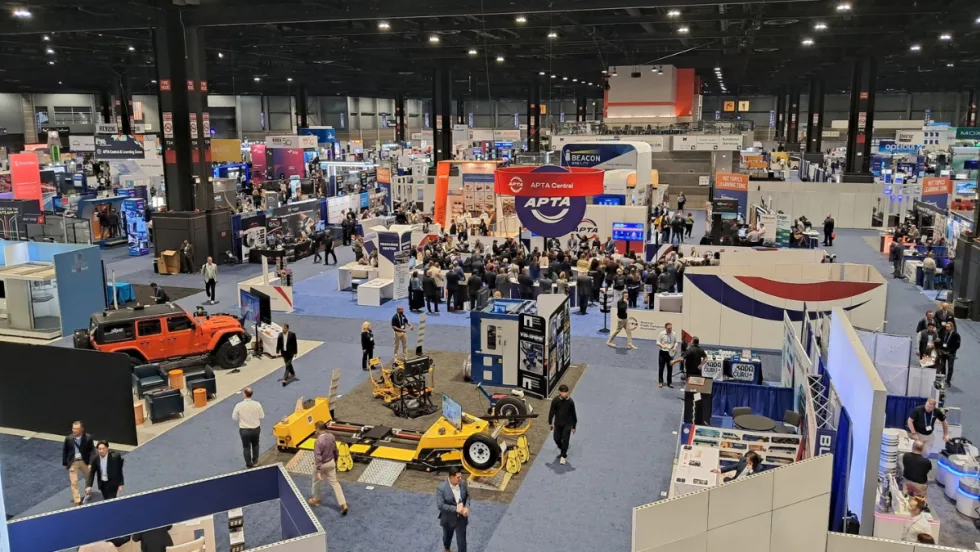
APTA 2026 TRANSform & EXPO Kicks Off in Chicago
After 45 years, APTA returns to Chicago with a focus on next-generation fleets, AI, connected transit networks, and the funding strategies shaping public transportation’s future.
Read More →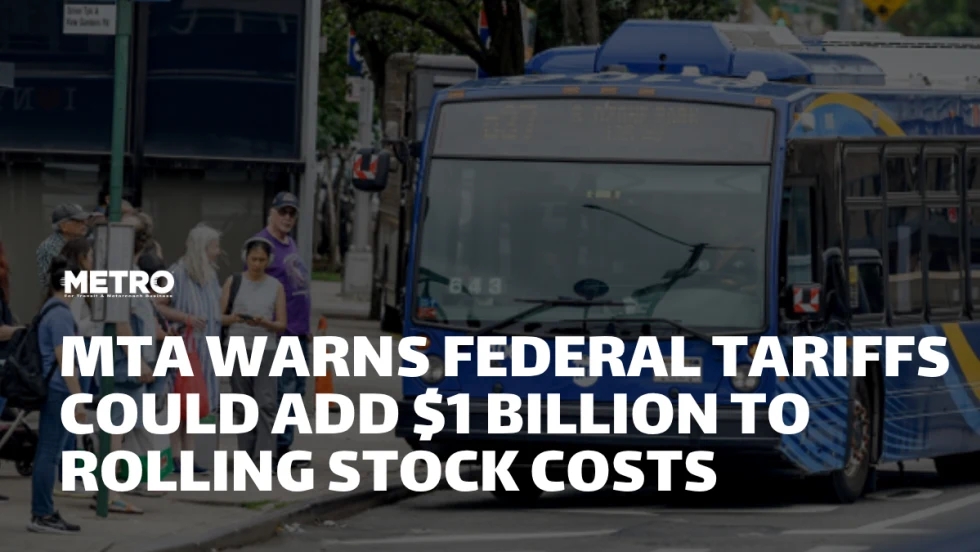
New York MTA Warns Federal Tariffs Could Add $1 Billion to Rolling Stock Costs
The agency said tariffs on specialized imported components could reduce the purchasing power of its $23 billion investment in new subway cars, railcars, and buses.
Read More →
From the Show Floor: What’s Happening at APTA TRANSform & EXPO 2026
Follow the latest product launches, partnerships, technology updates, and transit industry announcements coming out of APTA TRANSform & EXPO in Chicago.
Read More →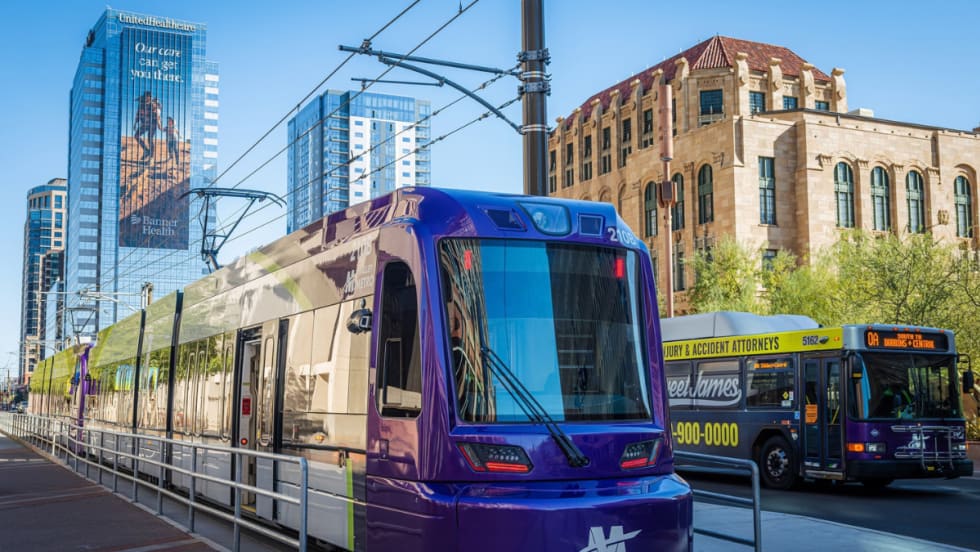
How Valley Metro Is Balancing Transit Growth With the Rider Experience
The APTA award-winning agency is pairing rapid system expansion with investments in workforce, safety, technology, and the fundamentals of transit service.
Read More →
Bus Tech Talk: Keeping Transit Technicians Ahead of the Technology Curve
In this episode of Bus Tech Talk, Complete Coach Works’ Business Development Manager Mark Hollenbeck and METRO’s Executive Editor Alex Roman sit down with Obed Mejia, Senior Technical Trainer for Bus Maintenance, at LA Metro to discuss how rapidly evolving bus technology is changing the maintenance shop — and the skills technicians need to keep pace.
Read More →
Michael Schneider Joins Paslay Group to Expand Transportation Practice
The longtime transportation executive will help Paslay Group grow its advisory and program management work across transit, highway, and other infrastructure sectors.
Read More →
People Movement: Connectpoint Expands Leadership Team, Stadler Names New Group CEO, and More
In this edition, we also spotlight recent personnel moves at Burns, UZURV, and more, highlighting the people taking on new roles across the transportation industry.
Read More →
More Than a Summer Job: Building the Next Generation of Transit Talent
The Delaware River Port Authority and PATCO have transformed their internship program into a hands-on professional development experience that introduces students to the breadth of transportation careers — and creates a pipeline for future employees.
Read More →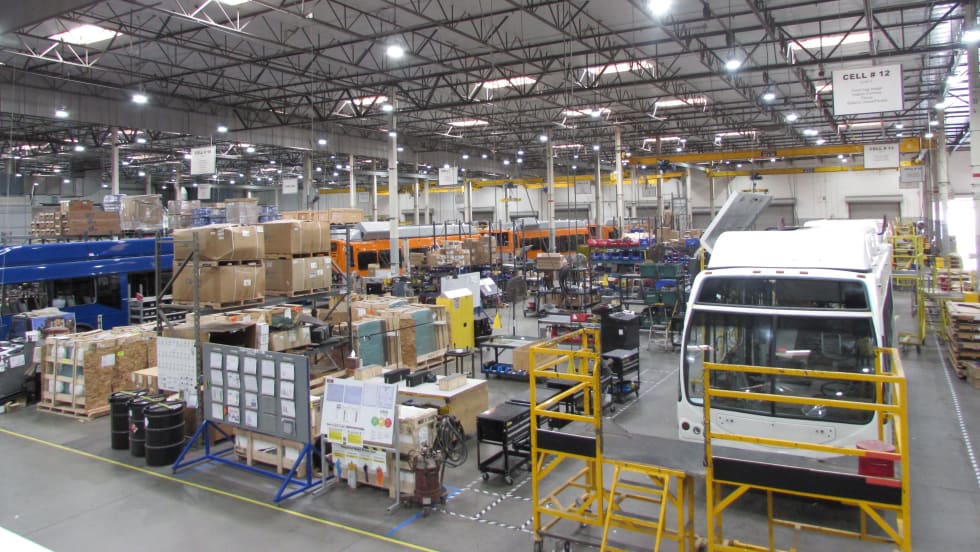
LA Metro Board Awards 220 Battery-Electric Bus Contract to ENC
The contract, which is the largest base award of battery-electric buses by a U.S. transit agency, will be built in Southern California, sustaining good jobs as LA prepares to welcome the world in 2028
Read More →