



OKC Streetcar Makes Zero-Fare Service Permanent
Ridership increased an average of 71% compared with the same period a year earlier during the fare-free pilot.

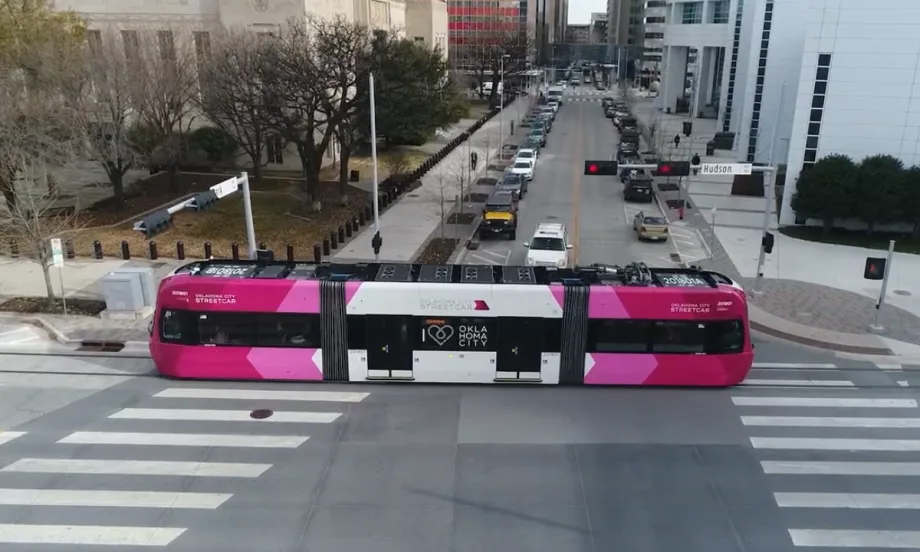
The OKC Streetcar’s fare-free pilot builds on broader efforts by EMBARK to lower barriers to transit and attract new riders, as reported previously by METRO.
Credit: EMBARK
- The OKC Streetcar has decided to make its zero-fare service permanent.
- During the fare-free pilot, OKC Streetcar saw a 71% increase in ridership compared to the previous year.
- The decision to maintain zero-fare service is influenced by the pilot program's success in boosting usage.
*Summarized by AI
The Central Oklahoma Transportation and Parking Authority (COTPA) adopted a resolution at its board meeting to remove the fare for the OKC Streetcar and establish a zero-fare service effective immediately.
Steps to Get Here
EMBARK established a free fare pilot program in January to test whether removing fares from the OKC Streetcar would increase usage.
A ridership analysis comparing January through June 2025 with the same months in 2026 showed that ridership on the OKC Streetcar increased by an average of 71% month over month compared with the same period last year, said officials.
“We’re pleased to see these positive results from the ridership analysis and to create a Zero Fare OKC Streetcar system for our residents and visitors,” said Jesse Rush, director of EMBARK. “As our city continues to invest in projects and host major events coming to downtown Oklahoma City, the streetcar can improve downtown circulation, help ease traffic congestion and boost economic activity for downtown businesses.”
The OKC Streetcar operates seven days a week across two loops with 22 stops, served by seven modern streetcars.
A Broader Fare-Free Strategy
The OKC Streetcar’s fare-free pilot builds on broader efforts by EMBARK to lower barriers to transit and attract new riders, as reported previously by METRO.
The agency has seen encouraging results from previous periods of free service, including its annual Third Friday Free promotion, which provides complimentary rides across EMBARK’s fixed-route bus network, RAPID NW bus rapid transit service, Zone 1 paratransit, the streetcar, and Oklahoma River Cruises.
Now in its fifth year, Third Friday Free has also evolved into an opportunity for EMBARK to explore partnerships that can help support fare-free service. In 2025, Allegiance Credit Union became the first private-sector partner to support the program financially.
Rush said the agency views such partnerships as one potential way to expand transit access while managing the financial pressures associated with providing service.
The agency has also seen operational benefits from eliminating fares. Without a fare transaction, passengers can board more quickly, which Rush said has helped improve service frequency and route efficiency.
Earlier this summer, Rush said the agency is not currently considering making the entire EMBARK system fare-free. Still, it continues to explore targeted programs and partnerships that could make transit more affordable and accessible. Among the possibilities is an employer program that would allow businesses to purchase reduced-cost transit passes for their employees.
For EMBARK, the various initiatives reflect a broader effort to make public transportation easier to understand and use, particularly for people who may not have previously considered transit an option. Free service removes the financial barrier while also allowing prospective riders to become familiar with the system without worrying about fares or the mechanics of paying.
Quick Answers
The OKC Streetcar service has made its zero-fare service permanent.
*Summarized by AI
More Management
Transit Expands Agency Partnerships, Reaching 200 Official App Partners
COO Jake Sion discusses Transit’s growth, the success of its Transit Royale program, and how technology is helping agencies improve the rider experience.
Read More →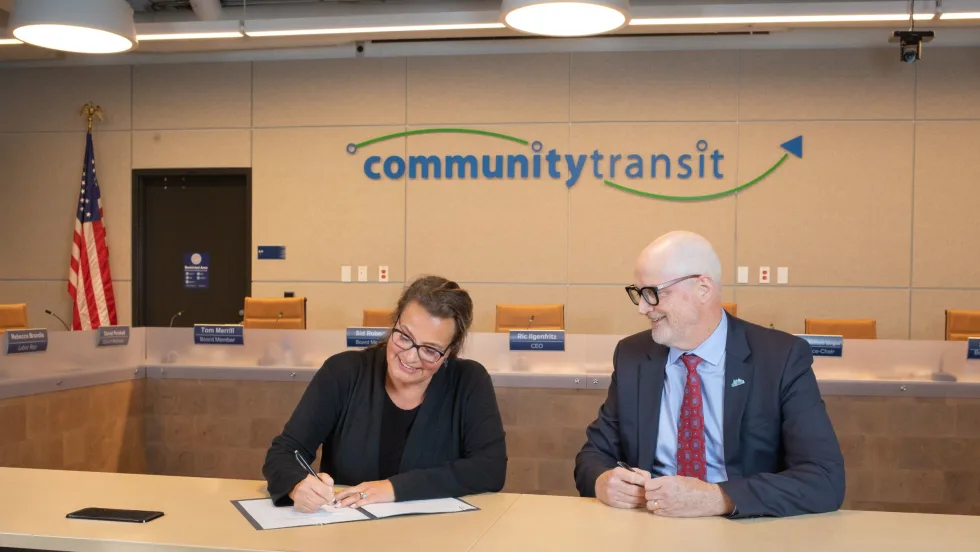
Everett Transit, Community Transit Approve Consolidation of Services
The agreement will bring Everett Transit into Community Transit’s network in April 2027, with plans to increase bus service by 50% by 2031 and expand regional connections.
Read More →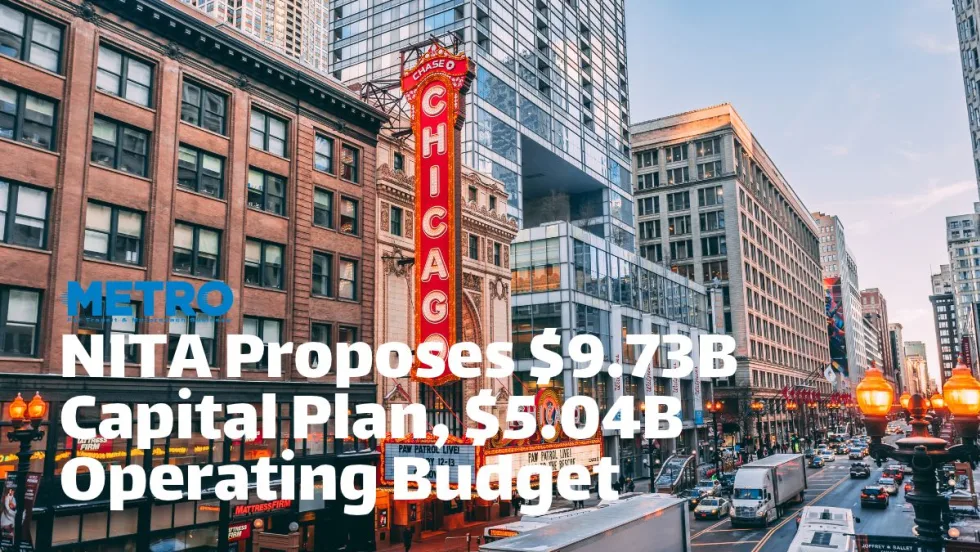
NITA Proposes $5B Operating Budget, $9.7B Capital Program for 2027
The proposed budget includes funding for expanded transit service, safety initiatives, fleet upgrades, and infrastructure improvements across CTA, Metra, and Pace.
Read More →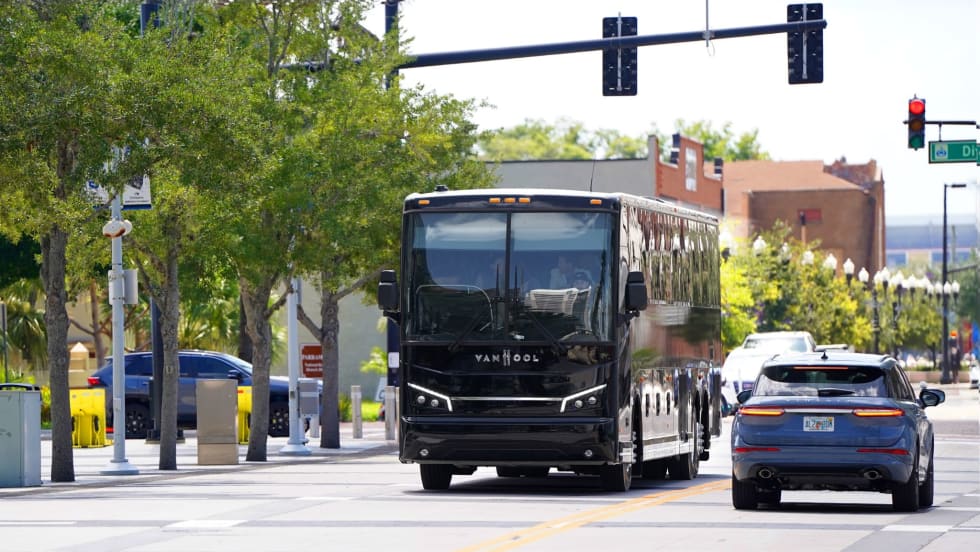
Financing, Fleet Replacement Requires a More Strategic Approach
Executives from ABC Companies and MCI discuss how rising costs, changing market conditions, and post-pandemic challenges are prompting motorcoach operators to rethink financing strategies, fleet replacement cycles, and long-term planning.
Read More →
Bringing Austin’s First Light Rail System to Life
Austin Transit Partnership CEO Greg Canally discusses the city's nearly 10-mile light rail project, its collaborative approach to project delivery, the importance of community engagement, and the milestones ahead as construction approaches in 2027.
Read More →
ETA CEO John Maglio on Transit Technology, Innovation, and Building Agency Trust
ETA founder and CEO John Maglio explores the evolution of transit technology, the importance of reliable systems, and how stronger partnerships can help agencies improve operations and the passenger experience.
Read More →
Metra Draft Plan Outlines Costs, Service Improvements for Regional Rail
The Systemwide Network Plan identifies infrastructure needs and potential investments to expand all-day, bidirectional rail service across the Chicago region.
Read More →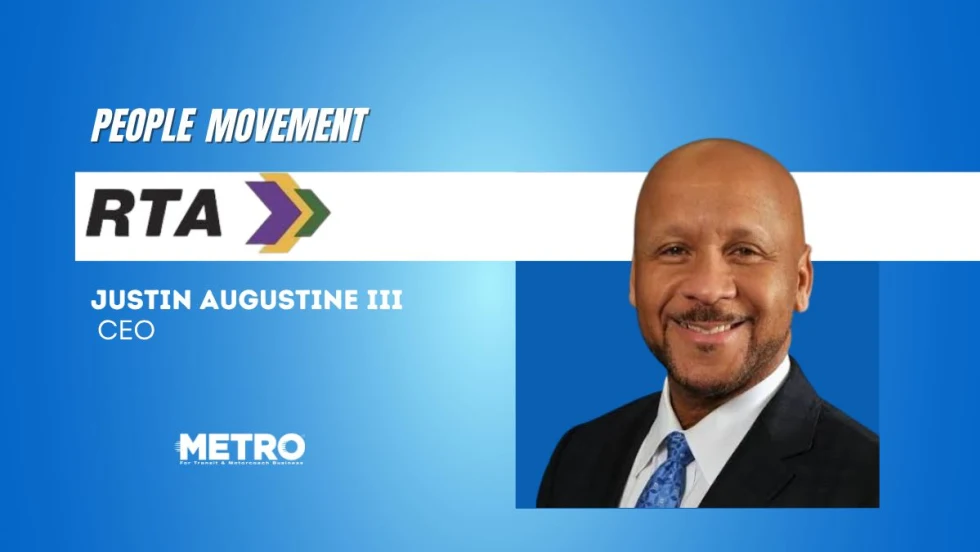
New Orleans RTA Names Augustine III as New CEO
In this edition, we also spotlight recent personnel moves at HDR, PATH, STV, and more, highlighting the people taking on new roles across the transportation industry.
Read More →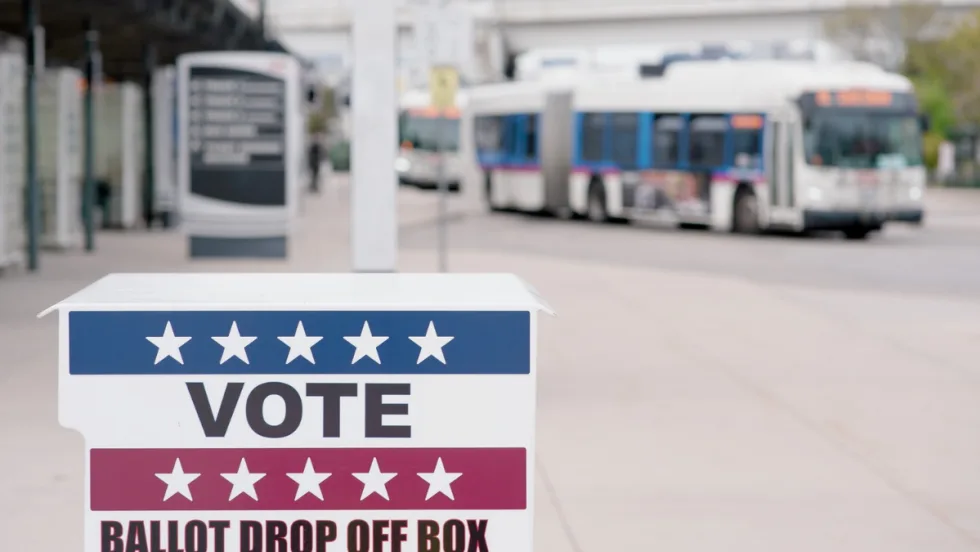
How Transit Agencies Are Using Free Rides to Improve Voting Access
Transit agencies are using fare-free service, trip-planning tools, and targeted rides to improve voting access. See what other agencies can learn from these efforts.
Read More →
Caltrain’s Electrification Drives a New Era of Ridership Growth
The railroad’s shift to electric service has brought more frequent trains, stronger customer satisfaction, and increased ridership, earning it APTA’s Outstanding Public Transportation System award.
Read More →