One Call Partners With Lyft to Provide Non-Emergency Transportation
One Call and Lyft have integrated their transportation platforms, creating an active ride management tool that allows users to monitor and confirm transportation in real-time.
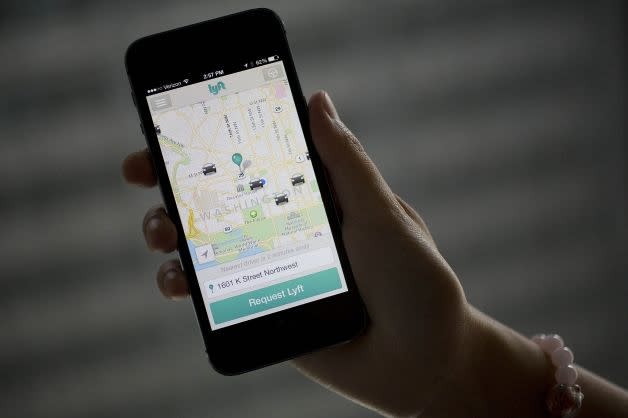
One Call Care Management (“One Call”), a provider of cost containment services for the workers’ compensation industry, announced a partnership with ridesharing service, Lyft, to provide non-emergency patients with transportation.
One Call and Lyft have integrated their transportation platforms, creating an active ride management tool that allows users to monitor and confirm transportation in real-time.
Ad Loading...
During an initial pilot, One Call was able to increase the fulfillment of rush requests by 64 percent when utilizing Lyft’s extensive driver community. This additional fulfillment ability allowed rush case patients to reach their appointments on time, eliminate costly fees typically associated with these trips and lower the cost of care.
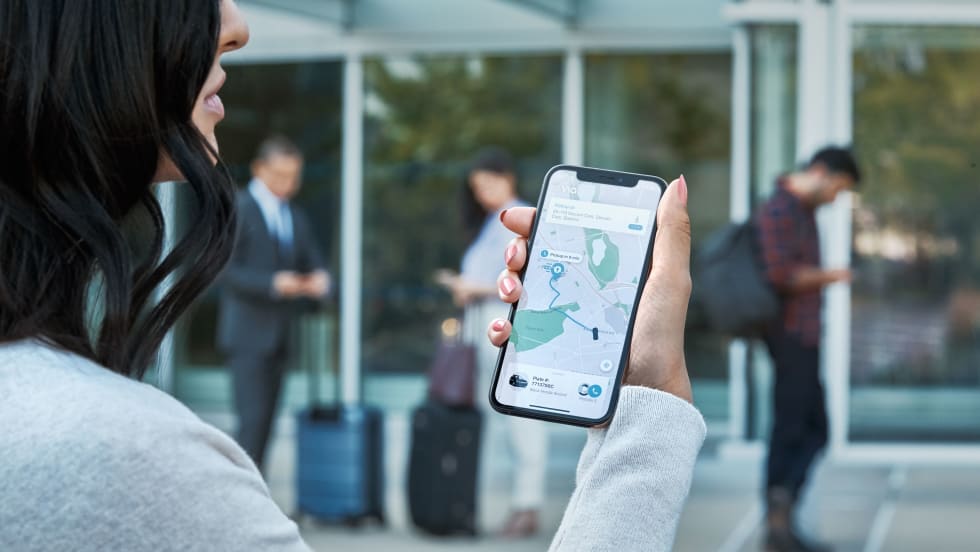
The integrated One Call and Lyft platform has many added benefits, which include delivery of real-time data, immediate patient feedback, notice of driver delays, elimination of drivers’ wait time during appointments, and a smartphone app. Lyft currently operates in more than 200 cities nationwide, further expanding One Call’s market-leading transportation network.
The Scheduling and Supply Studio provides the world’s first fully integrated platform for optimizing vehicle and driver availability to rider demand, said company officials.
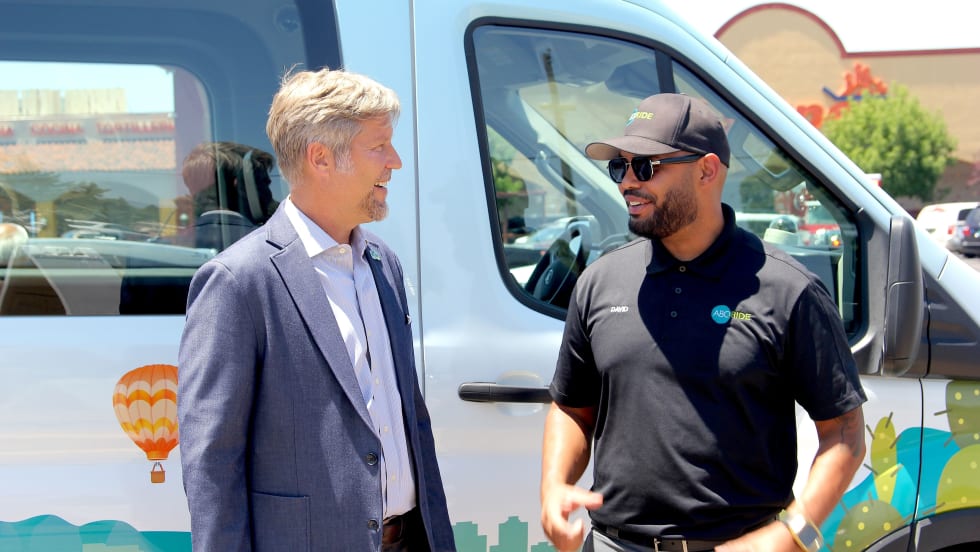
ABQ RIDE Forward is the first transit system overhaul in more than 25 years. This latest phase marks 15% completion of the 16-phase rollout, which will continue over the next several years.
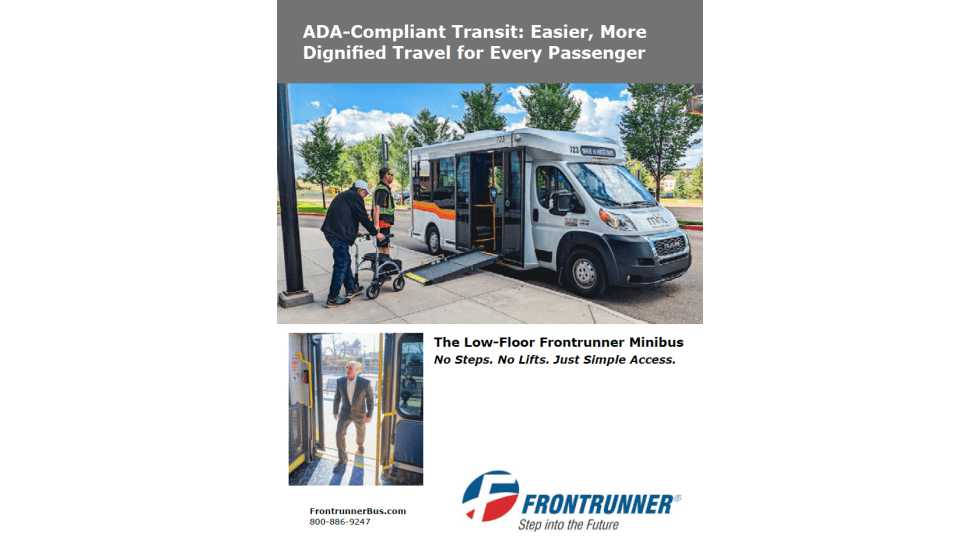
Today’s riders—and the communities you serve—expect more from public transit. While ADA compliance is required, leading transit agencies know that true accessibility also means delivering dignity, efficiency, and a better rider experience. This whitepaper reveals why forward thinking agencies nationwide choose the Low Floor Frontrunner as their first choice for ADA compliant vehicles—setting a new standard with passenger first design, faster boarding, improved safety, and unmatched operational performance.
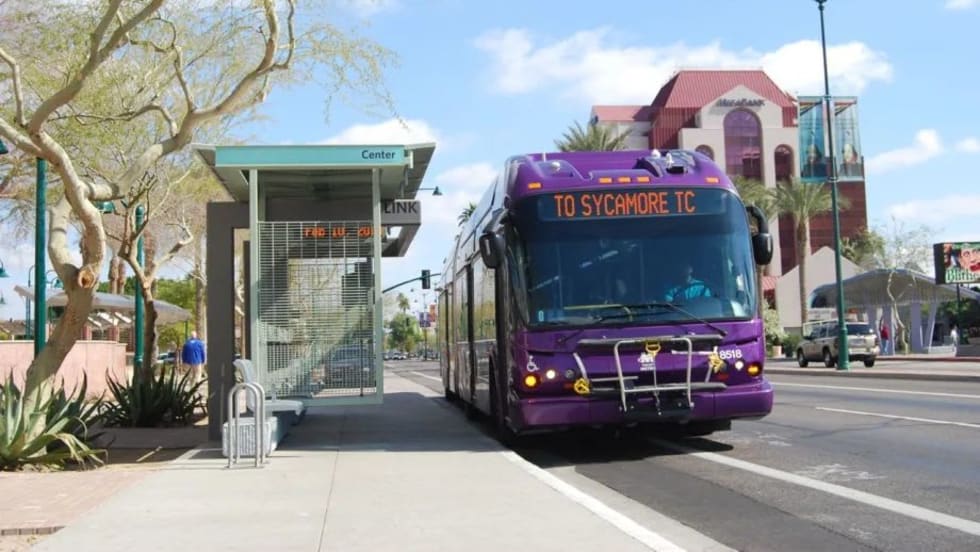
Under this extension, Keolis will continue to manage and operate fixed-route bus service across the East Valley, serving communities including Tempe, Mesa, Chandler, Scottsdale, the town of Gilbert, parts of Phoenix, and the Gila River Indian Community.
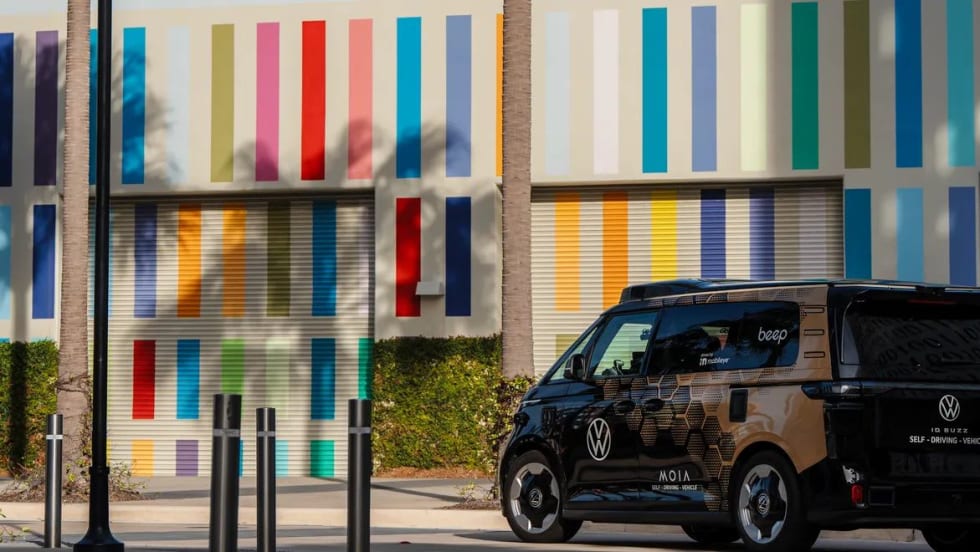
Through the strategic partnership, MOIA America will provide MOIA’s turnkey autonomous mobility solution. This includes purpose-built, autonomous-ready ID. Buzz vehicles equipped with the self-driving system developed by Mobileye, as well as operator training and enablement.
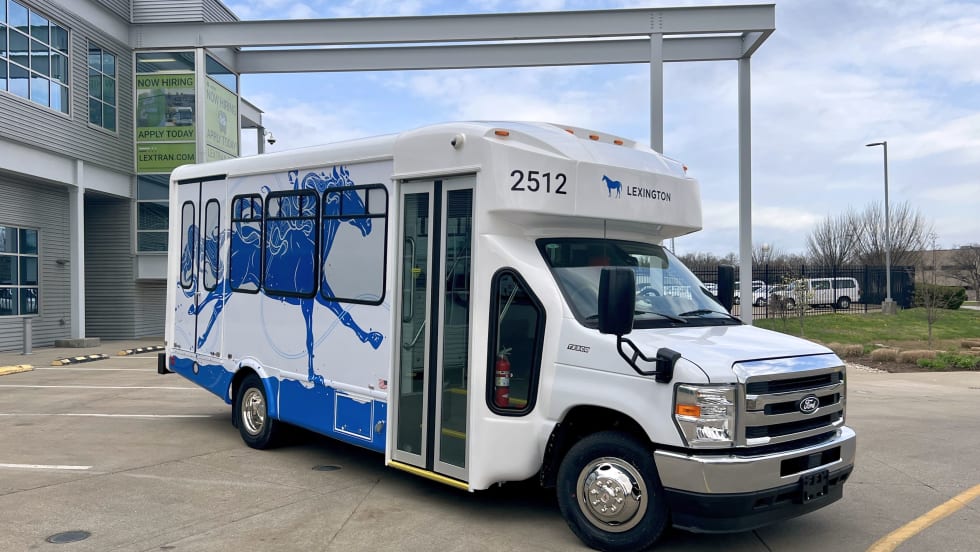
LexRide connects key destinations, including Downtown Lexington, the Distillery District, and the Warehouse Block/National Avenue area, making it easier to explore without worrying about parking, traffic, or multiple rideshare trips.