U. of Iowa ridesharing program could cut campus commuter costs in half
Users of the RideShare progame can be matched for carpooling, biking, walking, and even as bus buddies. UI users also can calculate money saved, miles traveled, and emissions reduced.
by By Cristóbal McKinney
October 24, 2016
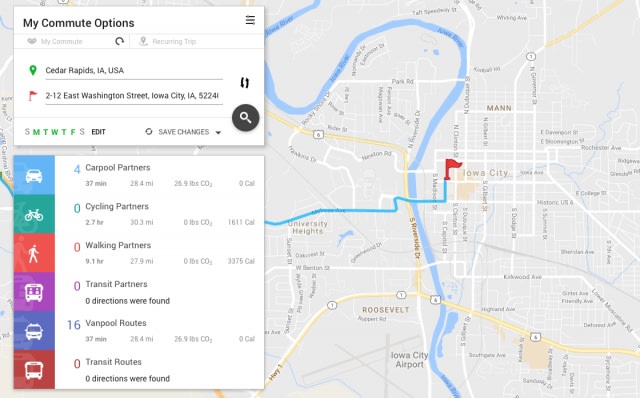
A screenshot of UI RideShare, developed by the Iowa Department of Transportation and facilitated locally by the University of Iowa. Courtesy University of Iowa
3 min to read
A screenshot of UI RideShare, developed by the Iowa Department of Transportation and facilitated locally by the University of Iowa. Courtesy University of Iowa
A new, free rideshare program for University of Iowa (UI) faculty, staff, and students has the potential to cut commuter costs by at least half, UI Parking and Transportation officials say.
The program is part of a new statewide rideshare launched Oct. 20 by the Iowa Department of Transportation. UI Parking and Transportation facilitates the local operation.
UI RideShare offers numerous improvements and features unavailable in previous software. After logging in with a university ID and password, users can be matched for carpooling, biking, walking, and even as bus buddies. UI users also can calculate money saved, miles traveled, and emissions reduced.
UI RideShare can match users for single trips as well. Michelle Ribble, UI commuter programs manager, says if enough people use it, the program could help decrease traffic congestion and should help students and employees cut costs for shuttles to the airport and drives home for university breaks.
UI Parking and Transportation officials hope the program will reduce the number of UI students and employees who commute alone in their cars.
Slightly more than half of UI employees who work at least part time drive alone, according to a 2012 UI survey. In addition, according to a 2014 Iowa Commuter Transportation Study, 57 percent of Iowa City commuters drive alone, and 72 percent of those commuters travel for less than 20 minutes to reach their destination.
Although the U.S. Census ranks Iowa as seventh in the nation for shortest commutes, UI Parking and Transportation officials say Iowa City is one of the most congested metro areas in the state. As the UI and Iowa City grow, so does the strain on transportation infrastructure.
“The UI is an extremely busy place,” says Ribble, “and parking infrastructure is expensive. Each person using UI RideShare reduces pollution and frees resources that can more directly benefit everyone.”
According to Ribble, almost 30 percent of the UI’s 17,416 UI employees commute more than 10 miles to work. According to the Iowa Department of Transportation, the cost of driving a vehicle can range from about 60 cents to $1.20 per mile, depending on the vehicle and driving patterns. When adding parking costs, which can vary from $27 to $110 a month, a person commuting alone a distance of 10 miles might pay from $555 to more than $1,500 a year, not including vehicle maintenance.
Carpooling doesn’t require additional physical infrastructure, and it can cut commuter costs in half or more, officials say. UI RideShare leaves decisions about sharing costs to the commuters, but most carpoolers evenly split gas and parking costs. The more riders in a carpool, the less each pays.
The Iowa DOT developed the statewide rideshare program and partnered with organizations like the UI across all 99 of Iowa’s counties.
UI RideShare is one of several transportation strategies used by UI Parking and Transportation to reduce parking demand on campus. Other strategies include the UI van pool, bicycle access, and bus programs. Information about all of these travel modes will be available on the UI RideShare site in the near future.
Cristóbal McKinney is with the Office of Strategic Communication, University of Iowa.
Under this extension, Keolis will continue to manage and operate fixed-route bus service across the East Valley, serving communities including Tempe, Mesa, Chandler, Scottsdale, the town of Gilbert, parts of Phoenix, and the Gila River Indian Community.
Through the strategic partnership, MOIA America will provide MOIA’s turnkey autonomous mobility solution. This includes purpose-built, autonomous-ready ID. Buzz vehicles equipped with the self-driving system developed by Mobileye, as well as operator training and enablement.
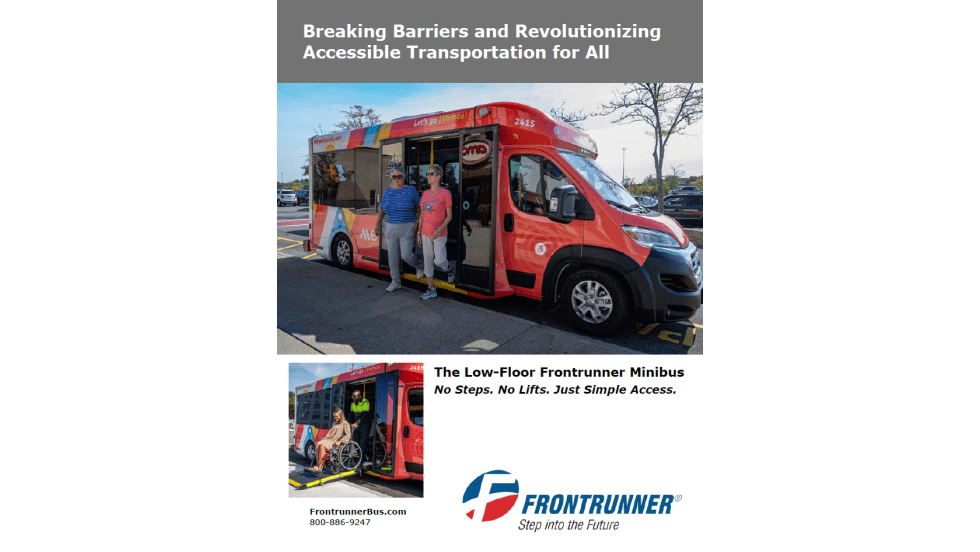
Accessible transit isn’t a feature—it’s a responsibility. This whitepaper explores how the Low-Floor Frontrunner is redefining mobility with a breakthrough design that removes barriers, empowers riders, and delivers measurable operational advantages for agencies. Discover why this next generation minibus is setting a new standard for inclusive transportation.
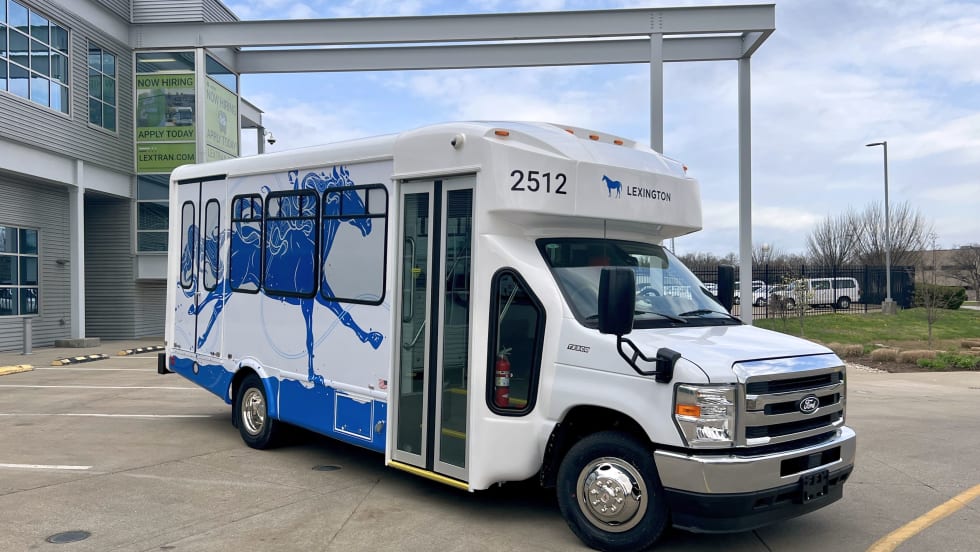
LexRide connects key destinations, including Downtown Lexington, the Distillery District, and the Warehouse Block/National Avenue area, making it easier to explore without worrying about parking, traffic, or multiple rideshare trips.
Sustainability Partners’ Arnold Albiar discusses how a service-based approach is helping airports and public agencies deploy and manage electric fleets more efficiently.
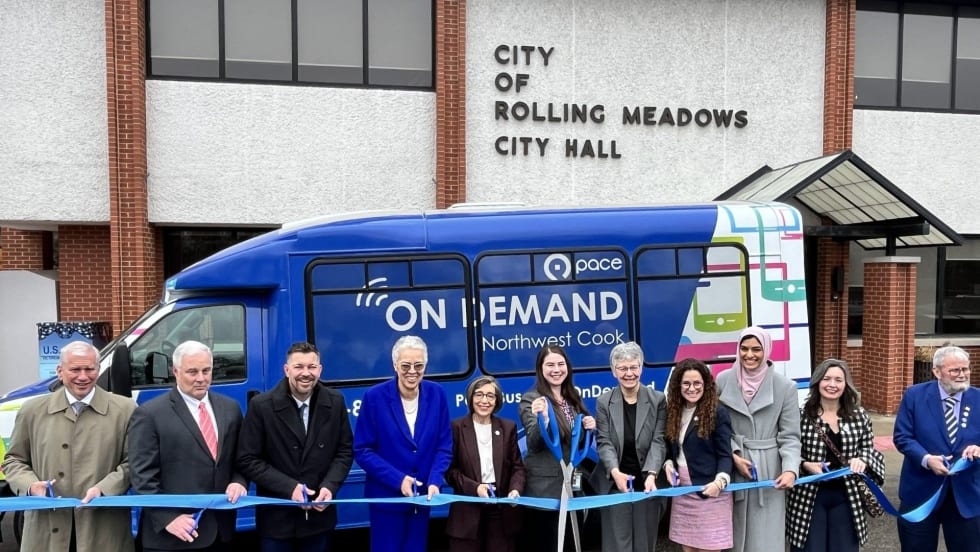
The expanded service builds on Pace’s growing On Demand network and is intended to improve access to destinations such as medical appointments, schools, shopping, employment centers and connections to the regional transit system.
An important part of the authority’s NextGen Bus Network, MARTA Reach will bring transit service directly to the rider’s location and offer a seamless link to the broader rail and bus system.