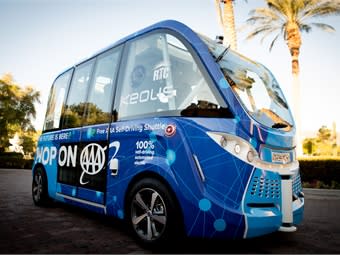
The project comes on the heels of the successful autonomous shuttle that operated on a one-mile loop in downtown Las Vegas from November 2017 to November 2018, which transported more than 32,000 individuals on nearly 5,000 trips.
Keolis
2 min to read
The project comes on the heels of the successful autonomous shuttle that operated on a one-mile loop in downtown Las Vegas from November 2017 to November 2018, which transported more than 32,000 individuals on nearly 5,000 trips.
Keolis
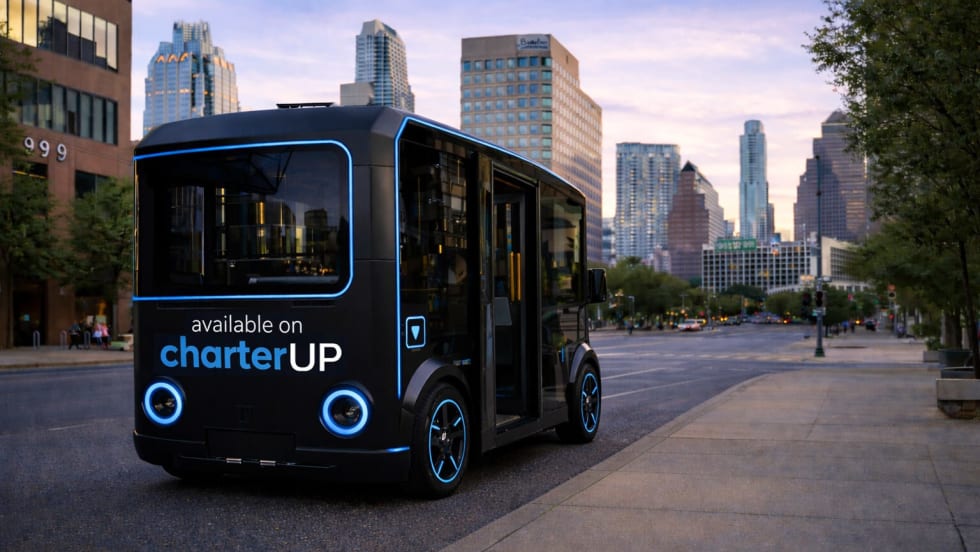
The Regional Transportation Commission of Southern Nevada (RTC) and the City of Las Vegas received a $5.3 million grant from the Federal Highway Administration (FHWA) for the Las Vegas Medical District Automated Circulator and Pedestrian Safety Project, or GoMed, which will connect downtown Las Vegas with the Las Vegas Medical District via four autonomous shuttles.
GoMed, slated to begin service late next year, will demonstrate the ability to apply automated technology in a complex urban setting. The groundbreaking project will feature four autonomous shuttles that will circulate between downtown and the fast growing medical district, comprised of 684 acres of medical facilities that serve nearly 200,000 patients, annually, and will employ about 6,000 individuals by 2020. The district includes four hospitals and the new University of Nevada-Las Vegas School of Medicine campus. The project will also include 23 smart transit shelters upgraded to provide Wi-Fi, information on shuttle arrival times and occupancy, and dynamic wayfinding kiosks.
Ad Loading...
“This forward-thinking grant will further our collaborative efforts to support and develop innovative technologies that enhance safety, mobility, and the quality of life for our residents,” said RTC GM Tina Quigley.
GoMed will enhance safety, particularly for the elderly and persons with disabilities, through the deployment, operation, and analysis of innovative pedestrian safety technologies that connect traffic signals, drivers, passengers, and pedestrians. The project will also produce useful information including alerts about activity at signalized and non-signalized crossings through dashboard analytics, smart phone technology, and/or actual hardware at the intersection.
The project comes on the heels of the successful autonomous shuttle that operated on a one-mile loop in downtown Las Vegas from November 2017 to November 2018, which transported more than 32,000 individuals on nearly 5,000 trips. The RTC and City of Las Vegas partnered on that endeavor with Keolis North America and AAA.
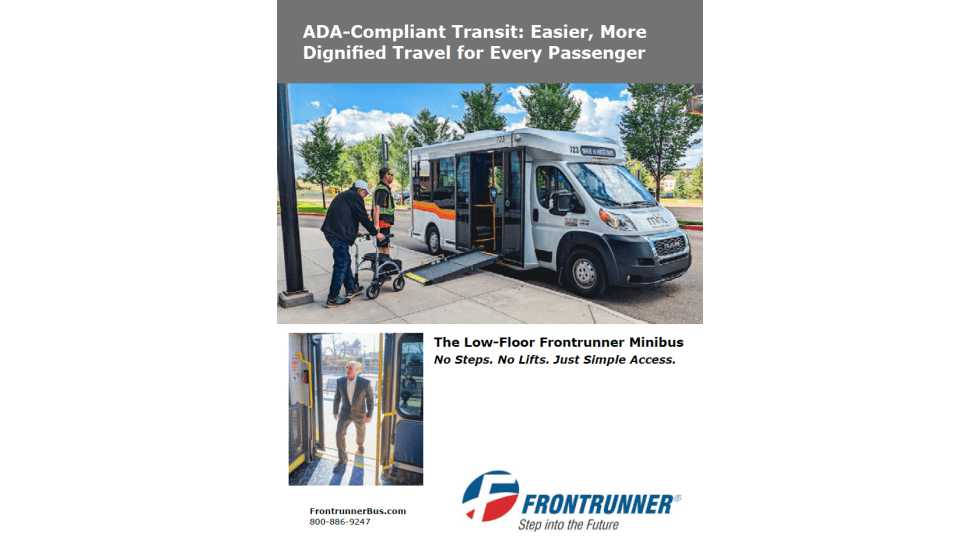
Today’s riders—and the communities you serve—expect more from public transit. While ADA compliance is required, leading transit agencies know that true accessibility also means delivering dignity, efficiency, and a better rider experience. This whitepaper reveals why forward thinking agencies nationwide choose the Low Floor Frontrunner as their first choice for ADA compliant vehicles—setting a new standard with passenger first design, faster boarding, improved safety, and unmatched operational performance.
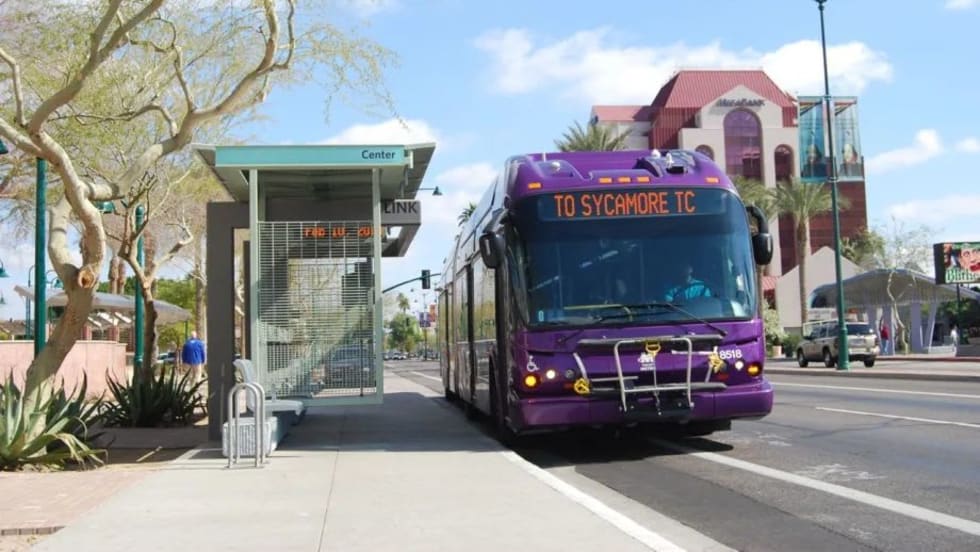
Under this extension, Keolis will continue to manage and operate fixed-route bus service across the East Valley, serving communities including Tempe, Mesa, Chandler, Scottsdale, the town of Gilbert, parts of Phoenix, and the Gila River Indian Community.
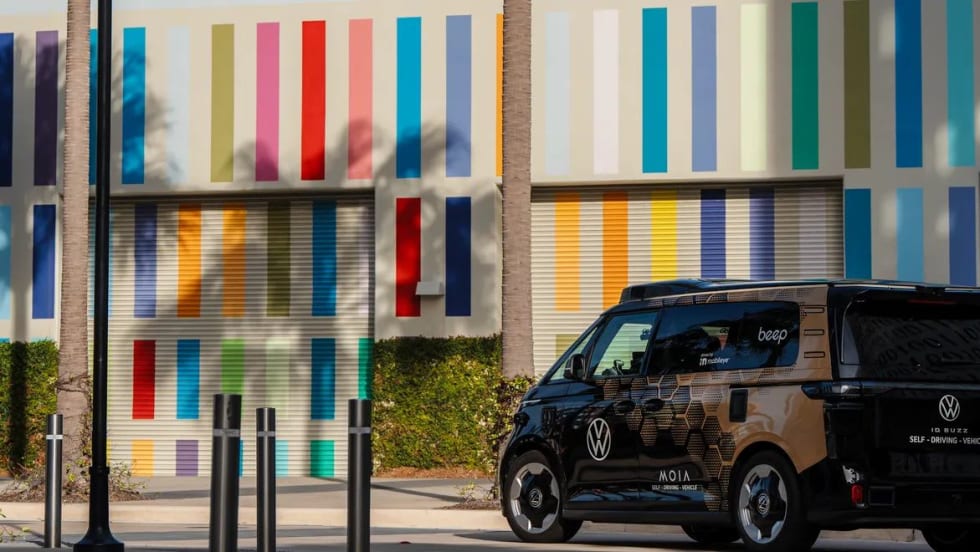
Through the strategic partnership, MOIA America will provide MOIA’s turnkey autonomous mobility solution. This includes purpose-built, autonomous-ready ID. Buzz vehicles equipped with the self-driving system developed by Mobileye, as well as operator training and enablement.
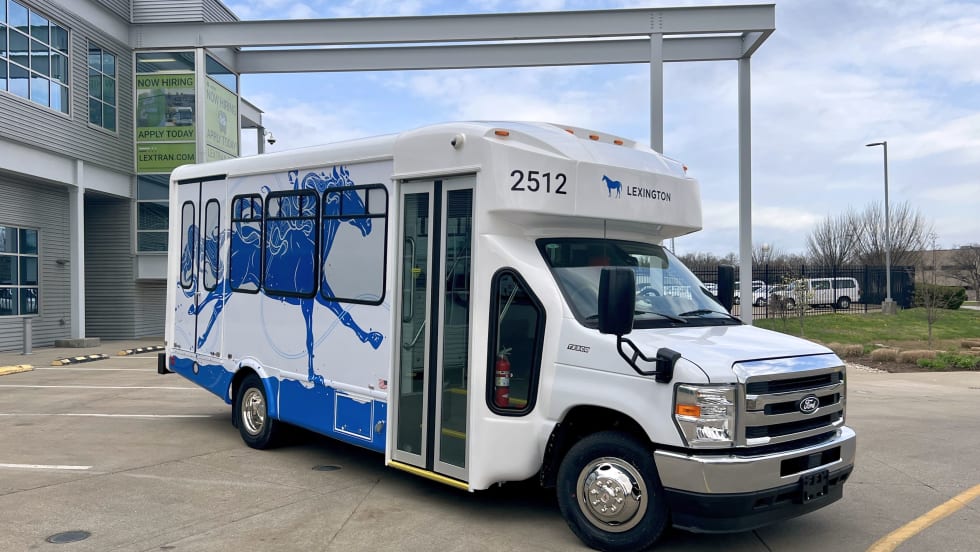
LexRide connects key destinations, including Downtown Lexington, the Distillery District, and the Warehouse Block/National Avenue area, making it easier to explore without worrying about parking, traffic, or multiple rideshare trips.
Sustainability Partners’ Arnold Albiar discusses how a service-based approach is helping airports and public agencies deploy and manage electric fleets more efficiently.
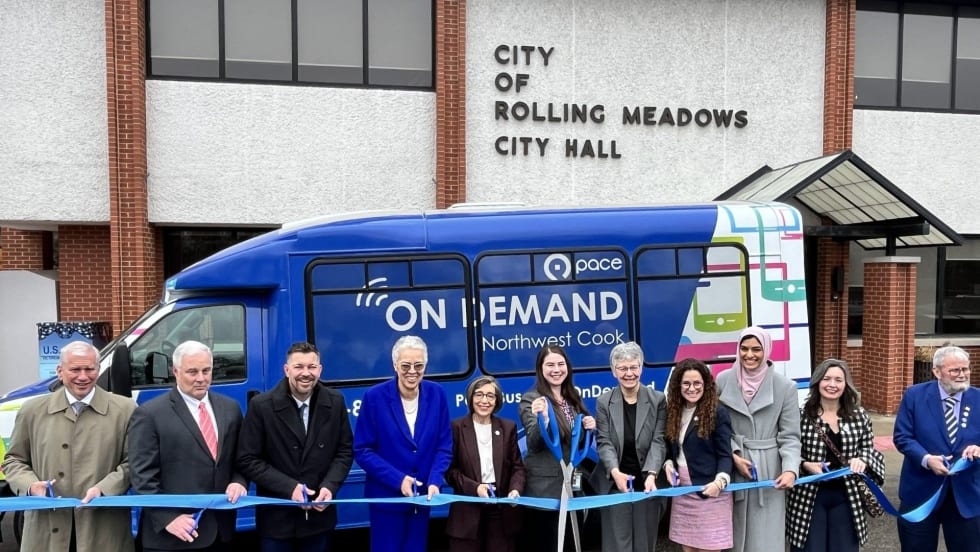
The expanded service builds on Pace’s growing On Demand network and is intended to improve access to destinations such as medical appointments, schools, shopping, employment centers and connections to the regional transit system.
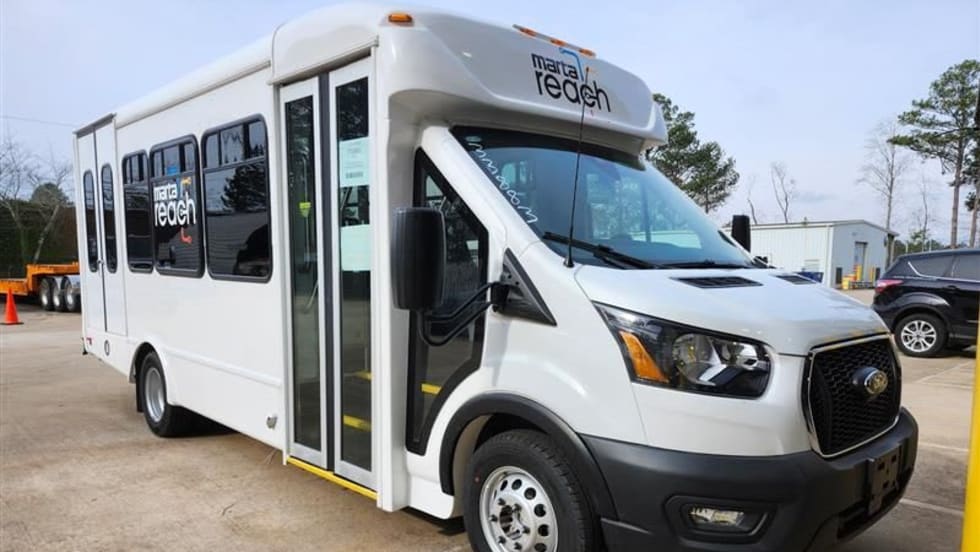
An important part of the authority’s NextGen Bus Network, MARTA Reach will bring transit service directly to the rider’s location and offer a seamless link to the broader rail and bus system.