



Report offers recommendations for safe micromobility
A new study by the International Transport Forum examines safety aspects associated with e-scooters and other micro-vehicles.
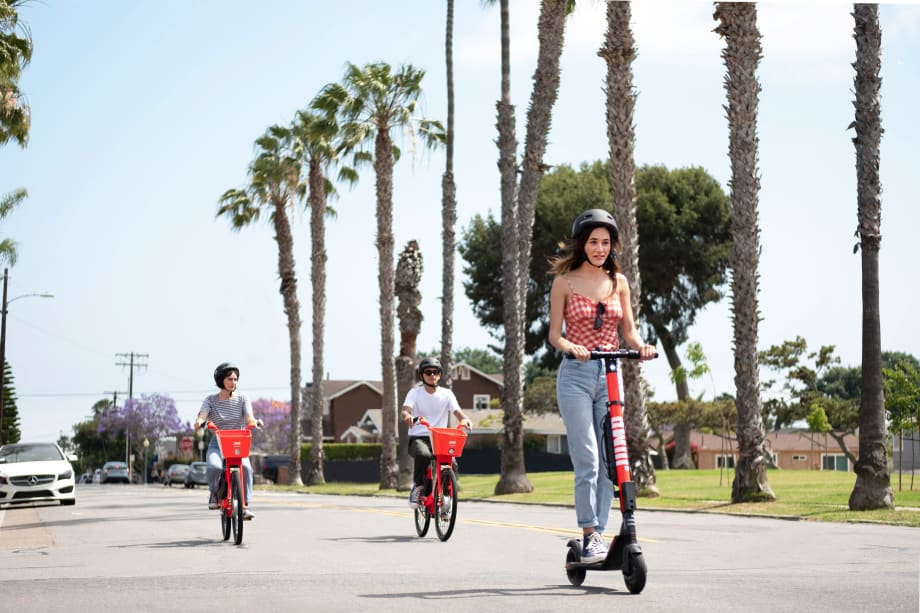

Micro-vehicles should be banned from sidewalks or subject to a low, enforced speed limit, according to recommendations. Jump
(This story originally ran in Feb., 18, 2020)
Electric scooters, e-bikes, motorized skateboards and other light personal mobility devices have become hugely popular for short trips. But is micromobility safe? A new report published by the International Transport Forum finds that:
E-scooter riders do not face significantly higher risk of road traffic death or injury than cyclists.
Motor vehicles are involved in 80% of fatal crashes with e-scooters and bicycles.
Traffic will be safer if e-scooter and bicycle trips replace travel by car or motorcycle.
The fast-paced evolution of micro-vehicles challenges governments to put in place safety regulations that are future-proof.
How can authorities help ensure that micro-vehicle riders and pedesrians will not become crash victims?
The report offers ten recommendations for policy makers, city planners, operators and manufacturers:
1. Allocate protected space for micromobility
Create a protected and connected network for micromobility. This can be done by calming traffic or by creating dedicated spaces. Micro-vehicles should be banned from sidewalks or subject to a low, enforced speed limit.
2. To make micromobility safe, focus on motor vehicles
The novelty of e-scooters should not distract from addressing the risk motor vehicles pose for all other road users. Where vulnerable road users share space with motor vehicles, speed limits should be 30 km/h or less.
3. Regulate low-speed micro-vehicles as bicycles
Micromobility can make urban travel more sustainable. To prevent over-regulation, low-speed micro-vehicles such as e-scooters and e-bikes should be treated as bicycles. Faster micro-vehicles should be regulated as mopeds.
4. Collect data on micro-vehicle trips and crashes
Little is known about micro-vehicles’ safety performance. Police and hospitals should collect accurate crash data. Road safety agencies should collect trip data via operators, travel surveys and on-street observation. The statistical codification of vehicle types must be updated and harmonised.
5. Proactively manage the safety performance of street networks
Many shared micro-vehicles posess motion sensors and GPS. These can yield useful data on potholes, falls and near crashes. Authorities and operators should collaborate to use them for monitoring and maintenance.
6. Include micromobility in training for road users
Training for car, bus and truck drivers to avoid crashes with micro-vehicle riders should be mandatory. Cycle training should be part of the school curriculum. Training programmes should be regularly evaluated and revised.
7. Tackle drunk driving and speeding across all vehicle types
Governments should define and enforce limits on speed, alcohol and drug use among all traffic participants. This includes motor vehicle drivers and micromobility users.
8. Eliminate incentives for micromobility riders to speed
Operators of shared micromobility fleets should ensure their pricing mechanisms do not encourage riders to take risks. By-the-minute rental can be an incentive to speed or to ignore traffic rules.
9. Improve micro-vehicle design
Manufacturers should enhance stability and road grip. Solutions could be found in pneumatic tires, larger wheel size and frame geometry. Indicator lights could be made mandatory and brake cables better protected.
10. Reduce wider risks associated with shared micromobility operations
The use of vans for re-positioning or re-charging micro-vehicles should be minimised, as they impose additional risks on all road users. Cities should allocate parking space for micro-vehicles close to bays for support vans.
The “Safe Micromobilty” study was carried out in the context of a project initiated and funded by the ITF Corporate Partnership Board (CPB). CPB projects are designed to enrich policy discussion with a business perspective. Led by the ITF, work is carried out in working groups consisting of CPB member companies, external experts and ITF researchers. The CPB member companies involved in this project were Bird, Bosch, Grin, Incheon Airport, Kapsch TrafficCom AG, Michelin, PTV Group, Toyota and Uber.
More New Mobility
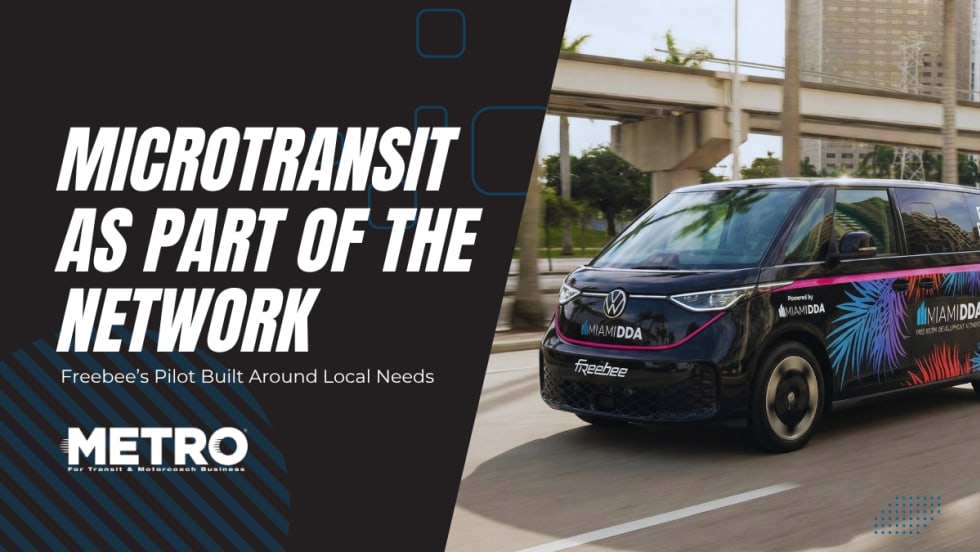
Microtransit's Next Test: Becoming Part of the Network
Freebee shows how electric microtransit is moving beyond pilots to fill network gaps, connect riders to transit, and prove lasting value.
Read More →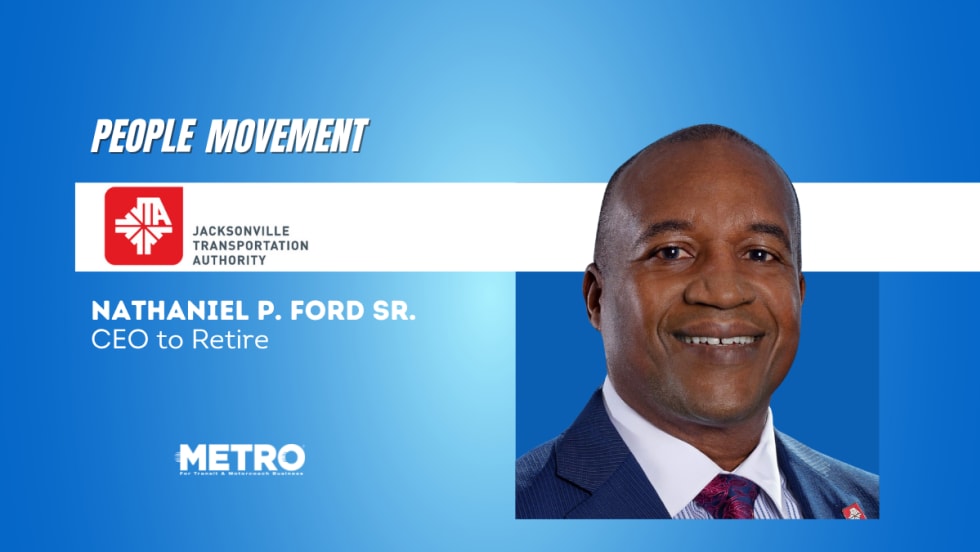
Ford to Leave JTA After More Than 10 Years as CEO
He plans to continue his work advancing innovative mobility solutions to improve the quality of life in communities across the nation. He did not announce specific plans.
Read More →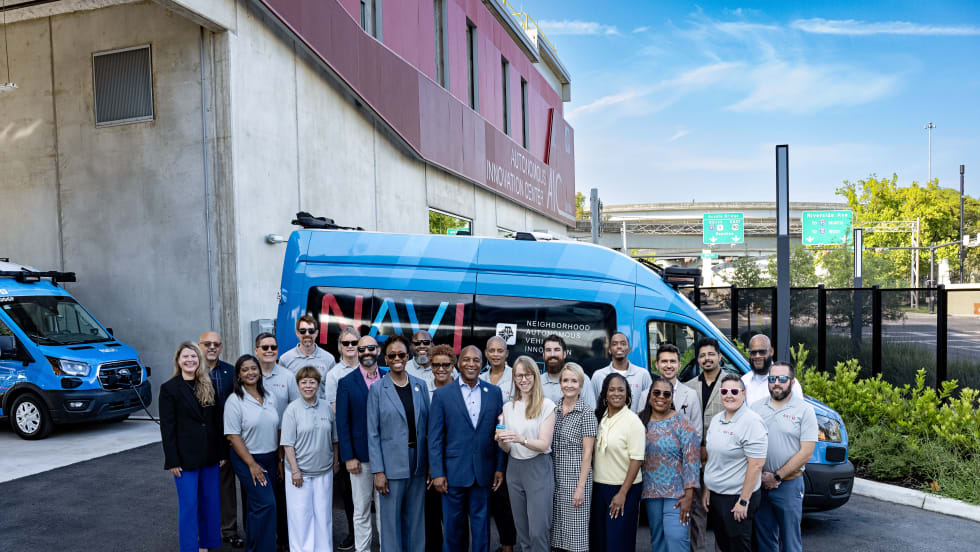
Florida's JTA Marks One Year NAVI Anniversary
During its first year of operation, NAVI has transported over 15,200 passengers and traveled more than 61,000 miles in autonomous mode without a safety incident caused by the autonomous driving system.
Read More →
SEPTA Board Approves FY2027 Budget Amid Funding Challenges
The spending plan represents an increase of just 1.9% over the current year and includes investments in new buses, additional full-length fare gates, and other customer enhancements.
Read More →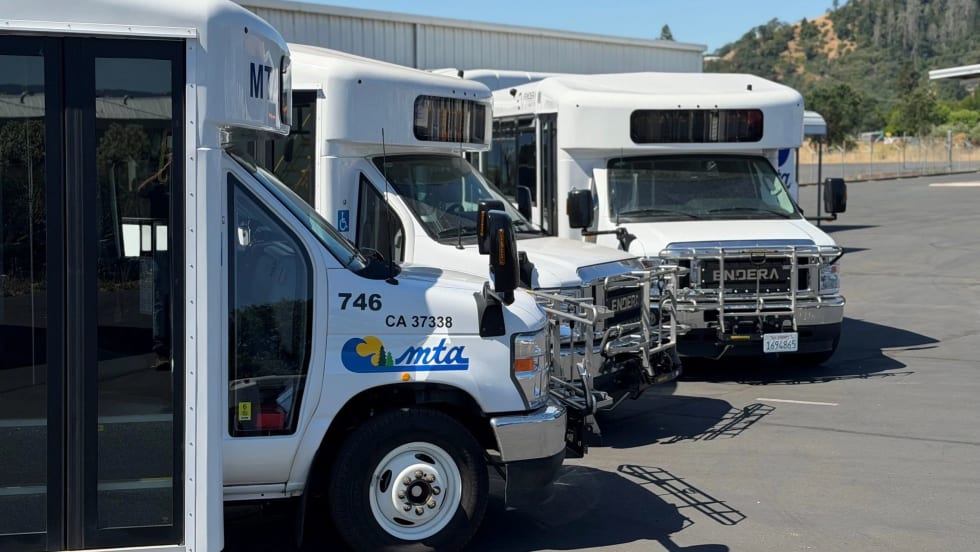
Biz Briefs: Endera Delivers to California, Safety Vision Teams with San Antonio's VIA, and More
From manufacturers and suppliers to transit agencies and motorcoach operators, these updates offer a snapshot of the projects, partnerships and business moves driving the industry forward.
Read More →
Modernizing Mobility with CharterUP CEO Armir Harris
From digital transformation to evolving customer demands, CharterUP's Armir Harris offers his perspective on the transportation industry's next chapter.
Read More →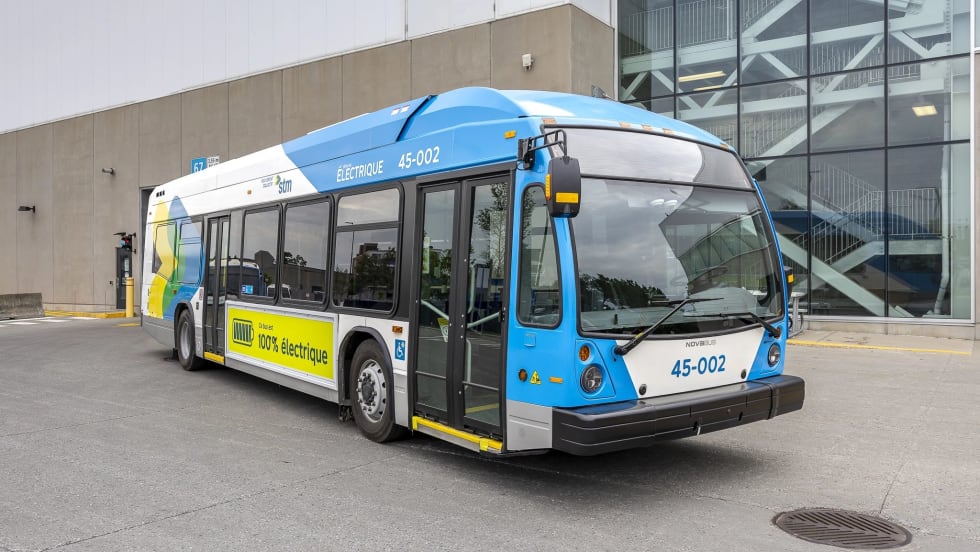
Biz Briefs: Montréal Debuts Nova Electric Buses and More
In this edition of Biz Briefs, we spotlight the latest developments shaping the future of mobility.
Read More →
6 Transit Management Lessons for Colleges and Universities Facing Seasonal Demand Swings
College transportation demand swings wildly throughout the year. Fleet strategies are starting to catch up.
Read More →
METROspectives: CharterUP CEO Armir Harris on Modernizing Mobility
From digital transformation to evolving customer demands, CharterUP's CEO Armir Harris offers his perspective on the transportation industry's next chapter.
Read More →Joshua Schank on Transportation Innovation, Risk, and the Future of Mobility
In this edition of METROspectives, Joshua Schank discusses lessons from launching LA Metro’s Office of Extraordinary Innovation, the challenges of advancing new mobility technologies, and much more.
Read More →