



ABA urges Congress to fix 'broken' inspection process
Believes the failure of federal and state agencies to enact a comprehensive national and uniform inspection structure in all 50 states, is not a failure of regulation but a failure of prioritization and enforcement.

Kevin McCoy

Kevin McCoy
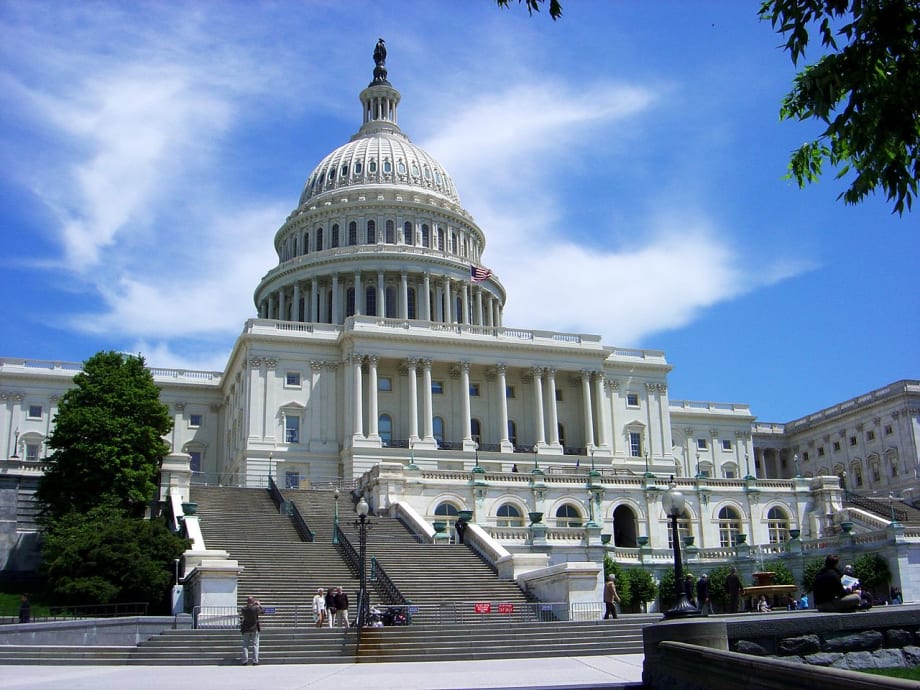
The American Bus Association (ABA) told the Committee on Transportation and Infrastructure’s Subcommittee on Highways and Transit the current Federal/State partnership for motorcoach inspections is “broken,” which potentially could put passengers at risk.
ABA also said safe, well-run, high-profile local and national carriers are repeatedly being inspected to increase the government's vehicle and company inspection totals. But, at the same time, many unsafe and illegal operators are continuing to avoid detection because inspectors are not focusing on those companies, claiming they are too difficult to find.
Motor carrier inspections and enforcement are primarily achieved through a partnership between the federal government and a mixture of specially trained state and local enforcement programs. These programs are federally funded as part of the Motor Carrier Safety Assistance Program, known as MCSAP. Its goal is to reduce Commercial Motor Vehicle (CMV) involved crashes, fatalities, and injuries through consistent, uniform and effective CMV safety programs.
ABA believes motorcoach inspections are not uniformly conducted among the states. Some states do them, but others do not. Also, some states with large numbers of motorcoach companies or motorcoach visited destinations, have a low number of motorcoach inspections. These “safe harbors” are known within the industry by unsafe motorcoach operators wishing to escape inspections. ABA believes only a national, ongoing uniform inspection and targeted enforcement structure can ensure passenger safety and create a level playing field for bus operators.
ABA believes the failure of federal and state agencies to enact a comprehensive national and uniform inspection structure in all 50 states, is not a failure of regulation but a failure of prioritization and enforcement.
As the industry leader, ABA is making the following recommendations.
Setting aside money for bus inspections and inspector training to ensure the elimination of these “safe harbor” states.
The establishment of a bus inspection program in every state that includes training for, and testing of, inspectors specifically for motorcoaches. ABA supports a provision in the funding guidance requiring the Secretary of Transportation to rescind a portion of funding, for a given state if that state fails to enact a credible bus inspection program. It also authorizes the contracting of third party inspectors.
Granting guidance favoring targeted inspections of carriers with a history of poor safety standards over repeated inspections of the same carriers.
ABA supports the implementation of the Federal law known as MAP-21 (Moving Ahead for Progress in the 21st Century) provisions requiring a review of the effectiveness of the commercial motor vehicle inspection program, as it relates to passenger carriers.
Ending the practice of illegal weigh station inspections and ensure operators are safe and compliant before the passengers board vehicles.
More Motorcoach

Report: Canadian Motorcoach Industry Generates $4.4B in Economic Impact
The 2025 Motorcoach Economic Impact Report finds motorcoach travel supported nearly 25,000 jobs and generated $980 million in federal, provincial, and local taxes.
Read More →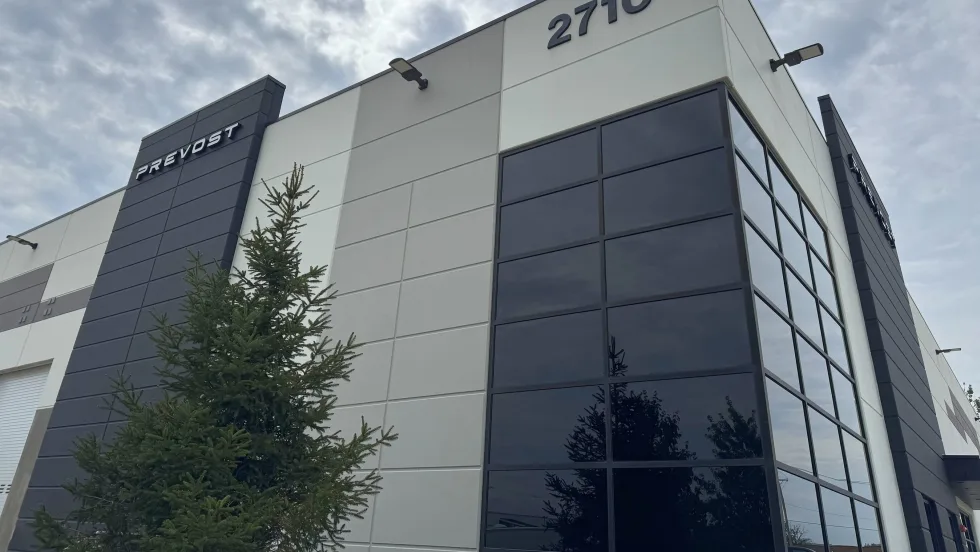
Prevost Opens Expanded Chicago-Area Service Center
The $8.1 million Elk Grove Village investment nearly triples facility space while adding service capacity, parts storage, and customer amenities.
Read More →
People Movement: Dan Dipert Coaches Adds Third-Generation Leader, Keolis Names New Valley Metro VP/GM, and More
In this edition, we also cover recent appointments and announcements at the Wabtec, SilverRide, HNTB, and more, showcasing the individuals helping to shape the future of transportation.
Read More →
METRO Opens Submissions for 2026 Motorcoach Awards
Nominations are now being accepted for METRO Magazine’s Operator of the Year and Innovative Operator of the Year awards.
Read More →
Biz Briefs: Alstom Lands Canadian Contract, LYT to Supply California TSP, and More
In METRO's latest installment, we take a look at recent news from Complete Coach Works, Beep, FlixBus, and more partnerships making headlines across the transportation sector.
Read More →
Biz Briefs: RIPTA Unveils New Frontrunners, Clevland RTA Adds New Siemens, and More
In METRO's latest installment, we take a look at recent news from Siemens, Prevost, Dodge, and more partnerships making headlines across the transportation sector.
Read More →
People Movement: Holly Arnold Joins Transdev and More
In this edition, we also cover recent appointments and announcements at Pace, CamTran, MCI, and more, showcasing the individuals helping to shape the future of transportation.
Read More →
ABA Report: Motorcoach Travel Generates $161.6B Economic Impact
The 2025 analysis finds motorcoach travel supported nearly 900,000 jobs and generated $28 billion in federal, state, and local taxes.
Read More →
CharterUP’s Armir Harris on Technology, AI, and the Future of Group Mobility
In a recent episode of METROspectives, CharterUP Founder/CEO Armir Harris discussed the company’s evolution from an online charter bus marketplace into a technology platform supporting public- and private-sector mobility and much more.
Read More →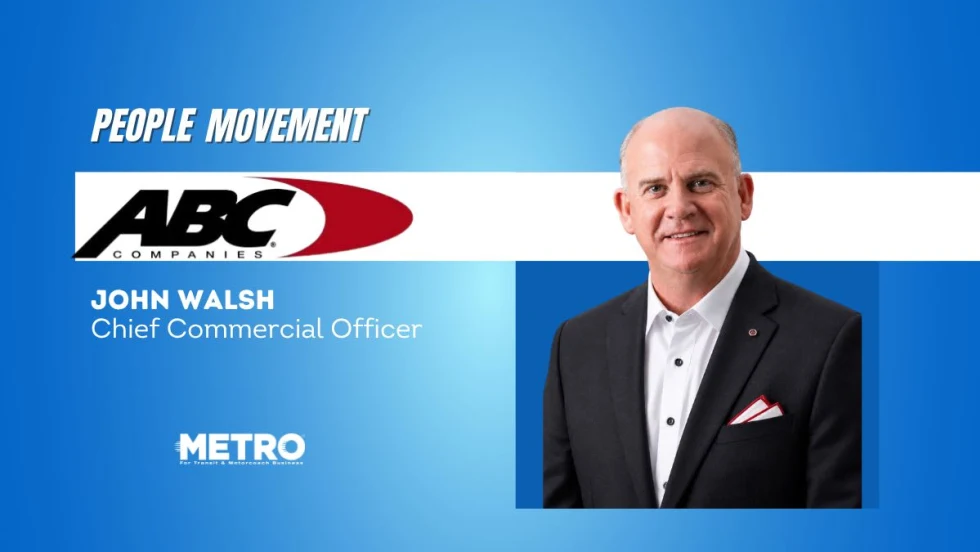
People Movement: ABC Names John Walsh as Chief Commercial Officer
In this edition, METRO also covers recent appointments and announcements at the DART, STV, and more, showcasing the individuals helping to shape the future of transportation.
Read More →