



Air Pollution Could Help London Transport Planners Fight COVID-19
Researchers have published their findings in Science of The Total Environment, highlighting that using public transport in the UK during a pandemic outbreak has a six-fold increased risk of contracting an acute respiratory infection.
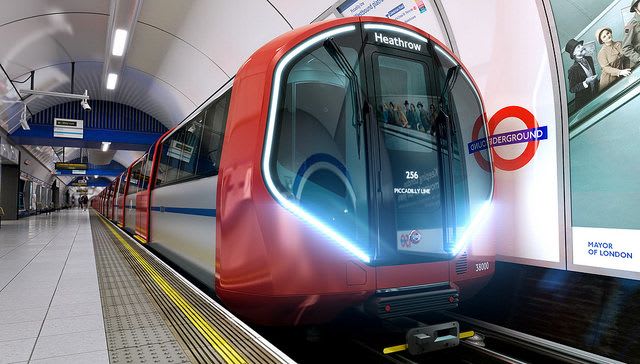
Scientists have earlier found the greatest PM2.5 concentrations across the London Underground network on the Victoria Line (16 times higher than the roadside environment), followed by the Northern, Bakerloo, and Piccadilly lines.
TfL
Measuring air quality across London could help fight COVID-19 by providing a rapid means of deciding whether to reduce public transport movement — given strong links between exposure to air pollution and COVID-19 transmission, a new study reveals.
Analysis of air pollution, COVID-19 cases and fatality rates in London demonstrates a connection between increased levels of nitrogen dioxide (NO2) and particulate matter (PM2.5) and higher risk of viral transmission.
Scientists at the Universities of Birmingham and Cambridge say that this shows air pollution could be used as an indicator to rapidly identify vulnerable parts of a city such as London — informing decisions to suspend or reduce operation of buses, trains, and Underground.
Researchers have published their findings in Science of The Total Environment, highlighting that using public transport in the UK during a pandemic outbreak has a six-fold increased risk of contracting an acute respiratory infection.
City boroughs with access to London Underground interchange stations also have higher pandemic case rates as users are exposed to higher number of individuals compared to through stations.
“Short-term exposure to NO2 and PM2.5is significantly linked to an increased risk of contracting and dying from COVID-19. Exposure to such air pollutants can compromise lung function and increase risk of death from the virus,” said Report Author Dr. Ajit Singh, from the University of Birmingham. “Levels of airborne PM2.5in the London Underground during summer are often several times higher than other transport environments such as cycling, buses, or cars. We recommend a strategy that tailors the level of public transport activity in cities like London according to COVID-19 vulnerability based on air pollution levels across the city. This could help decision-makers take the right measures to counter COVID-19 in London — for example deploying transport staff and arranging dedicated services for key workers.”
Scientists have earlier found the greatest PM2.5 concentrations across the London Underground network on the Victoria Line (16 times higher than the roadside environment), followed by the Northern, Bakerloo, and Piccadilly lines.
Routine cleaning and maintenance of the London Underground ranges from litter removal to preventing safety incidents rather than reducing PM concentrations.
Co-Author Dr. Manu Sasidharan, of the University of Cambridge, commented: “Human-mobility reduction measures provide the greatest benefit in the fight against COVID-19. We need to balance the public health benefits of closing public transport during a pandemic against the socio-economic impacts of reducing mobility. Determining the vulnerability of city regions to coronavirus might help to achieve such trade-offs — air pollution levels can serve as one of the indicators to assess this vulnerability.”
The number of positive COVID-19 cases considered in the study were only those reported at hospitals — it does not include people self-isolating due to COVID-19.
More New Mobility

Public Transit Conference Returning to GFX in 2027, Call for Papers Now Open
The Call for Papers is now open, allowing transit agency professionals and industry experts to help shape the PTC educational program by submitting session ideas for consideration.
Read More →
Everett Transit, Community Transit Outline Consolidation Agreement
The proposed agreement calls for a 50% increase in bus service in Everett, a new microtransit zone, continued paratransit service, and the transfer of Everett Transit operations to Community Transit.
Read More →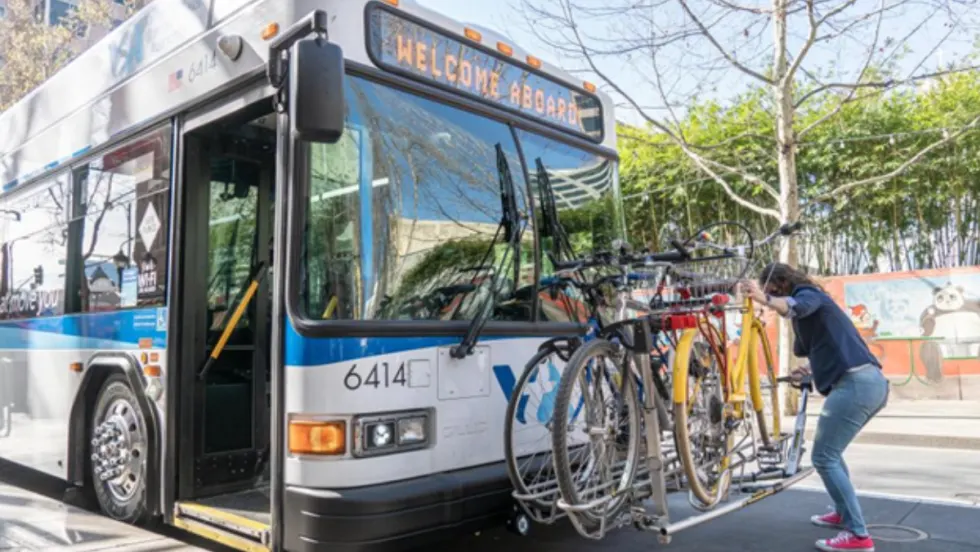
What Multimodal Data Can Tell Transit Agencies About Rider Demand
See how bike-on-bus data is giving transit agencies new insight into rider demand, capacity constraints, and gaps in first- and last-mile connections.
Read More →
From Hardware to Digital Partner: Luminator Charts Its Next Chapter
CEO Magnus Friberg discusses Luminator’s shift toward becoming a digital partner, the growing importance of software and interoperability, and how AI can help agencies improve operations and passenger experience.
Read More →
Biz Briefs: Alstom Lands Canadian Contract, LYT to Supply California TSP, and More
In METRO's latest installment, we take a look at recent news from Complete Coach Works, Beep, FlixBus, and more partnerships making headlines across the transportation sector.
Read More →
CharterUP’s Armir Harris on Technology, AI, and the Future of Group Mobility
In a recent episode of METROspectives, CharterUP Founder/CEO Armir Harris discussed the company’s evolution from an online charter bus marketplace into a technology platform supporting public- and private-sector mobility and much more.
Read More →
Jacksonville’s NAVI Project Charts a New Course for Autonomous Public Transportation
Through its NAVI program, JTA is showing how autonomous vehicles, intelligent infrastructure, and coordinated operations can work together to deliver everyday public transportation.
Read More →
Biz Briefs: Luminator Marks Milestone and More
From manufacturers and suppliers to transit agencies and motorcoach operators, these updates offer a snapshot of the projects, partnerships and business moves driving the industry forward.
Read More →
New Tricks for Old Bureaucracies: Joshua Schank on Making Transit Innovation Stick
Former LA Metro Chief Innovation Officer Joshua Schank discusses why good ideas aren't enough, how transit agencies can overcome resistance to change, and why today's challenges demand more innovation.
Read More →
How DART's GoPass Is Redefining Regional Mobility
Serving 14 transit agencies, GoPass simplifies multimodal travel by allowing riders to plan, pay for, and manage an entire trip through one app.
Read More →