



Alstom receives first order for Aptis electric buses
The vehicles requested by Strasbourg are designed for slow charging, at night in the depot.

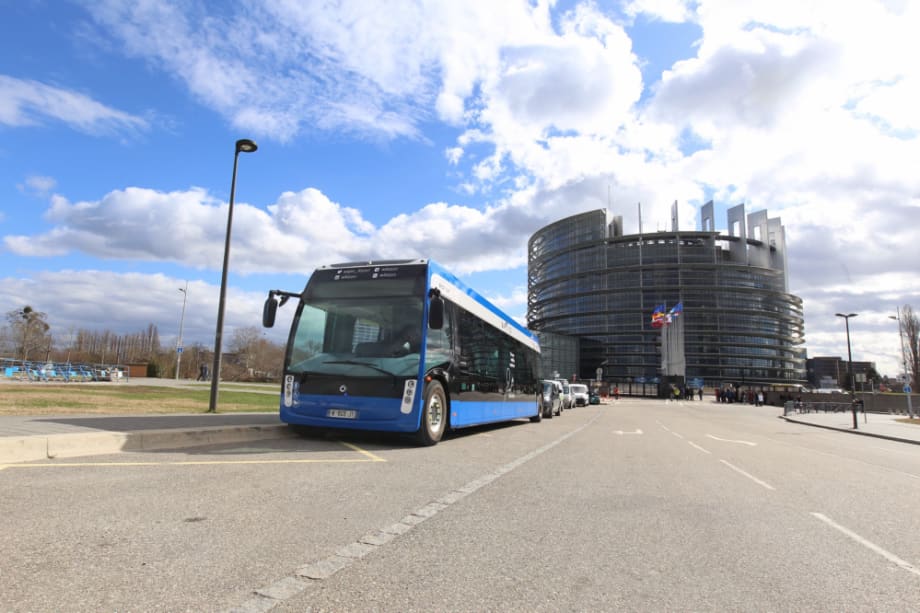
Since the prototype was presented in March 2017, more than 24,000 miles have been covered in real operating conditions by four test vehicles en France and in Europe.
Alstom/Jean Schweitzer
Since the prototype was presented in March 2017, more than 24,000 miles have been covered in real operating conditions by four test vehicles en France and in Europe.
Alstom/Jean Schweitzer
Alstom received its very first order for its 100%-electric bus, Aptis, from France’s Strasbourg transport company CTS (Communauté des Transports Strasbourgeois). The contract is for 12 Aptis buses, each approximately 40-feet long and equipped with three doors. The Aptis buses will be the first electric buses to reinforce CTS’s vehicle fleet.
Aptis offers an unrivalled passenger experience, according to Alstom. Its berthing system for perfect alignment with the pavement, its fully low and completely flat floor and wide double doors permit easy circulation and convenient boarding for people with reduced mobility and prams. Equipped with large bay windows along its entire length, Aptis offers 25% more windowed surfaces than a standard bus, and a rear seating area with panoramic views of the city.
The vehicles requested by Strasbourg are designed for slow charging, at night in the depot. Aptis is also available for charging at the end of each line whenever necessary, using solutions of ground-based charging (SRS) or charging through the top (inversed pantograph).
Since the prototype was presented in March 2017, more than 24,000 miles have been covered in real operating conditions by four test vehicles en France and in Europe. The trials have made it possible to test the characteristics of Aptis, inspired by the tram, in a new context, its insertion performances, its capacity for autonomy, and its driving assistance system. Aptis won the Innovation award at the Busworld trade show in 2017. It also received the official certificate Origine France Garantie in January 2019; this certificate guarantees that more than 60% of Aptis' added value is French.
More Technology
New York MTA Launches Historic $1.9B Signal, Track Modernization Project
Funded in part by congestion pricing revenue, the project will replace nearly century-old signals along the A and C lines in Brooklyn and Queens.
Read More →
Biz Briefs: New Electric Offering from Alexander Dennis/Volvo, Transdev in Boston, and More
In METRO's latest installment, we also take a look at recent news from STV, WSP, Prevost, and more partnerships making headlines across the transportation sector.
Read More →
Roman Cornell on ABC Companies’ Evolution and the Future of Passenger Transportation
The company’s CEO discusses carrying forward a third-generation family legacy, ABC’s continued evolution in passenger transportation, support for increasingly complex fleets, and how technology and continued investment could help operators improve uptime.
Read More →
ETA CEO John Maglio on Transit Technology, Innovation, and Building Agency Trust
ETA founder and CEO John Maglio explores the evolution of transit technology, the importance of reliable systems, and how stronger partnerships can help agencies improve operations and the passenger experience.
Read More →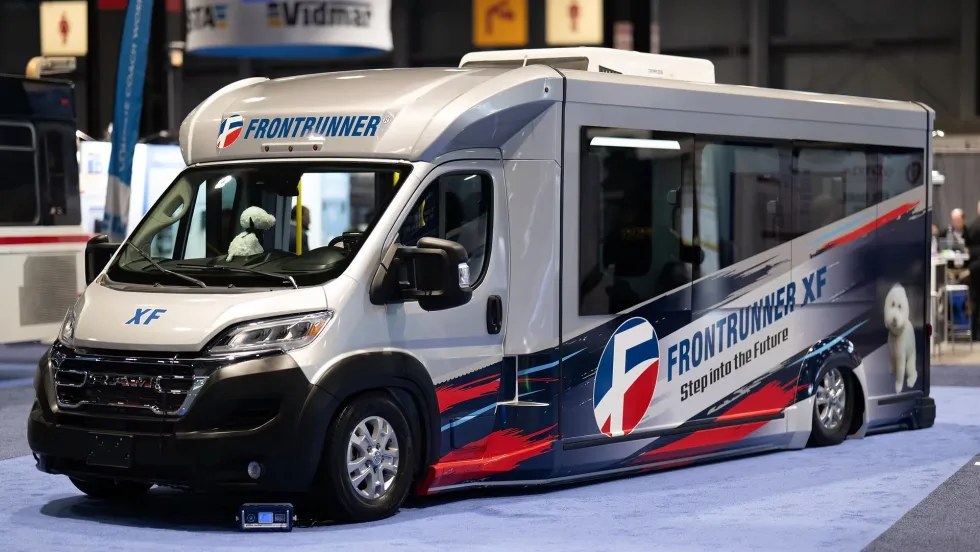
Frontrunner Bus Group Introduces XF Low-Floor Bus with Enhanced Accessibility
The new mid-sized bus features a full flat-floor design, eight-inch curbside step-in height, and zero-entry rear ramp to improve passenger access and operational flexibility.
Read More →
Building a Flexible Path to Transit Electrification with BAE's John Hroncich
John Hroncich discusses BAE Systems’ modular and scalable approach, lessons learned from decades of real-world operations, and how agencies can identify electrification strategies that fit their fleets.
Read More →
Scenes from APTA TRANSform & EXPO 2026
Transit leaders, manufacturers, and industry professionals gathered in Chicago to explore new technologies, share ideas, and discuss the future of public transportation.
Read More →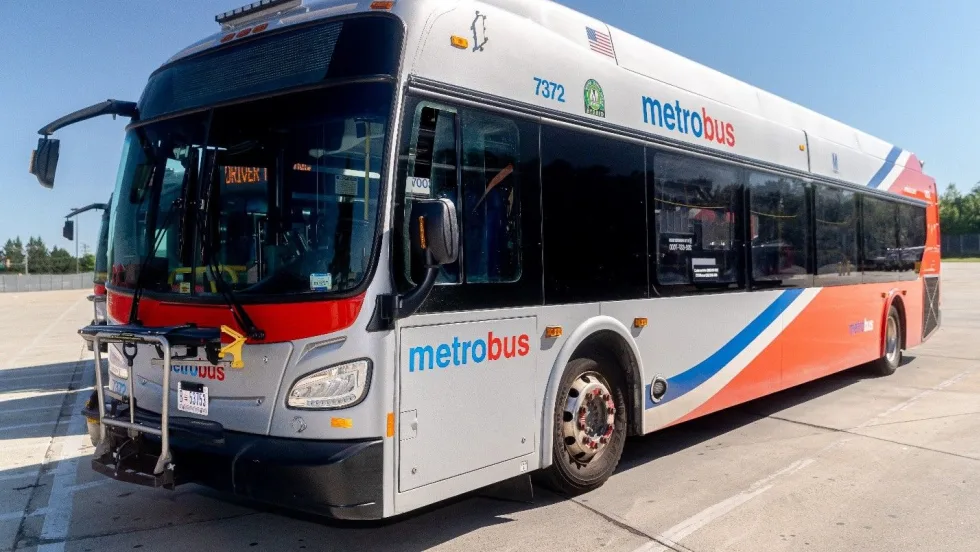
Biz Briefs: New Flyer Secures Additional 100-Bus Order from WMATA and More
In METRO's latest installment, we also take a look at recent news from Masabi, MCI, Samsara, and more partnerships making headlines across the transportation sector.
Read More →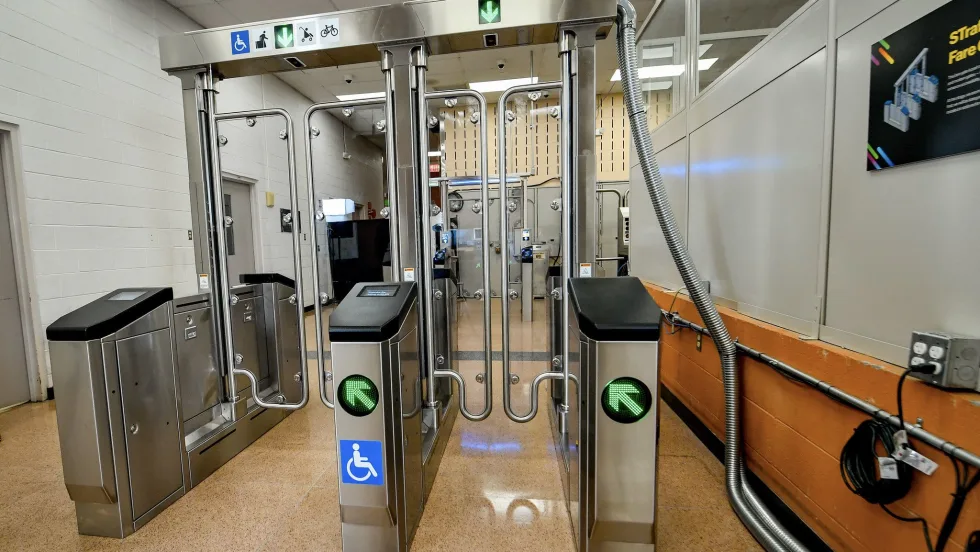
MTA Fare Gate Pilot Reduces Fare Evasion by 35%
Following a 20-station pilot, the agency plans to install new fare gates at 20 additional subway stations as part of a $1.1 billion modernization initiative.
Read More →
California Law Extends AC Transit’s Bus Lane Camera Enforcement
The new law allows AC Transit to continue using forward-facing bus cameras to enforce parking violations in bus-only lanes and at bus stops.
Read More →