



Amtrak to make major upgrades in 2010
Plans include replacing and expanding fleet of locomotives and passenger railcars with the purchase of several hundred single-level and bi-level long distance passenger railcars and more than a hundred locomotives.

Amtrak will mark 2010 with major projects and new initiatives that will benefit passengers, increase service and rebuild infrastructure. .
“Amtrak enters 2010 with a strong sense of optimism, enthusiasm and purpose,” said President and CEO Joseph Boardman. “We have an aggressive game plan to modernize, renew, and grow America’s passenger railroad,” he said, noting increasing ridership from 21.6 million in FY 2002 to 27.2 million in FY 2009, with an all-time record of 28.7 million in FY 2008.
Boardman explained that numerous projects and initiatives being undertaken in 2010 support goals established in Amtrak’s new strategic guidance including becoming safer, greener and healthier and improving financial performance, customer service and meeting national needs.
Boardman added that Amtrak is partnering with 25 states in support of more than 100 projects submitted for funding from the $8 billion made available by the American Recovery and Reinvestment Act (ARRA) for intercity and high-speed rail capital improvement grants. An announcement from the U.S. Department of Transportation on which projects have been selected
is expected this winter.
During 2010, Amtrak also will undertake track and bridge construction projects, safety and security enhancements, and will release a plan to replace and expand its locomotive and passenger railcar fleet, among many other projects and initiatives.
Highlights of major activities Amtrak will begin, continue or complete during the coming year include:
Major infrastructure improvement projects funded by $1.3 billion in ARRA funds.
ARRA-funded renovation of the station in Wilmington, Del.; expansion of the Auto Train station in Sanford, Fla.; restoration of locomotives and passenger railcars in Beech Grove, Ind., and Bear, Del.; improved emergency exits and fire detection and suppression systems in New York tunnels; and enhanced accessibility at more than 200 rail stations across the country.
A new plan to replace and expand their fleet of locomotives and passenger railcars with the purchase of several hundred single-level and bi-level long distance passenger railcars and more than a hundred locomotives.
Undertaking an in-depth evaluation of the poorest performing long-distance routes to identify and implement changes where possible to improve key measures such as customer service, ridership, and financial performance.
Installing Positive Train Control and enhancing safety by the end of 2012 — three years ahead of a Congressional deadline for the rail industry — on sections of Amtrak-owned tracks not already equipped with the sophisticated technology capable of controlling train movements to prevent collisions.
Strengthening security. Amtrak passengers will see a more interactive police and security presence in 2010 with greater emphasis on random and unpredictable patrols, baggage screenings and other activities in stations and on trains. Amtrak will continue to expand its K-9 explosive detection teams, harden stations and strengthen cooperative inter-agency operations with local, state, and federal law enforcement and counterterrorism partners.
More Rail
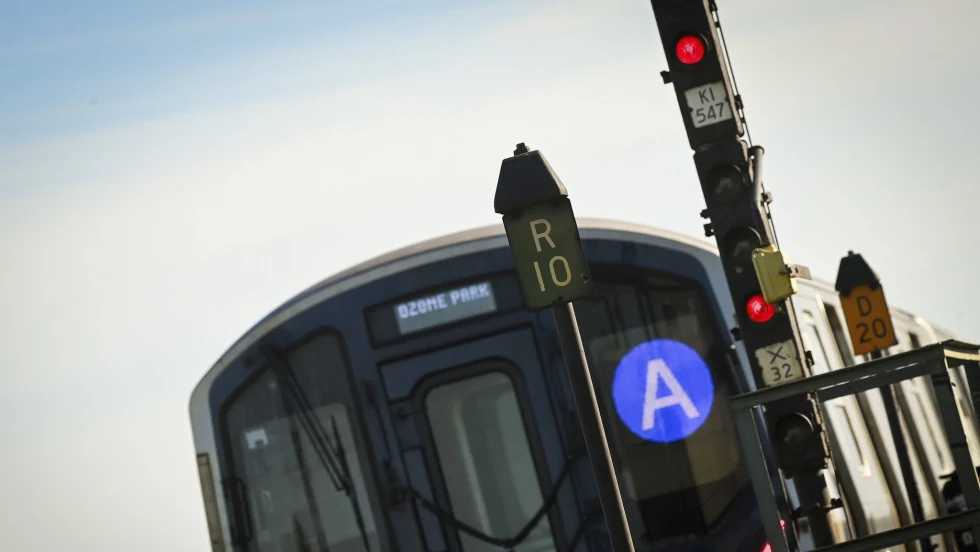
New York MTA Launches Historic $1.9B Signal, Track Modernization Project
Funded in part by congestion pricing revenue, the project will replace nearly century-old signals along the A and C lines in Brooklyn and Queens.
Read More →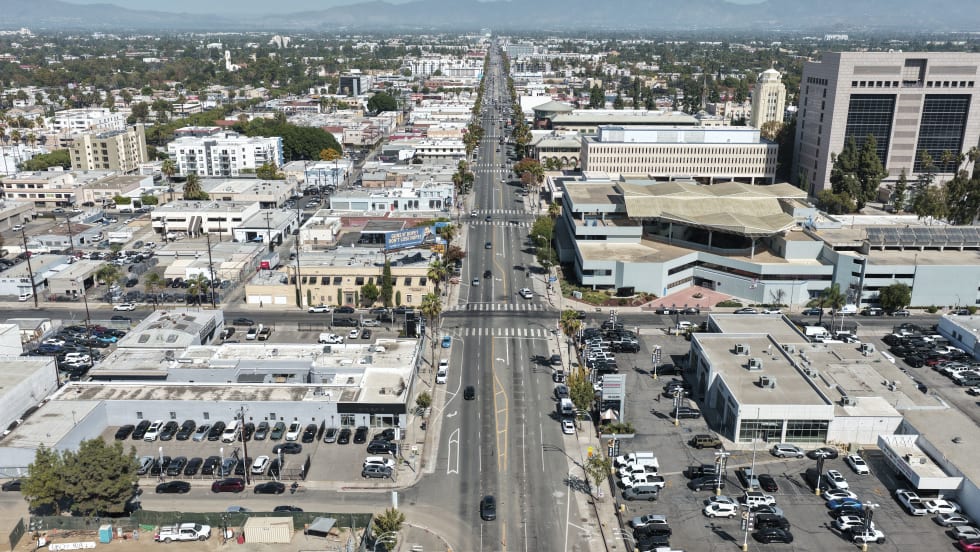
LA Metro Breaks Ground on East San Fernando Valley Light Rail Project
The 6.7-mile line will add 11 stations along Van Nuys Boulevard, expand access to jobs and regional transit connections, and support Metro’s broader efforts to improve mobility as rail ridership grows.
Read More →
CSA Group Releases Climate Resilience Standard for Transit, Passenger Rail
Developed with support from the Standards Council of Canada, CSA D700 guides assessing climate-related risks and planning adaptation measures for transit and passenger rail systems.
Read More →
LA Metro September Ridership Climbs 3.9%, Led by Rail Growth
The agency recorded more than 27.2 million boardings, with rail ridership increasing 12.4% year over year and the D Line posting the largest gains.
Read More →
First Full MetroLink Rail Expansion Completed in 20 Years with $192M Airport Project
The project links two St. Louis-area airports by light rail while adding roadway and bike trail connections to improve regional access and mobility.
Read More →
Utilimarc Launches SmartReplace to Optimize Fleet Replacement Decisions
AI-powered SmartReplace helps fleets prioritize vehicle replacements, model budget scenarios, and build more defensible long-term strategies.
Read More →
Scenes from APTA TRANSform & EXPO 2026
Transit leaders, manufacturers, and industry professionals gathered in Chicago to explore new technologies, share ideas, and discuss the future of public transportation.
Read More →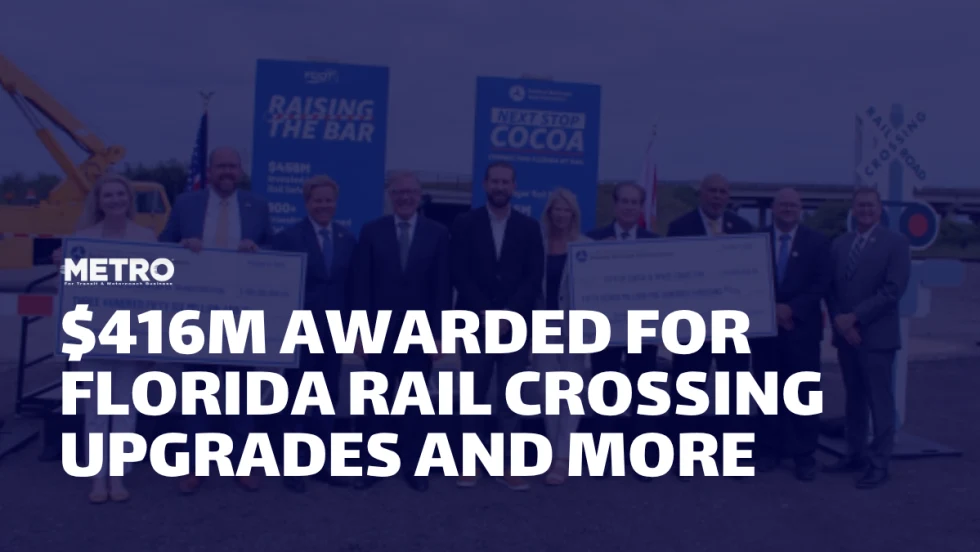
USDOT Awards $416 Million for Florida Rail Crossing Safety Upgrades, New Brightline Station
The projects aim to reduce risks for motorists and pedestrians at rail crossings while expanding passenger rail access along Florida’s Space Coast.
Read More →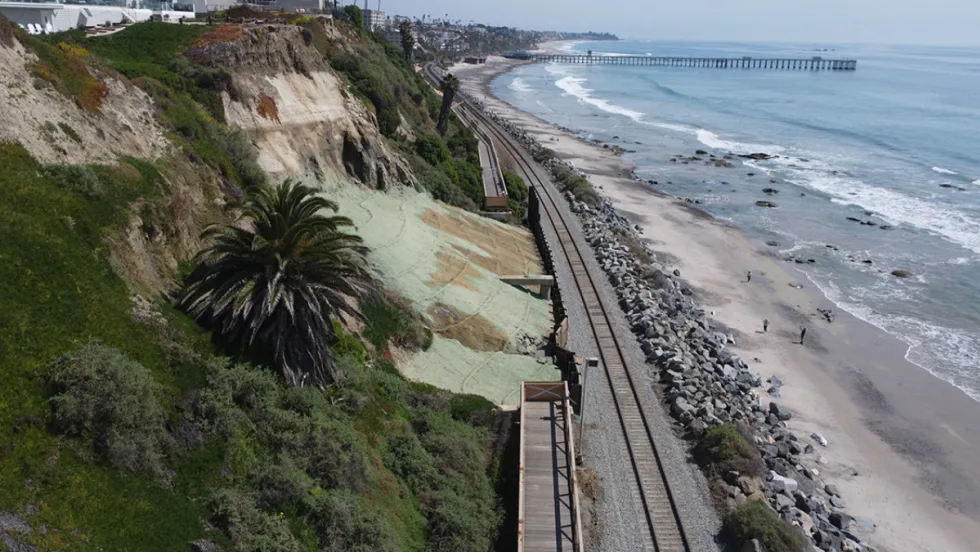
OCTA Declares Emergency to Protect Rail Corridor From Coastal Erosion
The California agency is accelerating shoreline protection and plans to place approximately 690,000 cubic yards of sand along the San Clemente coast to protect a key passenger and freight rail link.
Read More →
More Than a Summer Job: Building the Next Generation of Transit Talent
The Delaware River Port Authority and PATCO have transformed their internship program into a hands-on professional development experience that introduces students to the breadth of transportation careers — and creates a pipeline for future employees.
Read More →