



USDOT Invests $1.1B to Enhance Safety Infrastructure at Railroad Crossings
Every year, more than 2,000 incidents and 300 fatalities occur at railroad crossings nationwide.

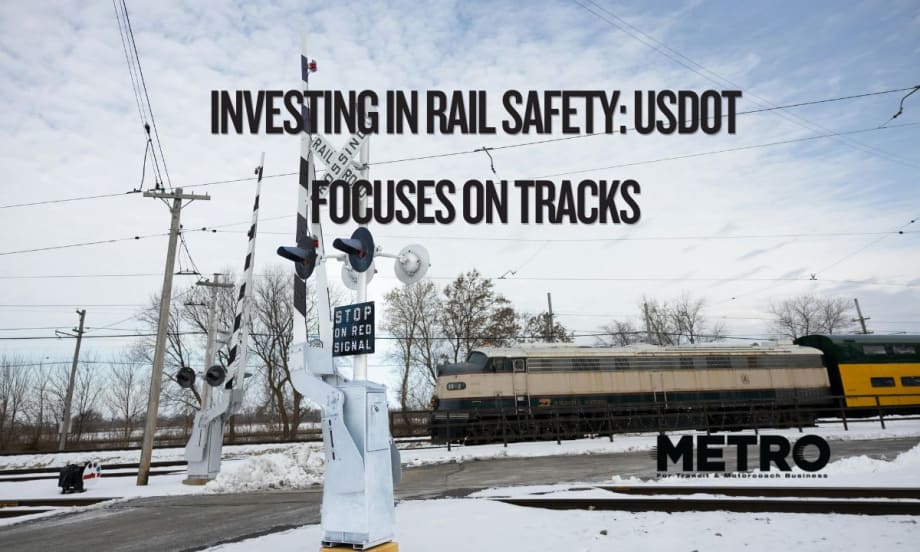
Under Secretary Duffy, the grant program’s revamped criteria will prioritize safety, enhance access to emergency services, and improve the mobility of people and goods.
METRO
- The USDOT is allocating $1.1 billion to improve safety infrastructure at railroad crossings.
- Annually, over 2,000 incidents and 300 fatalities occur nationwide at these crossings.
- The investment aims to reduce accidents and enhance public safety in affected areas.
*Summarized by AI
The US Department of Transportation (USDOT) announced a $1.1 billion investment by the Federal Railroad Administration (FRA) to improve safety infrastructure at railroad crossings.
Enhancing Track Safety
Every year, more than 2,000 incidents and 300 fatalities occur at railroad crossings nationwide.
Funds are available for projects that:
- Build overpasses or underpasses so cars and trains never meet.
- Upgrade safety technology at crossings.
- Relocate tracks to close a grade crossing.
- Educate Americans on how to cross-train tracks safely.
“Under Secretary Duffy’s safety-first agenda, protecting Americans from railroad crossing collisions is a top priority,” said FRA Administrator David Fink. “From installing automated equipment to eliminating unsafe crossings, we are committed to delivering a safer railroad system for Americans.”
The FRA’s Railroad Crossing Elimination Grant Program, or Crossing Safety Program, focuses on crossing projects that improve the safety and mobility of people and goods, eliminate railroad crossings that are frequently blocked by trains, and educate communities on railroad crossings to save lives.
Under Secretary Duffy, the grant program’s revamped criteria will prioritize safety, enhance access to emergency services, and improve the mobility of people and goods.
Quick Answers
The USDOT's $1.1 billion investment aims to enhance safety infrastructure at railroad crossings to reduce incidents and fatalities.
*Summarized by AI
More Security and Safety
Safe Transit Act Proposes New Security Requirements for Federal Transit Funding
Proposed legislation would link federal transit dollars to safety measures while requiring security investments, onboard cameras, and new fare collection standards.
Read More →
FTA Ends Direct Oversight of MBTA Safety Actions
The federal agency closed its remaining special directive to the Massachusetts Department of Public Utilities following a safety review that began in 2022.
Read More →
Transit Agencies Highlight Safety Gains at National Summit
Leaders from 15 major transit systems shared crime-reduction results and safety initiatives while discussing the role of continued federal support.
Read More →
DART Launches Major Security, Fare Enforcement Initiative
The 90-day demonstration will deploy coordinated security teams at five light rail stations while testing controlled access and gathering data to guide future investments.
Read More →
RTD Launches NextRide App to Consolidate Trip Planning, Fares, Security Reporting
The app expands on RTD’s existing NextRide web application and allows customers to view real-time vehicle locations and service alerts, purchase and store digital fares, and access customer support.
Read More →
TAPTCO Updates OSHA Compliance Training for Transit Maintenance Operations
The revamped program addresses 26 OSHA standards for maintenance facilities, with TAPTCO pointing to training, documentation, and everyday shop hazards as continuing challenges for transit operations.
Read More →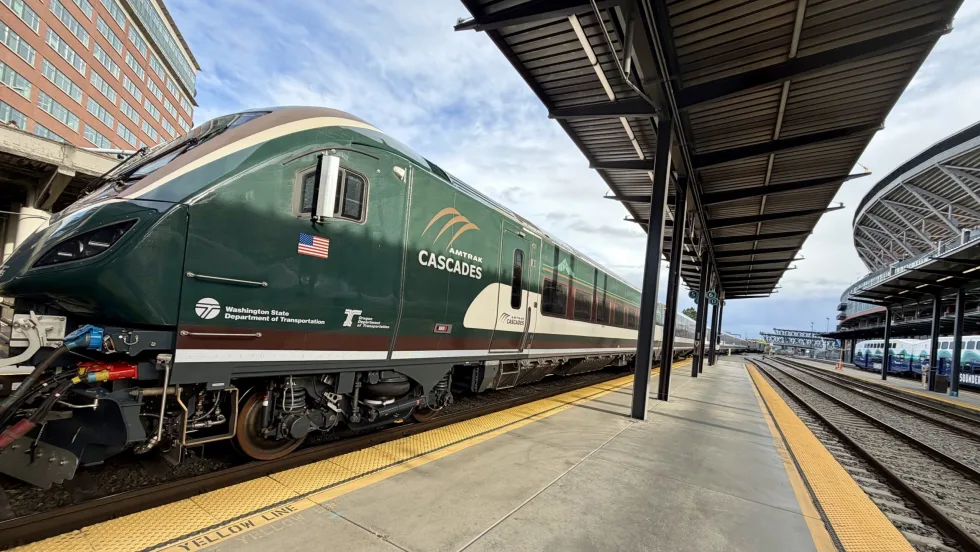
FRA Announces $5.3B in Rail Investments, Including $2B for Amtrak
Funding will support grade-crossing improvements, infrastructure upgrades, and new Amtrak equipment in 23 states.
Read More →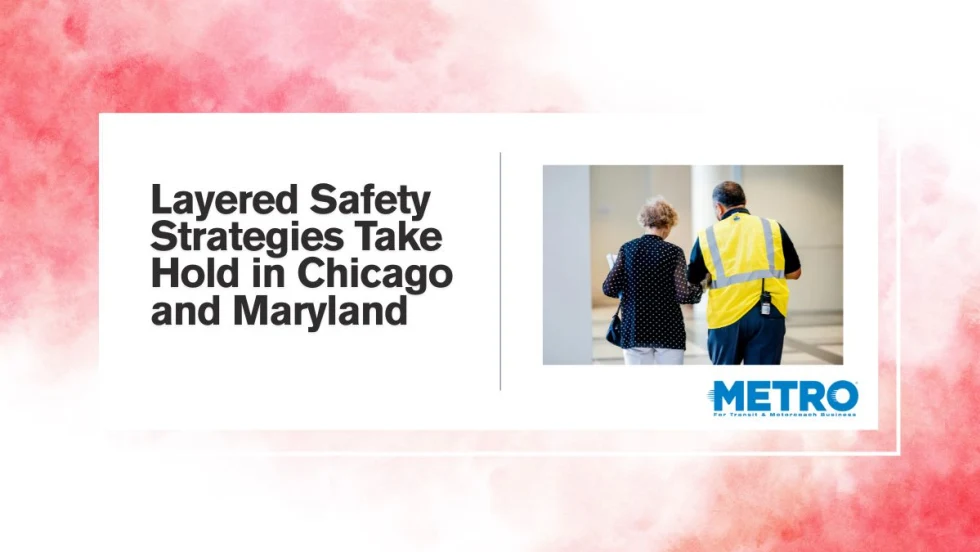
Chicago, Maryland Expand Non-Law-Enforcement Safety, Rider Support
The CTA and MTA are launching new programs aimed at de-escalation, crisis response, rider assistance, and greater transparency.
Read More →
LA Metro, City of West Hollywood, and Partners Advance Smarter Bus Lane Enforcement
The award-winning partnership combines AI-powered detection with human oversight to improve bus reliability, accessibility, and enforcement efficiency.
Read More →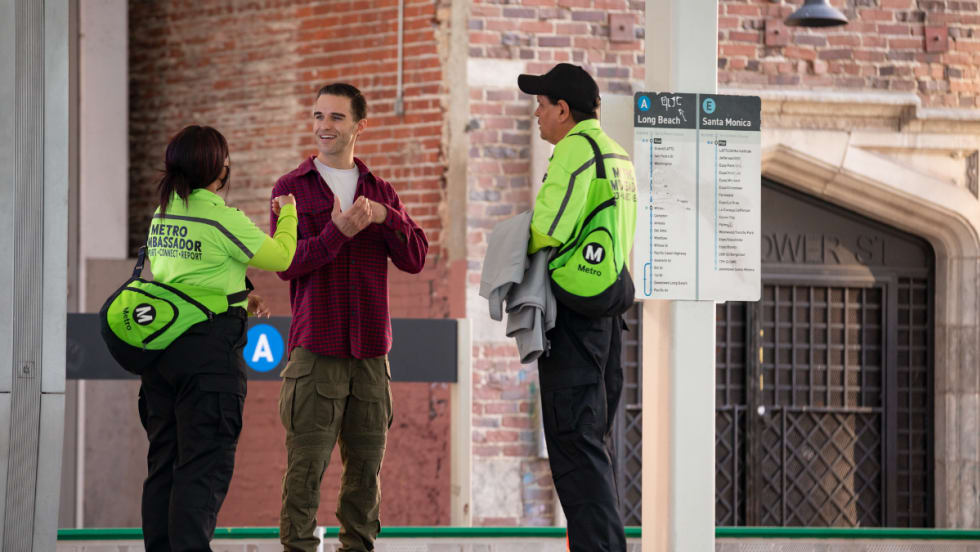
LA Metro Reports 57% Decline in Homelessness on Transit System Since 2024
The agency's latest homelessness count offers new data on how care-based services and cross-sector partnerships can complement traditional transit security strategies.
Read More →