



APTA: more transit investment needed in climate bill
Per the bill, states can use less than 1 percent of emission allowances to fulfill matching requirements to receive federal funds for projects such as building new subway lines or acquiring new clean fuel buses.

William Millar, president, APTA, released a statement regarding the new Transportation Agreement in the American Clean Energy and Security Act of 2009 (ACES):
“The American Public Transportation Association (APTA), urges Congress to provide significantly more investment for public transportation to address the serious global warming challenges facing our country today.
Under the new ‘American Clean Energy and Security Act of 2009’ (ACES), just passed by the House, states can use less than 1 percent of emission allowances to fulfill matching requirements to receive federal funds for projects such as building new subway lines or acquiring new clean fuel buses. This level of funding falls far short of realizing the potential for public transportation to reduce harmful greenhouse gas emissions. APTA applauds the House of Representatives for passing climate change legislation and recognizing the role of transit, but we strongly urge the U.S. Senate to do more to address transportation-related emissions.
Transportation presently produces one-third of carbon-dioxide emissions in the United States, and the transportation sector is responsible for approximately 70 percent of U.S. oil consumption. Public transportation currently saves 37 million metric tons of carbon dioxide annually – equivalent to the emissions resulting from the electricity generated for the use of 4.9 million households. That’s every household in Washington, D.C., New York City, Atlanta, Denver, and Los Angeles combined.
We look forward to continue working with Congress on this very important piece of legislation, and seek that Congress consider dedicated investment for public transportation to have a meaningful impact on reducing global warming.”
More Paratransit
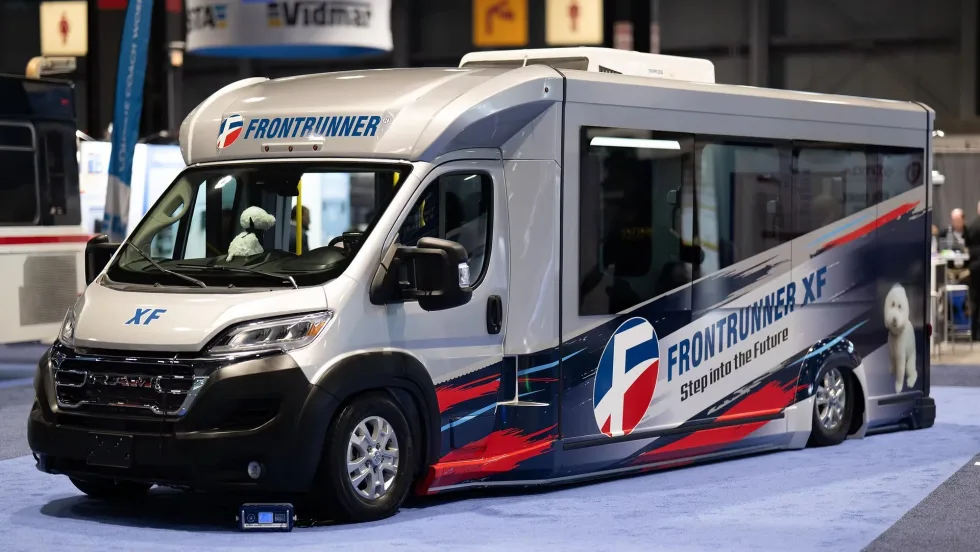
Frontrunner Bus Group Introduces XF Low-Floor Bus with Enhanced Accessibility
The new mid-sized bus features a full flat-floor design, eight-inch curbside step-in height, and zero-entry rear ramp to improve passenger access and operational flexibility.
Read More →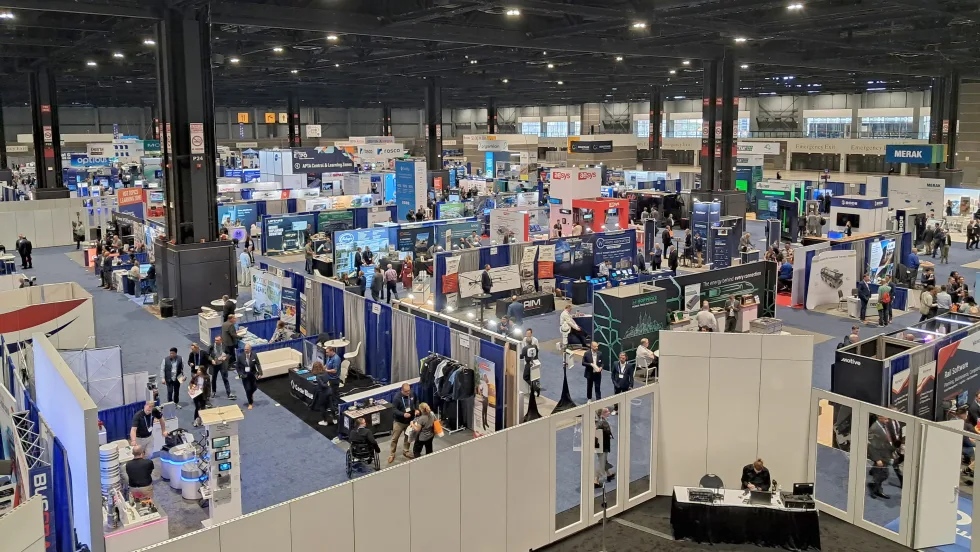
Scenes from APTA TRANSform & EXPO 2026
Transit leaders, manufacturers, and industry professionals gathered in Chicago to explore new technologies, share ideas, and discuss the future of public transportation.
Read More →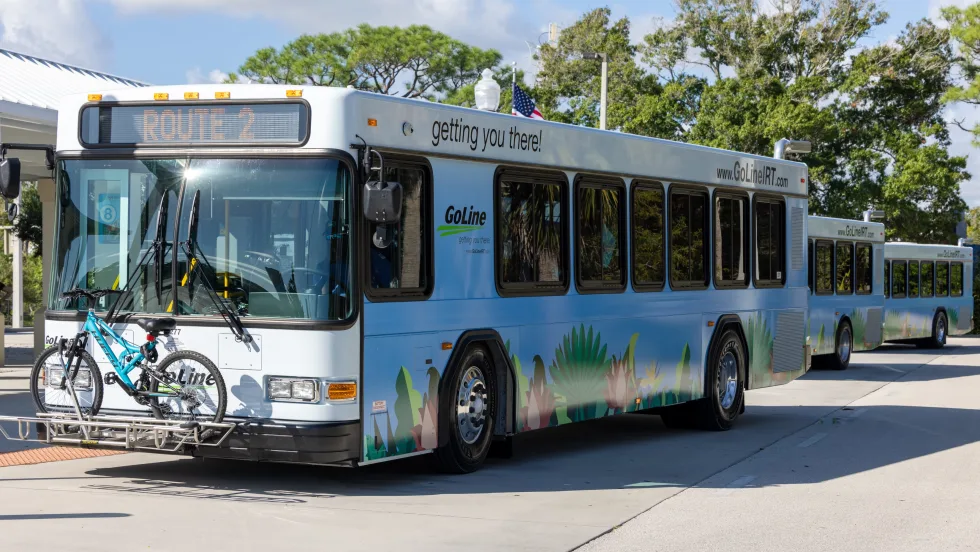
Indian River Transit’s Community-Focused Approach Earns National Recognition
Named APTA’s 2026 Outstanding Public Transportation System in its size category, Florida’s Indian River County transit system continues to grow ridership through fare-free service and a focus on evolving community needs.
Read More →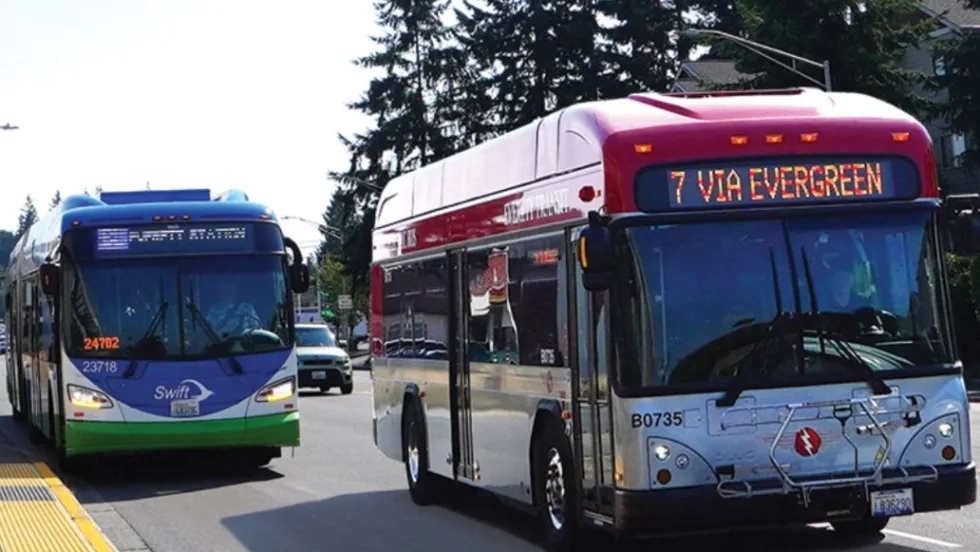
Everett Transit, Community Transit Outline Consolidation Agreement
The proposed agreement calls for a 50% increase in bus service in Everett, a new microtransit zone, continued paratransit service, and the transfer of Everett Transit operations to Community Transit.
Read More →
Driving Smarter Paratransit
John Hanlon shares how AlphaRoute is leveraging AI-powered technology to help paratransit providers optimize operations, support frontline staff, and enhance the rider experience.
Read More →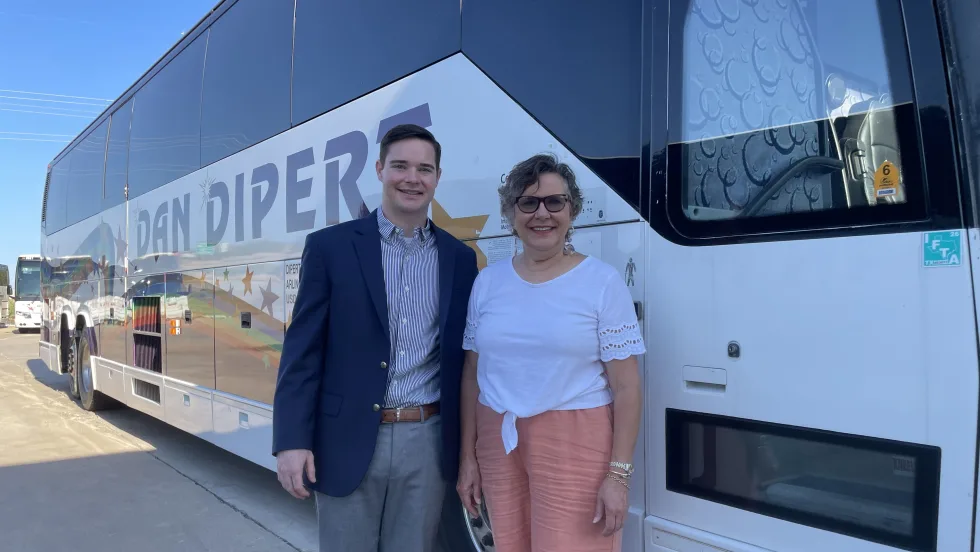
People Movement: Dan Dipert Coaches Adds Third-Generation Leader, Keolis Names New Valley Metro VP/GM, and More
In this edition, we also cover recent appointments and announcements at the Wabtec, SilverRide, HNTB, and more, showcasing the individuals helping to shape the future of transportation.
Read More →
Biz Briefs: RIPTA Unveils New Frontrunners, Clevland RTA Adds New Siemens, and More
In METRO's latest installment, we take a look at recent news from Siemens, Prevost, Dodge, and more partnerships making headlines across the transportation sector.
Read More →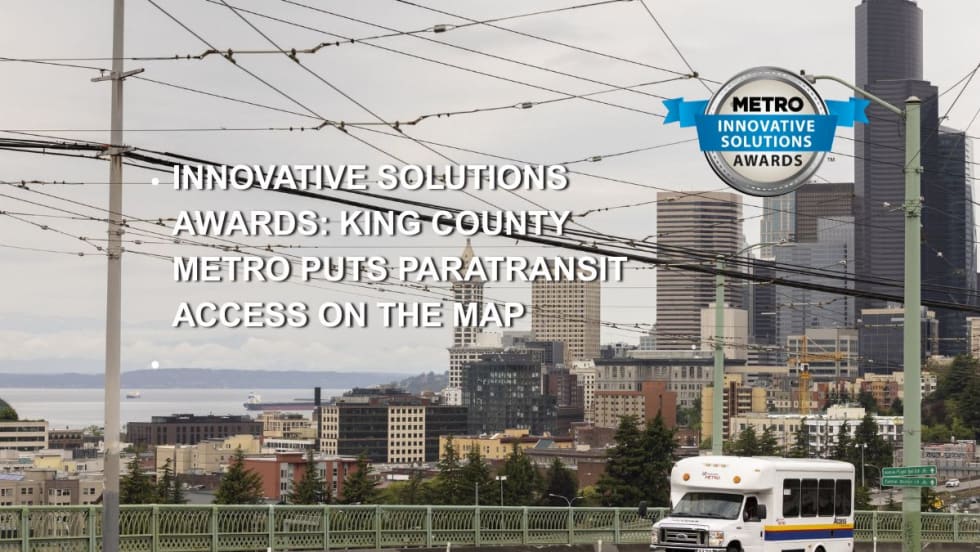
King County Metro Makes ADA Paratransit Easier to Navigate
METRO's Innovative Solutions Award winner replaces complex service-area descriptions with an accessible, interactive map that puts paratransit information directly in customers’ hands.
Read More →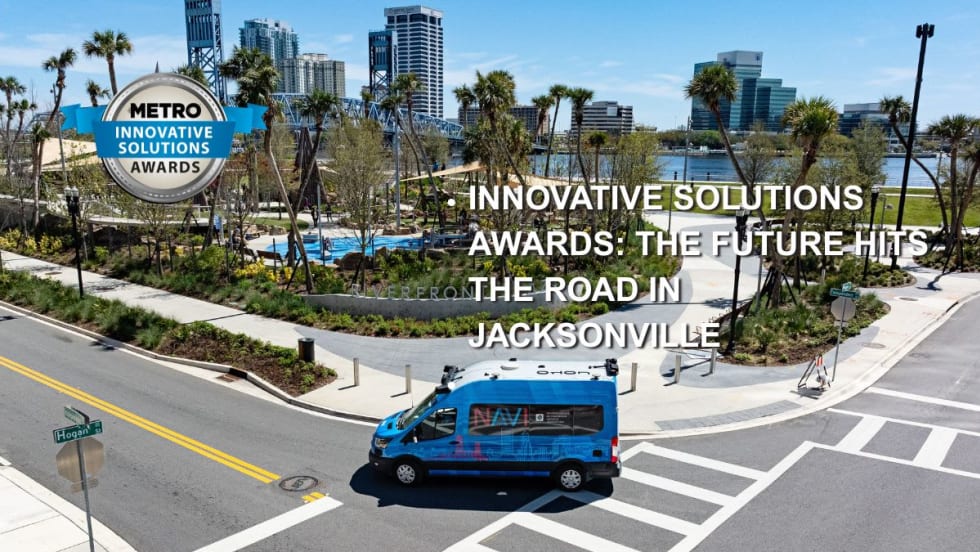
Jacksonville’s NAVI Project Charts a New Course for Autonomous Public Transportation
Through its NAVI program, JTA is showing how autonomous vehicles, intelligent infrastructure, and coordinated operations can work together to deliver everyday public transportation.
Read More →
Driving Smarter Paratransit
John Hanlon shares how AlphaRoute is leveraging AI-powered technology to help paratransit providers optimize operations, support frontline staff, and enhance the rider experience.
Read More →