



AVTA Names New Executive Director/CEO
Martin Tompkins will succeed Macy Neshati.
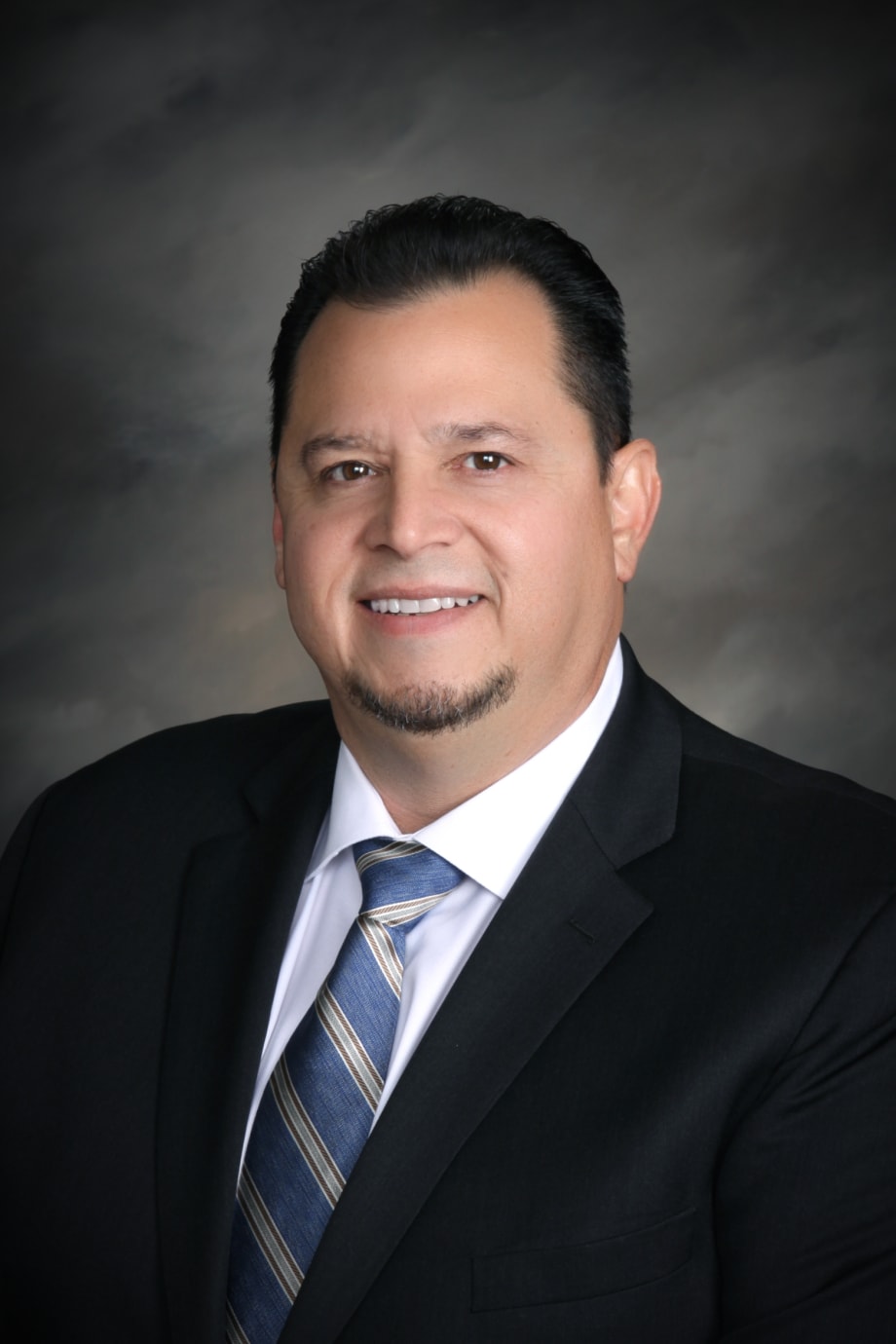
Calif.’s Antelope Valley Transit Authority (AVTA) appointed Martin Tompkins as the new executive director/CEO, succeeding Macy Neshati.
Tompkins currently serves as COO/sr. director of operations and planning for the transit agency. His executive director employment agreement starts Dec. 31 and continues through Jan. 1, 2023. He will be paid $190,000 a year.
Tompkins has about 35 years of experience in the transit industry. He started as a bus operator and has served as a GM for about 25 years, including for two major transportation corporations, one of which is Transdev Transportation, AVTA’s contracted fleet provider. He has worked with AVTA off and on since 2005, when he was with Transdev. He rejoined the agency about three years ago.
Neshati said previously, that he needed to cut back on his workload for health reasons. He will not leave the AVTA, however. His title will convert to project manager, beginning Jan. 1 and continuing through Jan. 1, 2025.
Neshati guided the transit agency toward the board goal of a fully-electric local fleet. The agency will become the nation’s first all-electric commuter fleet by the end of December. Board Chairman Marvin Crist thanked Neshati for his service.
“I personally wish that you’d stay on forever because you’ve done such a good job with not only staff, but with the Board and everybody,” he said. “You’re a great asset to the community and I’m glad you’re staying on as a consultant.”
More Management

Pierce Transit Moves to Expand Fleet Following Proposition 1 Approval
The agency authorized the purchase or refurbishment of up to 60 buses to support a 47% service expansion, as voters nationwide approved billions in new transit funding.
Read More →
Right-Sizing Rural Transit: Lessons from North Grenville’s On-Demand Model
A small municipality shows how flexible service, rider needs, and public accountability can expand mobility with limited resources.
Read More →
Transit Ballot Victories Signal Strong Voter Support: What Comes Next?
Voters approved billions in public transportation investments in 2026, giving agencies opportunities to preserve service, expand operations, and strengthen regional connections amid a changing political landscape.
Read More →
Transit Expands Agency Partnerships, Reaching 200 Official App Partners
COO Jake Sion discusses Transit’s growth, the success of its Transit Royale program, and how technology is helping agencies improve the rider experience.
Read More →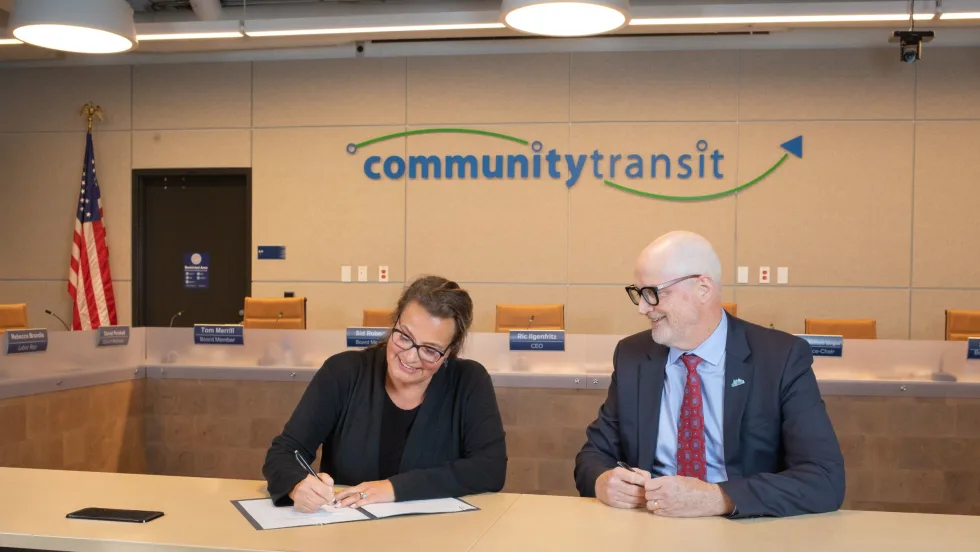
Everett Transit, Community Transit Approve Consolidation of Services
The agreement will bring Everett Transit into Community Transit’s network in April 2027, with plans to increase bus service by 50% by 2031 and expand regional connections.
Read More →
NITA Proposes $5B Operating Budget, $9.7B Capital Program for 2027
The proposed budget includes funding for expanded transit service, safety initiatives, fleet upgrades, and infrastructure improvements across CTA, Metra, and Pace.
Read More →
Financing, Fleet Replacement Requires a More Strategic Approach
Executives from ABC Companies and MCI discuss how rising costs, changing market conditions, and post-pandemic challenges are prompting motorcoach operators to rethink financing strategies, fleet replacement cycles, and long-term planning.
Read More →
Bringing Austin’s First Light Rail System to Life
Austin Transit Partnership CEO Greg Canally discusses the city's nearly 10-mile light rail project, its collaborative approach to project delivery, the importance of community engagement, and the milestones ahead as construction approaches in 2027.
Read More →
ETA CEO John Maglio on Transit Technology, Innovation, and Building Agency Trust
ETA founder and CEO John Maglio explores the evolution of transit technology, the importance of reliable systems, and how stronger partnerships can help agencies improve operations and the passenger experience.
Read More →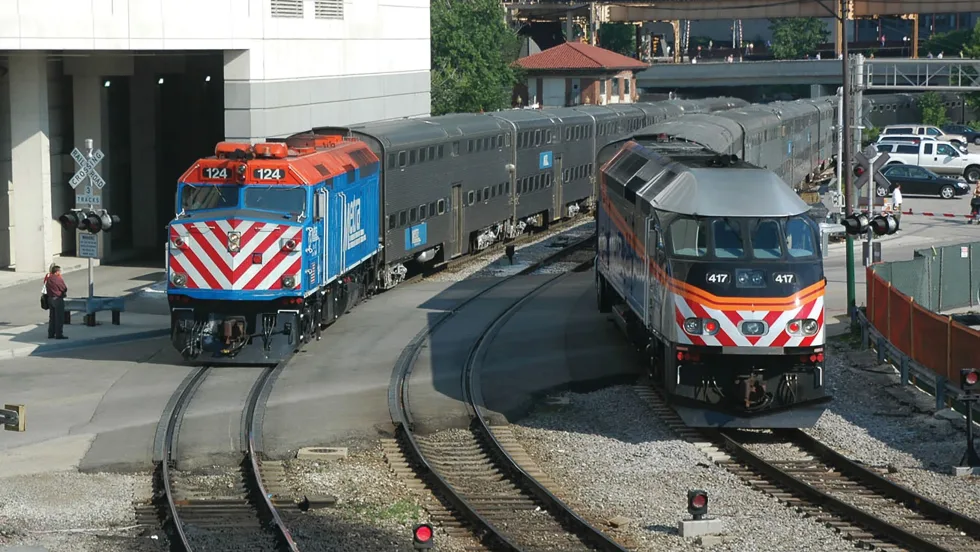
Metra Draft Plan Outlines Costs, Service Improvements for Regional Rail
The Systemwide Network Plan identifies infrastructure needs and potential investments to expand all-day, bidirectional rail service across the Chicago region.
Read More →