



BART introduces security app
Riders have been asking for a safe, silent and discreet way to communicate with BART when they are on a train or in a station and this new application will make that happen.

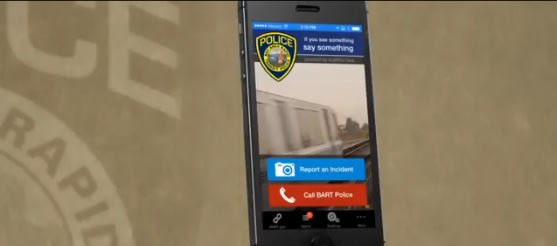
The Bay Area Rapid Transit District (BART) is launching a simple-to-use app available for iOS and Android devices, which will allow riders to easily report crimes, suspicious items or activities on the BART system.
Riders have been asking for a safe, silent and discreet way to communicate with BART when they are on a train or in a station and this new application will make that happen.
Riders can use BART Watch to send a text description of what they are seeing and/or attach a picture. Or, there is a "one tap" button that will connect them with BART Police by phone. Text reports may be sent anonymously. If they are in an area without cellular service, the report will be stored and delivered as soon as there is service again.
RELATED:BART Reaches Out to Customers to Gets its 'Fleet of the Future' Right
Simple pull-down menus let riders choose the report type they would like to send, such as crime in progress, illegally parked vehicle, disruptive behavior, robbery/theft, unattended bag or package, vandalism and more. There is a "Test" option that lets users practice with the app before an emergency. Reports go directly to BART Police dispatch and are prioritized for response.
The app also allows BART Police to send alerts to riders in emergencies such as a lost child. BART is the first system with this technology to offer versions in Spanish and Chinese.
In March, The BART Board of Directors approved a multi-year contract with ELERTS Corp., which has created similar apps for other U.S. transit agencies including Boston’s Massachusetts Bay Transportation Authority, the Metropolitan Atlanta Rapid Transit Authority and the Santa Clara Valley Transportation Authority.
More Bus
Biz Briefs: New Flyer Delivers in Columbus, Houston, Beep and Freebee Merge, and More
In this edition of Biz Briefs, we spotlight the latest developments shaping the future of mobility.
Read More →
People Movement: Dan Dipert Coaches Adds Third-Generation Leader, Keolis Names New Valley Metro VP/GM, and More
In this edition, we also cover recent appointments and announcements at the Wabtec, SilverRide, HNTB, and more, showcasing the individuals helping to shape the future of transportation.
Read More →
New York MTA Plans Largest Bus Fleet Upgrade in More Than a Decade
The agency is seeking manufacturers for 650 new CNG buses to replace aging vehicles, improve reliability, and advance its broader fleet modernization strategy.
Read More →
Building a Flexible Path to Transit Electrification
John Hroncich discusses BAE Systems’ modular and scalable approach, lessons learned from decades of real-world operations, and how agencies can identify electrification strategies that fit their fleets.
Read More →
Bus Tech Talk: Keeping Transit Technicians Ahead of the Technology Curve
LA Metro’s Obed Mejia discusses technician training, evolving maintenance technology, fleet replacement, and strategies for getting the most out of today’s transit fleets.
Read More →
Biz Briefs: RIPTA Unveils New Frontrunners, Clevland RTA Adds New Siemens, and More
In METRO's latest installment, we take a look at recent news from Siemens, Prevost, Dodge, and more partnerships making headlines across the transportation sector.
Read More →
People Movement: Holly Arnold Joins Transdev and More
In this edition, we also cover recent appointments and announcements at Pace, CamTran, MCI, and more, showcasing the individuals helping to shape the future of transportation.
Read More →
The High Cost of Transit Buses: Industry Leaders Look to Procurement Reform
Transit leaders and policymakers examine how standardized bus designs, streamlined procurement, and predictable funding could help agencies stretch budgets and deliver better service.
Read More →
The Business Voice Behind Public Transportation
As chair of APTA’s Business Members Board of Governors, Ray Melleady explains how more than 850 business members are partnering with transit agencies to advance funding, innovation, and industry-wide collaboration.
Read More →
From Surviving to Thriving: Building Stronger Transportation Organizations
Bus Business Consultants founder Brian Dickson shares lessons on leadership, organizational health, and creating options for long-term success in a changing transportation industry.
Read More →