



BRT definition still under debate
At one of several Federal Transit Administration BRT workshops held across the country, bus industry officials meeting in Los Angeles in April could not reach a consensus on how this "new" mode of transportation should be categorized.

Though it's now been around for several years, the debate on how to classify bus rapid transit (BRT) — as bus or rail — still rages on. At one of several Federal Transit Administration (FTA) BRT workshops held across the country, bus industry officials meeting in Los Angeles in April could not reach a consensus on how this "new" mode of transportation should be categorized. "I don't think it should be called BRT; it's not a bus," said Joseph Calabrese, CEO of the Greater Cleveland Regional Transit Authority. He agreed with many others that BRT should be referred to as a special performance vehicle (SPV) since it has qualities inherent to both bus and rail. "BRT is a flexible concept — it can be mixed-use and dedicated. It's similar to light rail transit," said Cliff Henke, sales and marketing representative at North American Bus Industries, a supplier of BRT vehicles to the Los Angeles County Metropolitan Transportation Authority (LACMTA). Marcel Belanger, bus testing program manager at the FTA, said that narrowing BRT to one category may not do any good. "BRT is a collection of services, not necessarily a type of vehicle," he said. Once the category is decided upon, the issue of testing the vehicle comes into play. The FTA has not yet required BRT to undergo Altoona testing, granting IrisBus an exemption on testing its Civis BRT vehicles in Las Vegas. The company was given a 10-bus exemption because the FTA wants to see the vehicle in an operational environment that couldn’t be re-created at Altoona, said Bert Arrillaga, chief of the service innovation division of the FTA. "Real tests occur in service. It presents challenges that you can’t replicate," said Richard Hunt, executive officer of transit operations at the LACMTA. All buses are required to undergo Altoona testing before receiving federal funding. Transit agencies and manufacturers do not want to be the ones to absorb the cost of testing if BRT is not required to be tested at Altoona. "We live in a nation of laws and, like it or not, the law is to do testing," said Paul Szilagyi, CEO of Transportation Techniques. "Getting through Altoona is an arduous process" "Altoona testing has done the industry a lot of good," said Brian Macleod, senior vice president of marketing at Gillig. "It just needs to be modified." Manufacturers are also receiving mixed messages when it comes to the design of the vehicle, resulting in a delay in distributing the vehicles in the marketplace. "Manufacturers are not responding quickly enough to meet the market demand for BRT, and agencies are looking at foreign-built products because of it," said Walter Kulyk, the FTA’s director of the office of mobility innovation. "Standardization is the heart of a lot of the ills in our industry, but there is a significant benefit to it." The FTA proposed one-on-one meetings with bus manufacturers and the revision of existing procedures to more quickly develop a standard for BRT. "We need to define and standardize," said Rick Brandenburg, western regional sales manager of New Flyer of America. "The trouble in this industry is that everyone is an engineer." Some manufacturers are concerned that, even with standardization, a new vehicle in the marketplace will fail, much like TransBus and ATTB did in the past. To help avoid that, Macleod proposed developing the vehicle in stages: Stage 1 would be the standard BRT that is found in Curitiba, Brazil, and Los Angeles today; Stage 2 would move toward hybrid-electric, low-cost vehicles; and Stage 3 would develop the exact bus the industry desires. "Both agencies and manufacturers need to define exactly what we want. If we have a beautifully designed cart but have not fed the horse, I don't think we’re going to go very far," Macleod said.
More Bus
Brian Dickson on Building Stronger, More Resilient Transportation Organizations
Bus Business Consultants Founder Brian Dickson discusses the leadership principles, operational discipline, and strategic planning that separate transportation companies positioned for long-term success from those stuck in survival mode.
Read More →
LA Metro Breaks Ground on Vermont BRT Project
The 12.4-mile corridor is projected to serve 66,200 daily riders, reduce travel times by up to 24%, and create the nation's busiest bus rapid transit corridor.
Read More →
Roman Cornell on ABC Companies’ Evolution and the Future of Passenger Transportation
The company’s CEO discusses carrying forward a third-generation family legacy, ABC’s continued evolution in passenger transportation, support for increasingly complex fleets, and how technology and continued investment could help operators improve uptime.
Read More →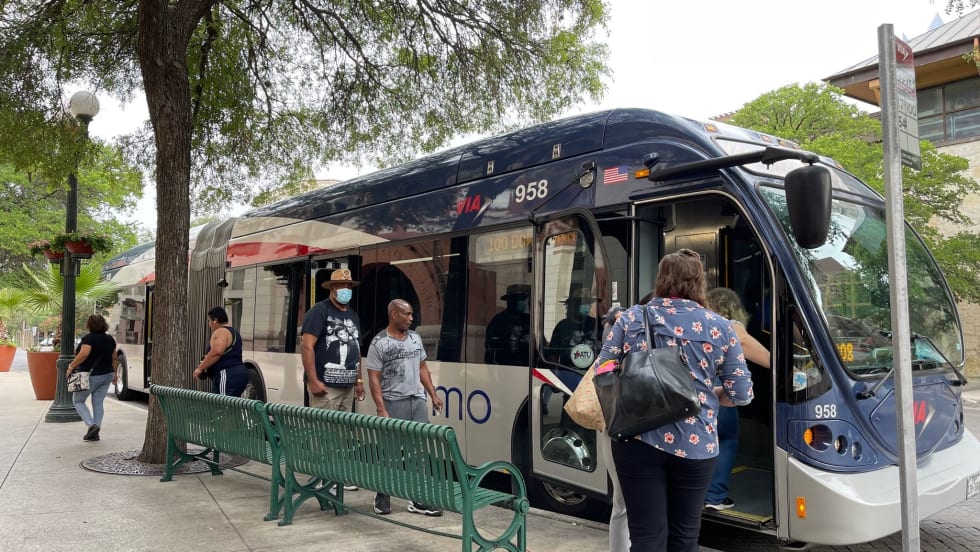
VIA Bus Ridership Grows 10.1% Through August 2026
San Antonio's VIA Metropolitan Transit reported the highest bus ridership growth among major Texas transit systems. Federal Transit Administration data ranked it second among the nation's 50 largest transit systems.
Read More →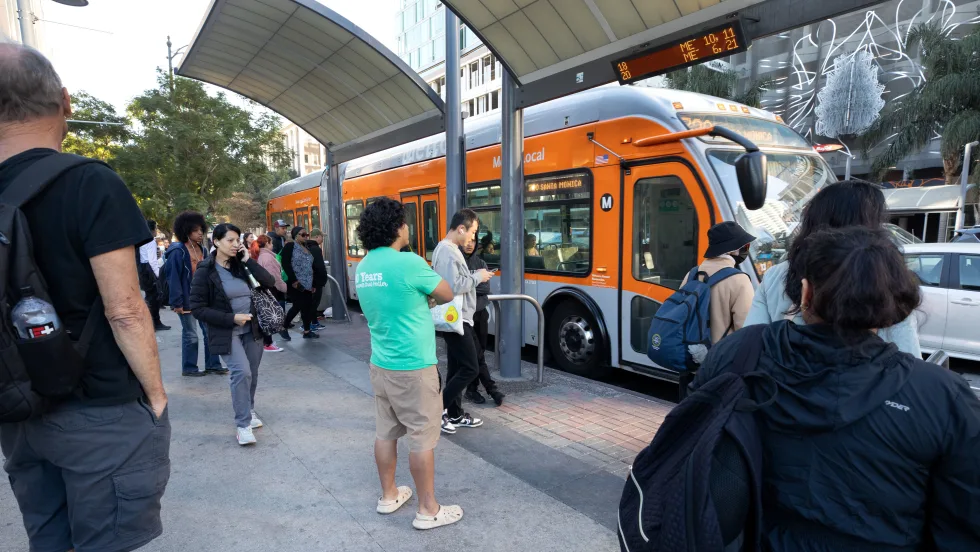
LA Metro September Ridership Climbs 3.9%, Led by Rail Growth
The agency recorded more than 27.2 million boardings, with rail ridership increasing 12.4% year over year and the D Line posting the largest gains.
Read More →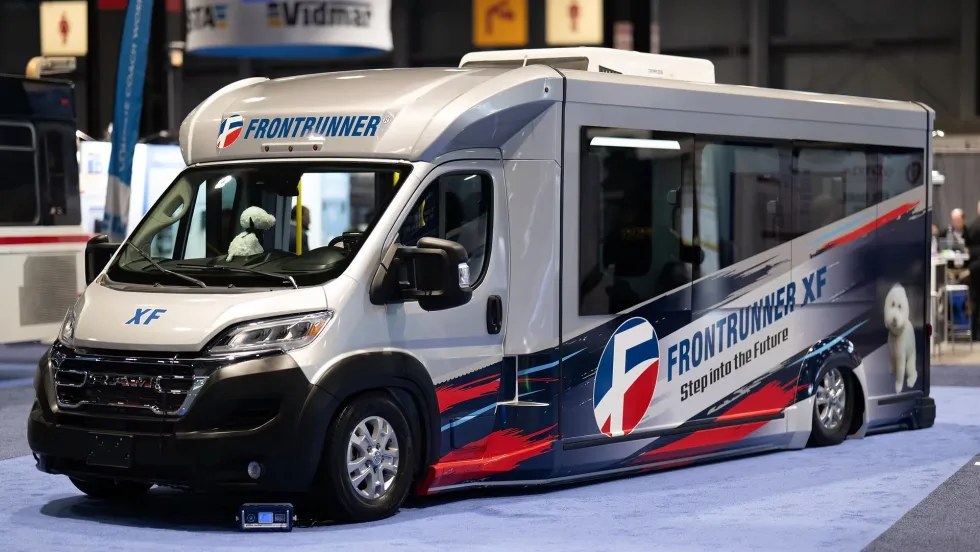
Frontrunner Bus Group Introduces XF Low-Floor Bus with Enhanced Accessibility
The new mid-sized bus features a full flat-floor design, eight-inch curbside step-in height, and zero-entry rear ramp to improve passenger access and operational flexibility.
Read More →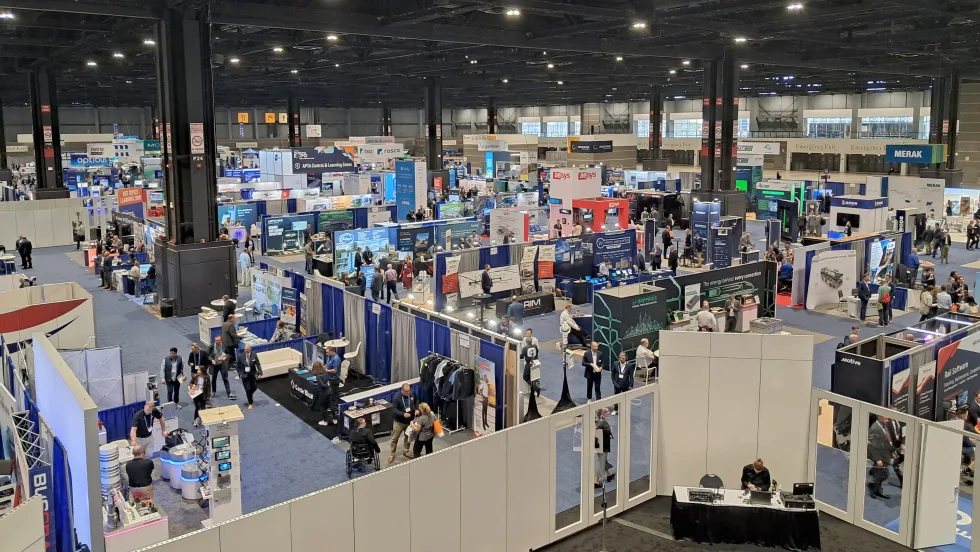
Scenes from APTA TRANSform & EXPO 2026
Transit leaders, manufacturers, and industry professionals gathered in Chicago to explore new technologies, share ideas, and discuss the future of public transportation.
Read More →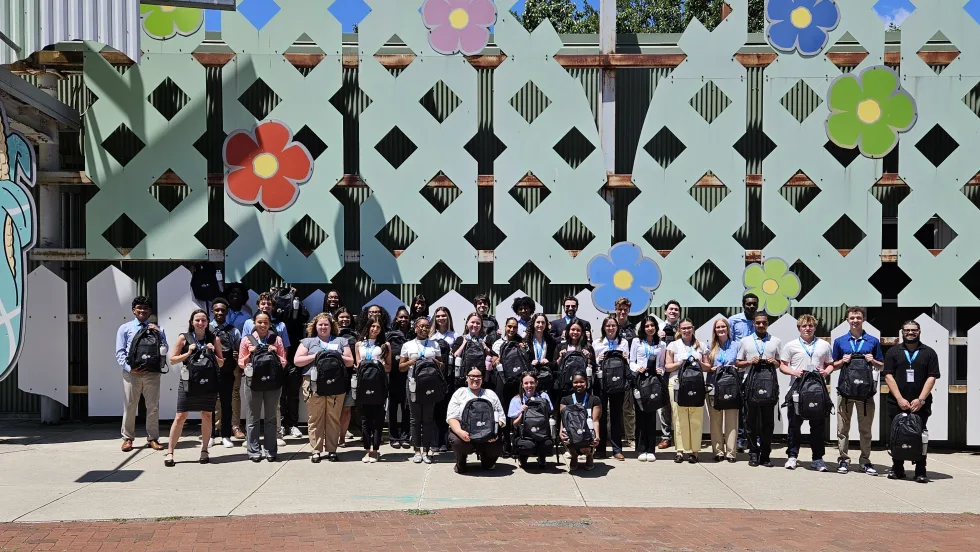
More Than a Summer Job: Building the Next Generation of Transit Talent
The Delaware River Port Authority and PATCO have transformed their internship program into a hands-on professional development experience that introduces students to the breadth of transportation careers — and creates a pipeline for future employees.
Read More →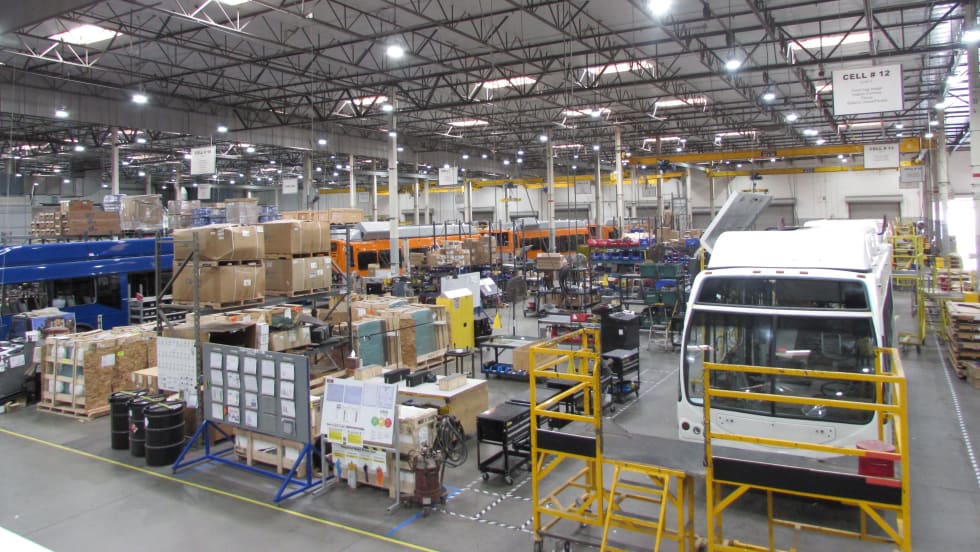
LA Metro Board Awards 220 Battery-Electric Bus Contract to ENC
The contract, which is the largest base award of battery-electric buses by a U.S. transit agency, will be built in Southern California, sustaining good jobs as LA prepares to welcome the world in 2028
Read More →
Public Transit Conference Returning to GFX in 2027, Call for Papers Now Open
The Call for Papers is now open, allowing transit agency professionals and industry experts to help shape the PTC educational program by submitting session ideas for consideration.
Read More →