



Building America's Future urges Congress to include infrastructure in next COVID-19 package
Congress and the Trump Administration are considering a fifth COVID-19 response package to address the health, financial, and economic wreckage caused by the pandemic.

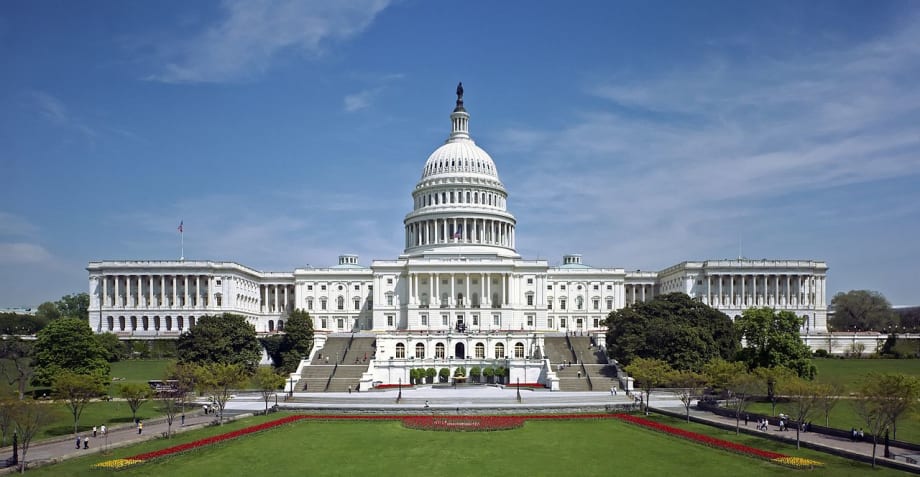
Public Domain
Public Domain
The leaders of Building America’s Future sent a letter to the bipartisan Congressional Leadership urging the creation of a federal capital budget to fund infrastructure investment in the next COVID-19 response package.
Congress and the Trump Administration are considering a fifth COVID-19 response package to address the health, financial, and economic wreckage caused by the pandemic. Critical to jump-starting the economy is infrastructure investment which will create thousands of much-needed jobs across the country. As concerns are being raised that the trillions of dollars currently being spent related to the crisis are adding to the national debt, the creation of a federal capital budget would help to minimize additional impact.
“Smart and strategic investments in infrastructure are what is needed to kick start America’s economy,” said Ed Rendell, former governor of Pennsylvania and Co-Chair of Building America’s Future. “This is not without precedent: the best way to do get the economy going is to follow the lead of every political subdivision in the nation, from cities, to counties, to states and create a federal capital budget. A capital budget with borrowing spreads the cost of projects over many years instead of calculating the costs up front.”
“By investing in our nation’s future now and doing so in a fiscally responsible way through a capital budget will help to re-ignite America’s economy,” said Ray LaHood, former U.S. Secretary of Transportation and Co-Chair of Building America’s Future. “The U.S. Department of Transportation estimates that 27,800 jobs are created for every $1 billion invested. These are good paying jobs for the people who need them the most.”
More Management

ENC Lands MATA Contract and More in Biz Briefs
In this edition of Biz Briefs, we spotlight the latest developments shaping the future of mobility.
Read More →
From Surviving to Thriving: Building Stronger Transportation Organizations
Bus Business Consultants founder Brian Dickson shares lessons on leadership, organizational health, and creating options for long-term success in a changing transportation industry.
Read More →
Everett Transit, Community Transit Outline Consolidation Agreement
The proposed agreement calls for a 50% increase in bus service in Everett, a new microtransit zone, continued paratransit service, and the transfer of Everett Transit operations to Community Transit.
Read More →

Strada360’s Steve Lassey on Turning Transit Data Into Better Decisions
From breaking down data silos to preparing for AI, Strada360 CEO Steve Lassey discusses how transit agencies can use technology to improve operations, customer information, and long-term decision-making.
Read More →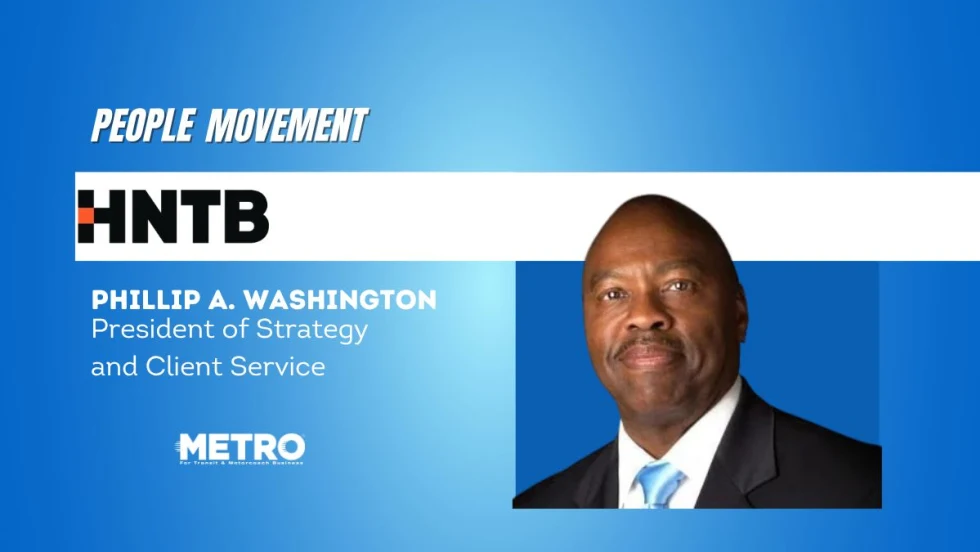
People Movement: Phil Washington Joins HNTB, Denver RTD Launches CEO Search, and More
In this edition, we also spotlight recent personnel moves at STV, the Eno Center for Transportation, and more, highlighting the people taking on new roles across the transportation industry.
Read More →
SEPTA Details Accelerate Vision for Transit System
The plan outlines investments in trolley modernization, new Metro and Regional Rail vehicles, accessible stations, and more frequent bus and rail service.
Read More →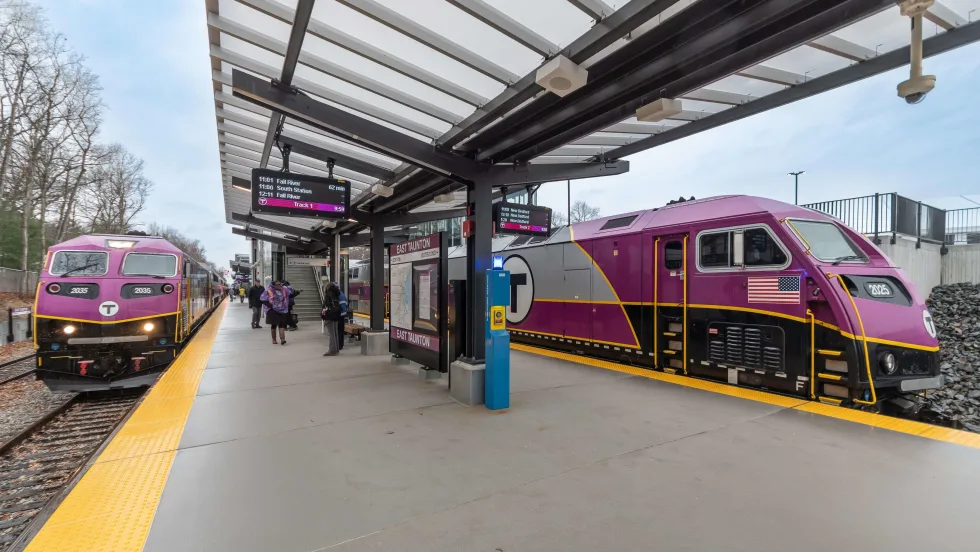
FTA Ends Direct Oversight of MBTA Safety Actions
The federal agency closed its remaining special directive to the Massachusetts Department of Public Utilities following a safety review that began in 2022.
Read More →
Report: Transit Bus Manufacturing Supports 34,100 Jobs, $5.1B in GDP
The “Buses Mean Business” report examines the transit bus manufacturing industry’s economic footprint, supply chain, and rising demand for vehicle replacements.
Read More →
LIT Marks 10-Year Milestone at Annual Summit
Hosted by the COTA from September 10 to 13, the Summit carried the theme “Celebrating 10 Years of Excellence, Leadership, and Impact,” with every part of the program honoring the people, agencies, and partners who built LIT over its first decade.
Read More →
People Movement: Dan Dipert Coaches Adds Third-Generation Leader, Keolis Names New Valley Metro VP/GM, and More
In this edition, we also cover recent appointments and announcements at the Wabtec, SilverRide, HNTB, and more, showcasing the individuals helping to shape the future of transportation.
Read More →