



Bus co., feds blamed for 2011 Va. crash
After reviewing a crash investigation report, the NTSB found fault with Sky Express for failing to provide a fatigue management program or any other formal safety policies for its drivers, and with the FMCSA for failing to shut down the company despite repeated safety violations.

A severely fatigued motorcoach driver who lost control of the vehicle, the failure of Sky Express Inc. to manage safe driving practices and a lack of adequate regulatory oversight was the probable cause of a fatal motorcoach crash in Doswell, Va., last May, the National Transportation Safety Board (NTSB) said.
On May 31, 2011, at about 4:55 a.m., a 2000 Setra motorcoach, operated by Sky Express Inc., was traveling northbound on Interstate 95 en route from Greensboro, N.C. to New York when it crossed the rumble strips and traveled onto the right shoulder, striking a cable barrier and overturning onto its roof. Four of the 58 passengers were killed and 49 others were injured.
“This crash should never have happened,” said NTSB Chairman Deborah A.P. Hersman. “It was entirely preventable. Those travelers were failed at three levels: by the driver, the operator and the regulator.”
An examination of the driver's work schedule, sleep times and cellphone use revealed that his opportunity for sleep in the 72 hours prior to the crash was limited, resulting in what the NTSB described as "acute sleep loss, poor sleep quality and circadian disruption.”
The NTSB found that Sky Express Inc. management failed to follow adequate safety practices and exercise safety oversight of the driver. The Federal Motor Carrier Safety Administration (FMCSA) was cited as contributing to the accident because of its lax safety oversight of Sky Express Inc. and its repeated failure to enforce federal safety regulations against the company. This failure resulted in Sky Express Inc. continuing its operations despite the existence of serious safety issues. Sky Express Inc. was only operating at the time of the crash because of an additional temporary extension granted to the company by the FMCSA. The agency removed the carrier’s operating authority after the accident.
Hersman added, “You have to ask why an overburdened regulator, like FMCSA, with resources to conduct compliance reviews on only 2% to 3% of operators each year, would visit the same operator year after year? And even more to the point, given all the reviews, that identified a myriad of safety deficiencies, why was Sky Express still operating?”
As a result of its 13-month-long investigation, the NTSB made three new safety recommendations to FMCSA and also reiterated and reclassified previous recommendations to the National Highway Traffic Safety Administration and FMCSA.
A synopsis of the NTSB report, including the probable cause, findings, and a complete list of the safety recommendations, is available at http://go.usa.gov/GxJ. The full report will be available on the website in several weeks.
For additional reporting from the Richmond Times Dispatch, click here.
More Motorcoach

Biz Briefs: Luminator Marks Milestone and More
From manufacturers and suppliers to transit agencies and motorcoach operators, these updates offer a snapshot of the projects, partnerships and business moves driving the industry forward.
Read More →
ABAF Study Reveals Growing Insurance Crisis for Motorcoach Operators
Preliminary findings show 98% of operators faced premium increases over the past five years, while shrinking insurer participation is putting added pressure on businesses and customers.
Read More →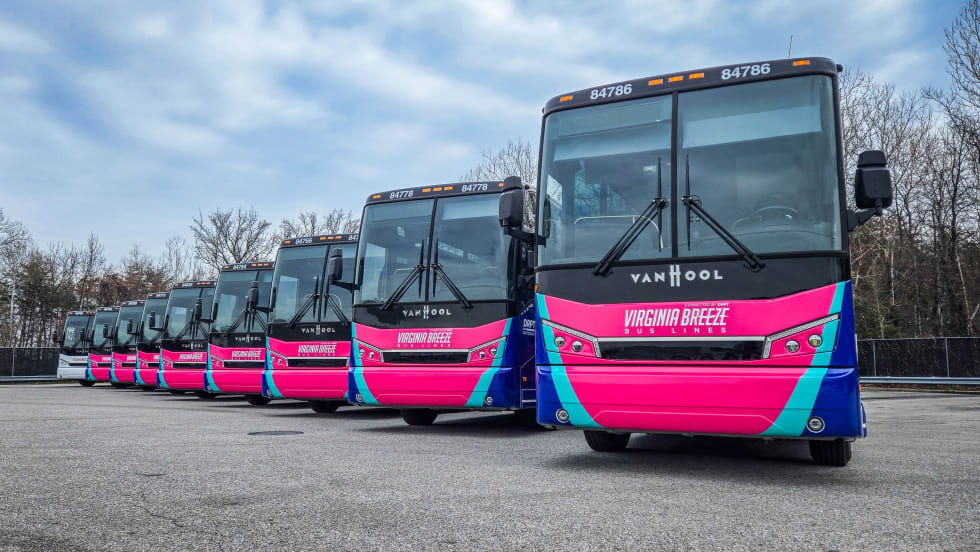
Motorcoach Market Remains Flat Amid Shift in Buying Patterns
Q2 sales totaled 514 units, up slightly from 2025, as operators favored pre-owned equipment and public-sector purchases increased.
Read More →
Biz Briefs: OCTA Taps Clean Energy for Hydrogen Station, Stadler to Supply Via Rail Vehicles, and More
From manufacturers and suppliers to transit agencies and motorcoach operators, these updates offer a snapshot of the projects, partnerships and business moves driving the industry forward.
Read More →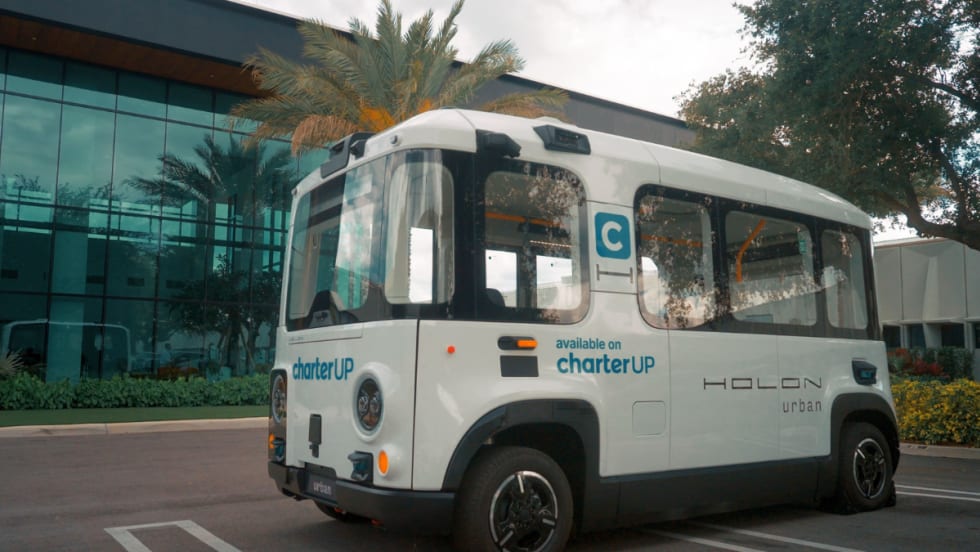
CharterUP Expands Into New Mobility and Autonomous Transportation
Vice President of New Mobility Stephen Joos discusses how CharterUP is leveraging its nationwide transportation network, technology platform, and autonomous vehicle partnerships to expand into workforce mobility, campus shuttles, and transit solutions.
Read More →
Biz Briefs: STV teams with Amtrak, Motorcoach Operators Boost Fleet and Land Contracts, and More
From manufacturers and suppliers to transit agencies and motorcoach operators, these updates offer a snapshot of the projects, partnerships and business moves driving the industry forward.
Read More →
EPA Proposal to Ease Diesel Emissions Compliance Could Improve Reliability for Motorcoach Operators
The EPA is proposing to remove DEF-related engine derates for new heavy-duty diesel vehicles, a change bus operators say would improve safety and reliability while sparking debate over the future of emissions enforcement.
Read More →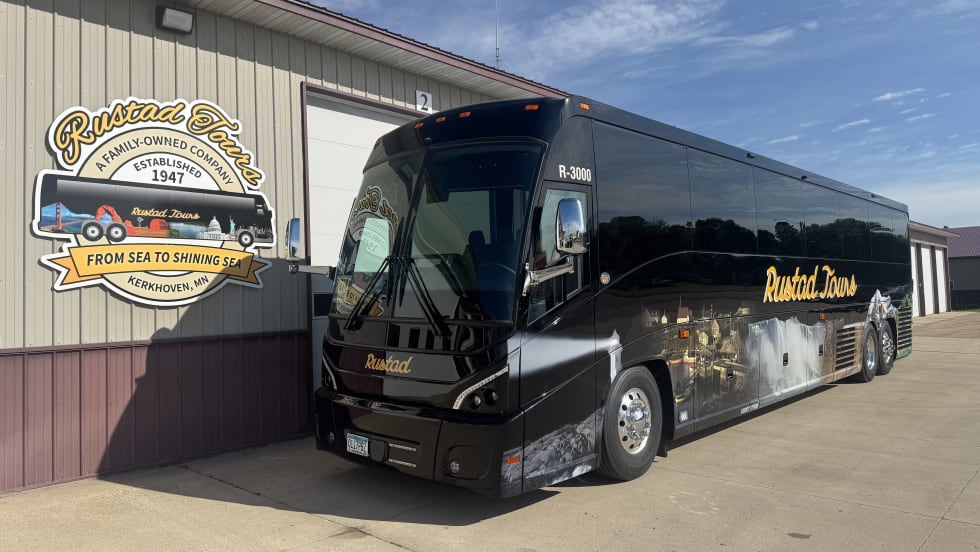
Minnesota's Rustad Tours Takes Delivery of New MCI Motorcoach
The latest addition represents Rustad Tours’ 17th new MCI coach, marking more than four decades of partnership between the two companies.
Read More →
Biz Briefs: Endera Delivers to California, Safety Vision Teams with San Antonio's VIA, and More
From manufacturers and suppliers to transit agencies and motorcoach operators, these updates offer a snapshot of the projects, partnerships and business moves driving the industry forward.
Read More →
Modernizing Mobility with CharterUP CEO Armir Harris
From digital transformation to evolving customer demands, CharterUP's Armir Harris offers his perspective on the transportation industry's next chapter.
Read More →