




Related: [Video] Driverless shuttle demos on Sacramento St. U. campus
Calif. autonomous vehicle program to solve first, last mile issues
The city envisions the autonomous vehicle shuttles to provide on-demand, point-to-point transportation within the city, with users requesting a ride using their smart phones, according to a city release.
April 11, 2016
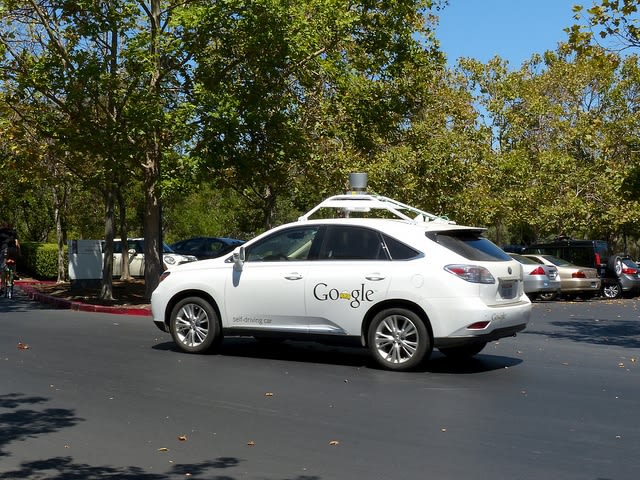
courtesy Government Fleet Magazine
2 min to read

The City of Beverly Hills, Calif. passed an initiative to develop an autonomous vehicle (AV) program for public transportation.
The City Council hopes this will address “first and last mile” issues related to the Los Angeles Metro's expansion into the city.
“This is a game-changer for Beverly Hills and, we hope, for the region,” said Mayor John Mirisch. “Beverly Hills is the perfect community to take the lead to make this technology a reality. It is now both feasible and safe for autonomous cars to be on the road.”
LA Metro’s subway extension, which is expected to be operational by 2026, will include two stops in Beverly Hills but no new public parking is planned. The City envisions the autonomous vehicle shuttles to provide on-demand, point-to-point transportation within the city, with users requesting a ride using their smart phones, according to a city release.
The City plans to develop partnerships with AV manufacturers such as Google and Tesla, work with regulators and policymakers and create a white paper outlining the AV program.
Craig Crowder, fleet manager for the City of Beverly Hills, who will be a member of the committee to research the project, is excited about adopting the newest technology into the city fleet. But he admits the city is just beginning.
“There are a lot of hurdles to overcome at this point,” he said. These include vehicles not yet being available and state and federal regulations.
A number of companies are predicting they will have AVs on the market in two to five years.
More New Mobility
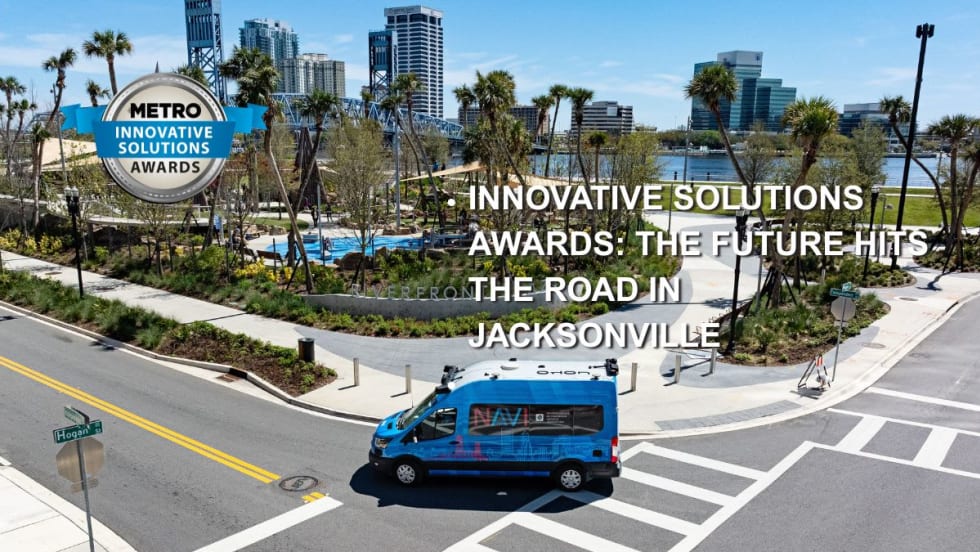
Jacksonville’s NAVI Project Charts a New Course for Autonomous Public Transportation
Through its NAVI program, JTA is showing how autonomous vehicles, intelligent infrastructure, and coordinated operations can work together to deliver everyday public transportation.
Read More →
Biz Briefs: Luminator Marks Milestone and More
From manufacturers and suppliers to transit agencies and motorcoach operators, these updates offer a snapshot of the projects, partnerships and business moves driving the industry forward.
Read More →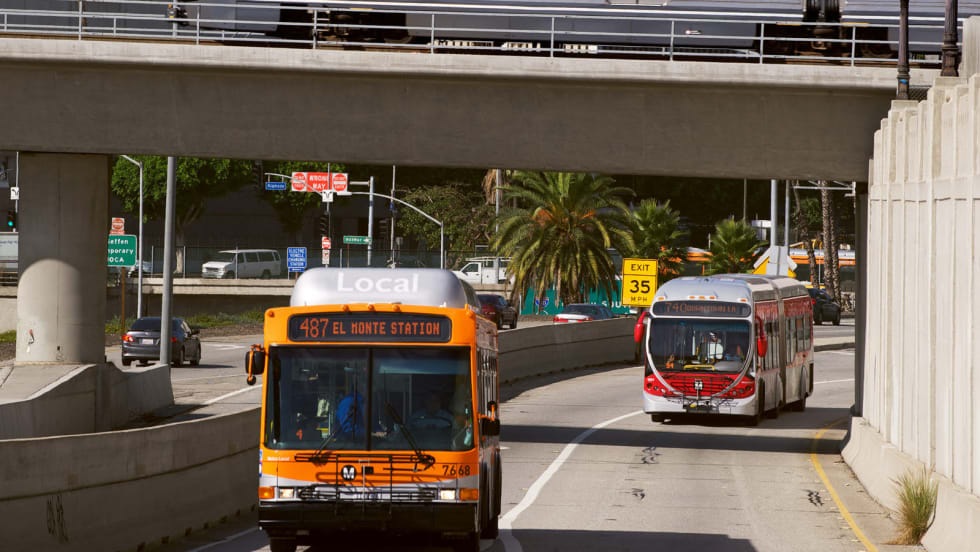
New Tricks for Old Bureaucracies: Joshua Schank on Making Transit Innovation Stick
Former LA Metro Chief Innovation Officer Joshua Schank discusses why good ideas aren't enough, how transit agencies can overcome resistance to change, and why today's challenges demand more innovation.
Read More →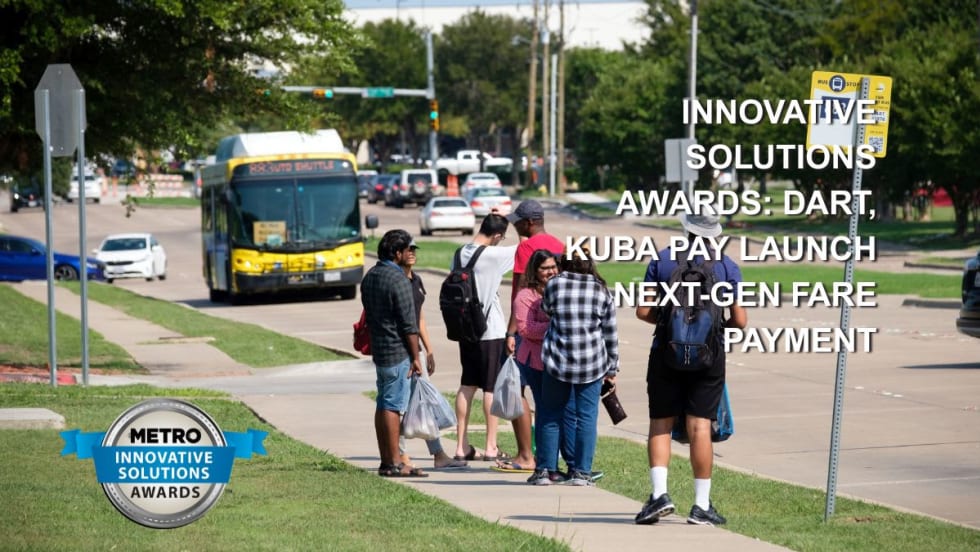
How DART's GoPass Is Redefining Regional Mobility
Serving 14 transit agencies, GoPass simplifies multimodal travel by allowing riders to plan, pay for, and manage an entire trip through one app.
Read More →
Biz Briefs: OCTA Taps Clean Energy for Hydrogen Station, Stadler to Supply Via Rail Vehicles, and More
From manufacturers and suppliers to transit agencies and motorcoach operators, these updates offer a snapshot of the projects, partnerships and business moves driving the industry forward.
Read More →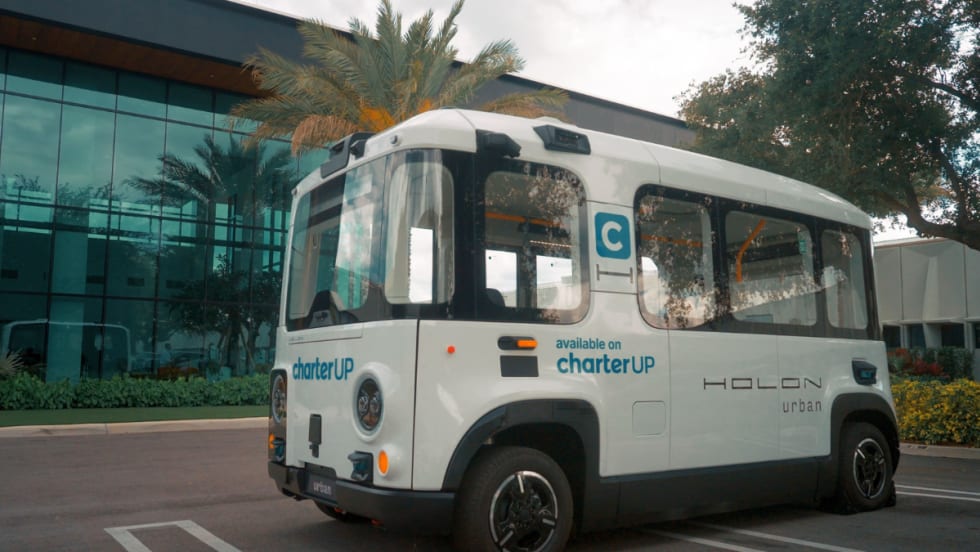
CharterUP Expands Into New Mobility and Autonomous Transportation
Vice President of New Mobility Stephen Joos discusses how CharterUP is leveraging its nationwide transportation network, technology platform, and autonomous vehicle partnerships to expand into workforce mobility, campus shuttles, and transit solutions.
Read More →
METRO Magazine Announces 2026 Innovative Solutions Awards Winners
Projects Recognized for Advancing Mobility Through Technology, Accessibility, Workforce Innovation, and Operational Excellence
Read More →
Biz Briefs: STV teams with Amtrak, Motorcoach Operators Boost Fleet and Land Contracts, and More
From manufacturers and suppliers to transit agencies and motorcoach operators, these updates offer a snapshot of the projects, partnerships and business moves driving the industry forward.
Read More →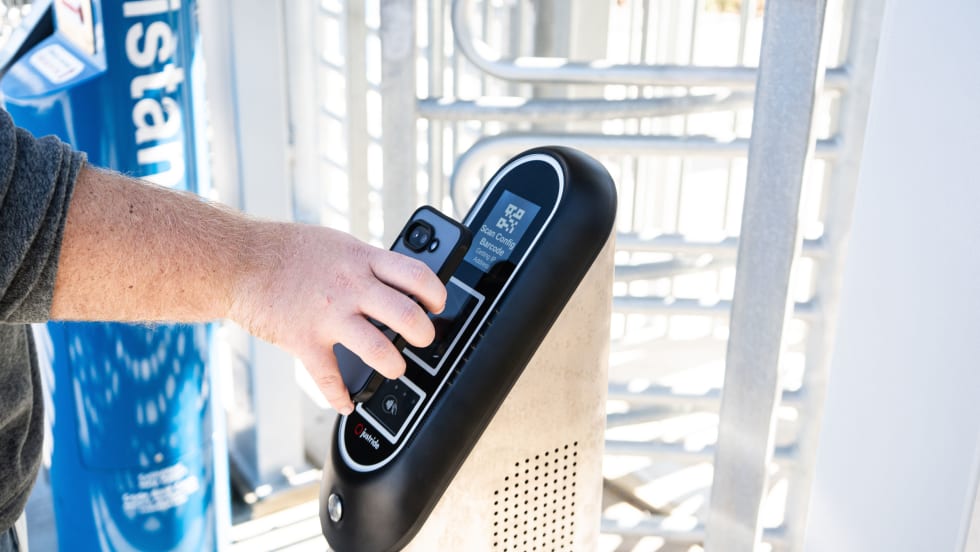
Biz Briefs: Masabi Teams with St. Louis Metro and More
In METRO's latest installment, we take a look at recent news from Transdev, Hitachi, and more partnerships making headlines across the transportation sector.
Read More →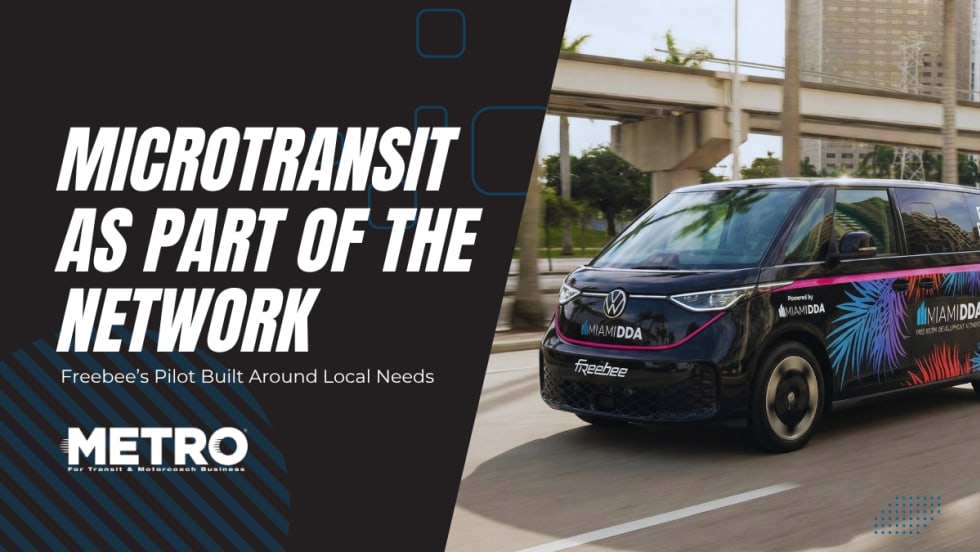
Microtransit's Next Test: Becoming Part of the Network
Freebee shows how electric microtransit is moving beyond pilots to fill network gaps, connect riders to transit, and prove lasting value.
Read More →