



California's AVTA Leads Agencies Honored by FTA for Lowering Environmental Footprint
FTA presented the awards in coordination with other efforts undertaken across USDOT to reduce greenhouse gas (GHG) emissions in the transportation sector
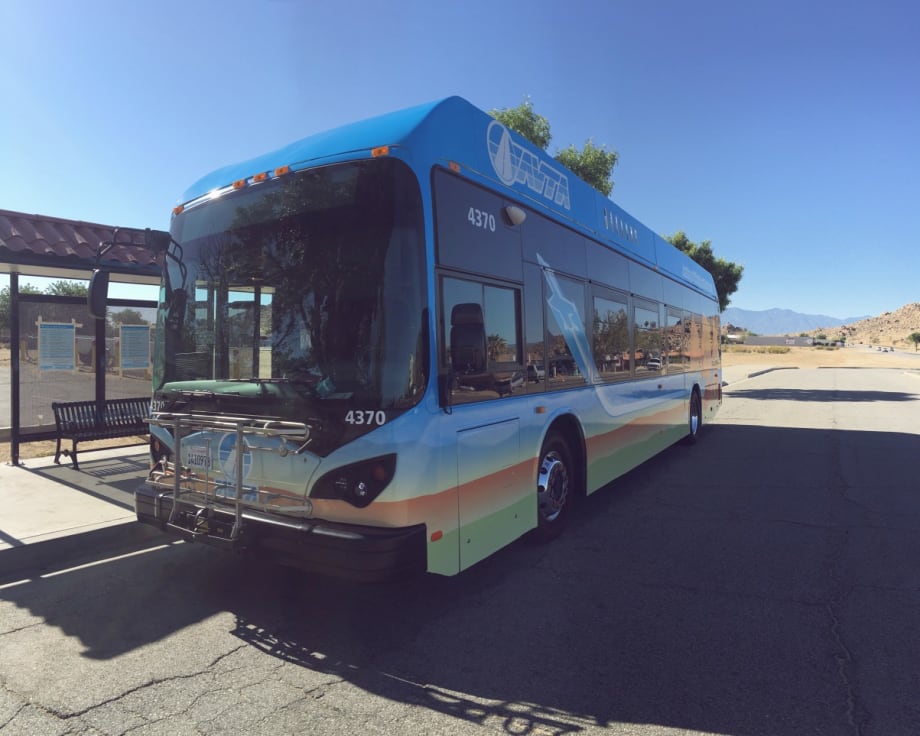
Antelope Valley Transit Authority in Lancaster, Calif. met its 100% electric fleet goal, the first agency to achieve this feat in North America.
AVTA
The Federal Transit Administration (FTA) recognized the exemplary efforts of 10 transit agencies to combat climate change through its Sustainable Transit for a Healthy Planet initiative, including the first transit agency to meet its goal for a 100% electric fleet.
FTA presented the awards in coordination with other efforts undertaken across USDOT to reduce greenhouse gas (GHG) emissions in the transportation sector, which is the number one source of emissions in the U.S. economy. Transit, and especially low- and no-emission transit, is key to quickly ramping up efforts to address climate change.
“By helping people efficiently and affordably get where they need to go, public transit plays a key role in reducing greenhouse gas emissions” said U.S. Transportation Secretary Pete Buttigieg. “We’re delighted to honor these ten public transit agencies leading the charge to protect our communities against climate change.”
Created in June 2021 to help advance President Biden’s ambitious GHG reduction goals, the FTA’s Climate Challenge calls on transit agencies to develop strategies to reduce emissions, such as converting fleets to electric buses, making facilities more energy efficient, and generating power through renewable energy sources. Although the transportation sector is the leading emitter of GHGs in the United States each year, the transit industry has long been at the forefront in reducing emissions. A total of 171 transit agencies from Maine to Hawaii signed on to participate in the FTA Climate Challenge. Throughout the year, FTA helped participants advance their goals with technical resources, targeted listening sessions, and peer exchanges.
“Transit agencies across the country are greening their fleets, hardening critical infrastructure, and transitioning their workforces to reduce the disproportionate impacts of a warming climate on their communities,” said FTA Administrator Nuria Fernandez. “We know that transportation is responsible for more greenhouse gases than any other industry. Transit is one of the keys to changing that, addressing the climate crisis by taking cars off the road and electrifying vehicles nationwide. Through the Climate Challenge, FTA is working to make transit even greener.”
Investing in climate friendly technologies and operations can help transit agencies save money. For example, Antelope Valley Transit Authority in Lancaster, Calif., reported a savings of $2.3 million after converting its bus fleet to all electric, largely thanks to saving 1,750,000 gallons of diesel fuel.
FTA’s Buy America provisions mean that when transit agencies purchase low and no emissions buses, charging equipment and other tools to reduce emissions they are supporting American manufacturing.
Awardees, chosen across eight categories, include:
Most Accomplished:Antelope Valley Transit Authority in Lancaster, Calif. met its 100% electric fleet goal, the first agency to achieve this feat in North America.
Most Ambitious: Los Angeles County Metropolitan Transportation Authority set a goal that exceeded the President’s goals of a 50% reduction in GHG emissions.
Most Collaborative: Iowa City Transit successfully leveraged state, local and private partnerships to advance its climate action strategies.
Most Equitable: King County Metro in Seattle, Wash. developed a plan focused on addressing climate change impacts and transportation access in underserved communities.
Most Innovative: Champaign-Urbana Mass Transit in Urbana, Ill., demonstrated the use of creative solutions to implement its climate action strategy.
Most Transformative: Sound Transit in Seattle, Wash., developed a plan demonstrating sustainability throughout the agency, including fleets, facilities and operations.
First to the Finish: Metropolitan Transit Authority of Harris County in Houston, Tex., was the first to submit its new climate action plan, delivered on February 4, 2022.
Champions of the Challenge: This award was bestowed on small, medium, and large transit agencies that developed plans that include achievable, ambitious strategies for reaching their GHG emission reduction goals:
o Capital Metropolitan Transportation Authority, Austin, Texas (large)
o Central Ohio Transit Authority, Columbus, Ohio (medium)
o Rockford Mass Transit District, Rockford, Ill. (small)
FTA also launched phase two of the Climate Challenge, which seeks to increase participation and focuses on electrification or zero-emission transition plans to achieve the President’s GHG emissions goals.
More Zero Emissions
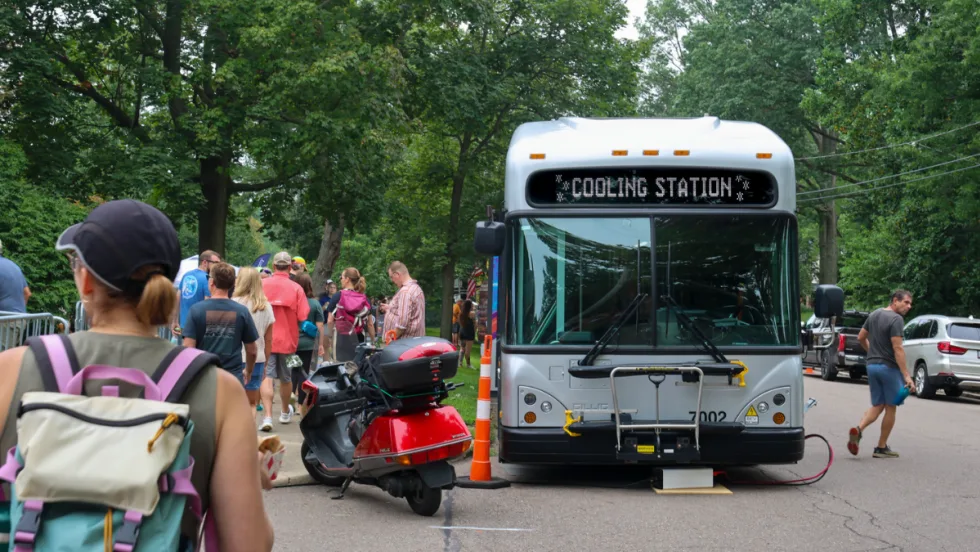
Ohio’s METRO RTA Turns Electric Buses into Mobile Power Sources at PorchROKR
See how three Gillig battery-electric buses powered festival stages while the agency’s new Park & Ride service carried approximately 1,000 attendees, demonstrating another potential use for transit agencies’ electric fleets.
Read More →
CALSTART and Forth Combine to Form Catalyst Mobility
The new name represents a renewed vision for the nonprofit focused on advancing clean, equitable, and affordable transportation solutions that move people and goods.
Read More →
Building a Flexible Path to Transit Electrification
John Hroncich discusses BAE Systems’ modular and scalable approach, lessons learned from decades of real-world operations, and how agencies can identify electrification strategies that fit their fleets.
Read More →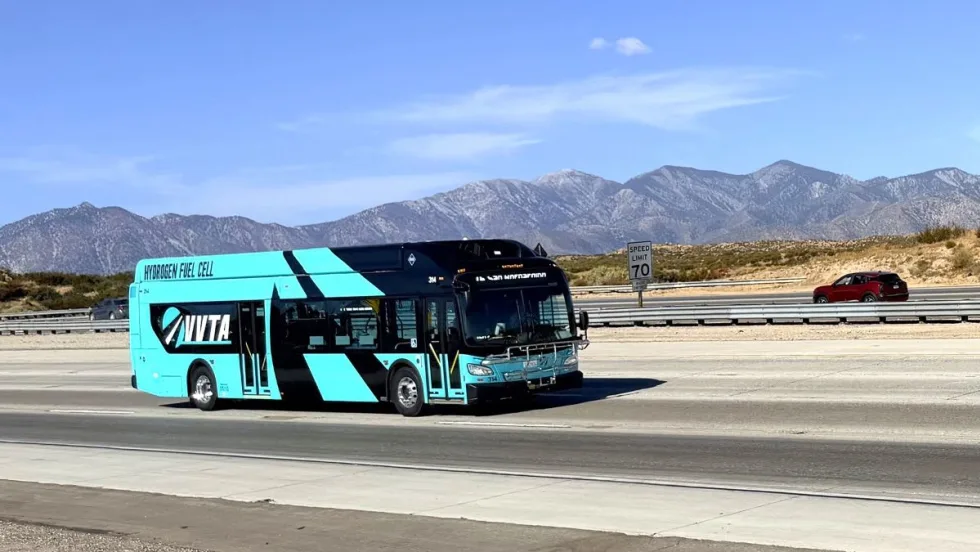
California's VVTA Begins Phased Rollout of Hydrogen Fuel Cell Buses
The agency is introducing 13 zero-emission buses into revenue service while evaluating performance across its urban, rural, and long-distance routes.
Read More →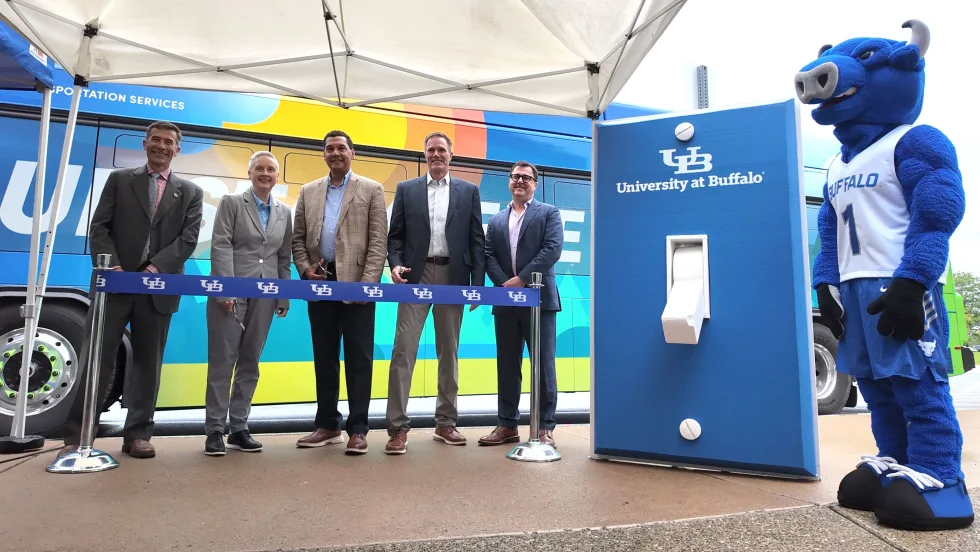
Inside Look: University at Buffalo Puts First 8 Electric Buses Into Stampede Service
UB, transportation solutions provider WeDriveU, and fleet electrification specialist Zenobē marked the deployment in the presence of students, university administrators, and local officials.
Read More →
Biz Briefs: OCTA Taps Clean Energy for Hydrogen Station, Stadler to Supply Via Rail Vehicles, and More
From manufacturers and suppliers to transit agencies and motorcoach operators, these updates offer a snapshot of the projects, partnerships and business moves driving the industry forward.
Read More →
AC Transit’s Cecil Blandon on Building the Next Generation of Transit Maintenance Leaders
The agency’s maintenance chief discusses leadership, workforce development, zero-emission technology, and preparing technicians for the future of public transportation.
Read More →
CTDOT Taps STV for Electric Bus Facility Design
The firm will work with CTDOT and RVT to define the facility layout, operational requirements, and long-term flexibility for RVT’s growing electric fleet.
Read More →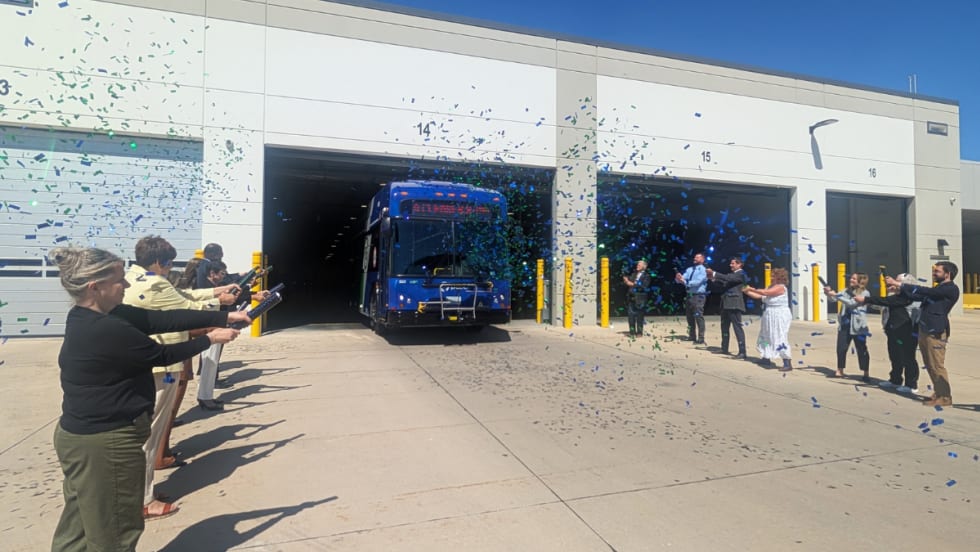
Chicago’s Pace Deploys 24 Hybrid-Electric Buses in Will County
The new buses reduce emissions and fuel consumption while advancing the agency's long-term goal of transitioning to a fully zero-emission fleet.
Read More →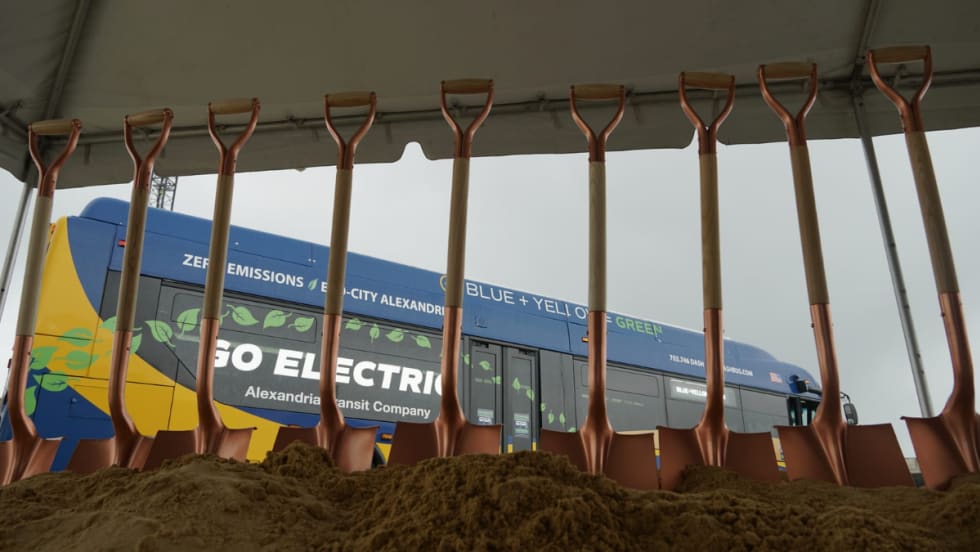
DASH Breaks Ground on First On-Route Electric Bus Chargers in D.C. Region
The fast-charging infrastructure will help extend electric bus range, improve fleet utilization, and support DASH's goal of transitioning to a fully zero-emission fleet.
Read More →