



California's SMRT Reaches 100% Zero Emission Vehicle Goal
With the most recent delivery of six electric buses from GILLIG this October, SMRT’s operational zero-emission fleet now totals 40 vehicles.

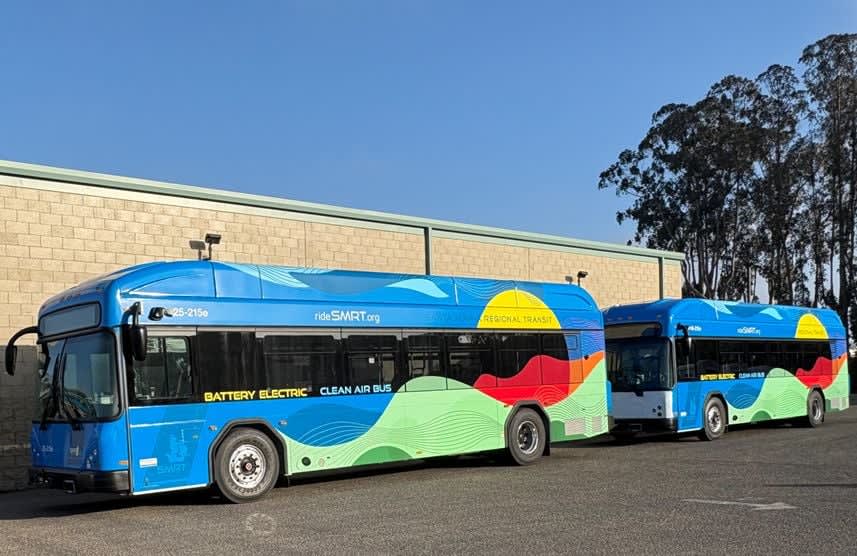
While the remaining stock of diesel buses must be kept in use until they meet their federally defined useful life, SMRT has reached the critical threshold of vehicles necessary to operate a 100% electric fleet.
Photo: SMRT
California’s Santa Maria Regional Transit (SMRT) announced the successful culmination of a four-year initiative to transition to a fully 100% battery-electric transit fleet.
With the most recent delivery of six electric buses from GILLIG this October, SMRT’s operational zero-emission fleet now totals 40 vehicles, securing its place as perhaps only the second transit agency in the U.S. to complete this conversion to a 100% zero-emission transit fleet.
"These efforts are a reflection of our commitment to prioritizing financial prudence and a focus on long-term security," said Gamaliel Anguiano, transit services manager for SMRT. "By converting to an all-electric fleet, we are moving SMRT toward greater independence from volatile global fuel markets and potential supply chain issues while also realizing substantial operating cost savings of hundreds of thousands of dollars each year. This investment in our community's future is a practical step towards fulfilling our objectives of being a ‘Smart City, Safe City.’"
Accomplishing 100% Zero Emissions
The significant accomplishment ensures that SMRT has sufficient electric vehicles and charging infrastructure on hand to operate a fleet of solely electric cars across its fixed-route, paratransit, microtransit, and support vehicle segments.
While the remaining stock of diesel buses must be kept in use until they meet their federally defined useful life, SMRT has reached the critical threshold of vehicles necessary to operate a 100% electric fleet.
The transition to a fully electric fleet provides tangible benefits beyond emission savings, according to SMRT officials:
Substantial Operating Cost Savings: Electric vehicles require less maintenance and eliminate reliance on costly, fluctuating diesel fuel. This transition is projected to save SMRT approximately $400,000 per year.
Insulation from Supply Chain Issues: With electric vehicles having up to 75% fewer moving parts, SMRT reduces its exposure to supply chain issues, ensuring greater stability of service for the community.
Technological Modernization: The new fleet represents a significant upgrade, offering improved performance and advanced features, including cutting-edge artificial intelligence technology, technologically advanced interiors, and enhanced safety capabilities.
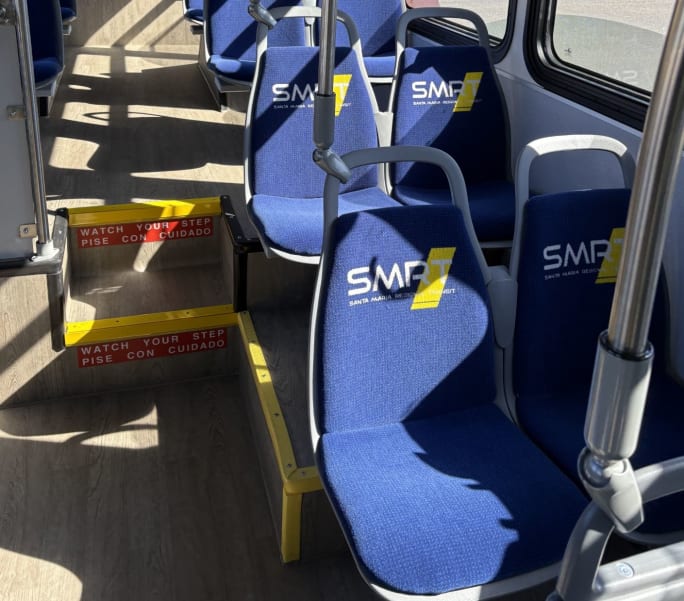
SMRT is committed to offering efficient and reliable transit solutions that are sustainable and financially sound for the community, said officials.
Photo: SMRT
Making Dreams A Reality
The major shift was made possible through the financial support provided by both the State of California and the Federal Transit Administration funds.
SMRT is committed to offering efficient and reliable transit solutions that are sustainable and financially sound for the community.
More Zero Emissions
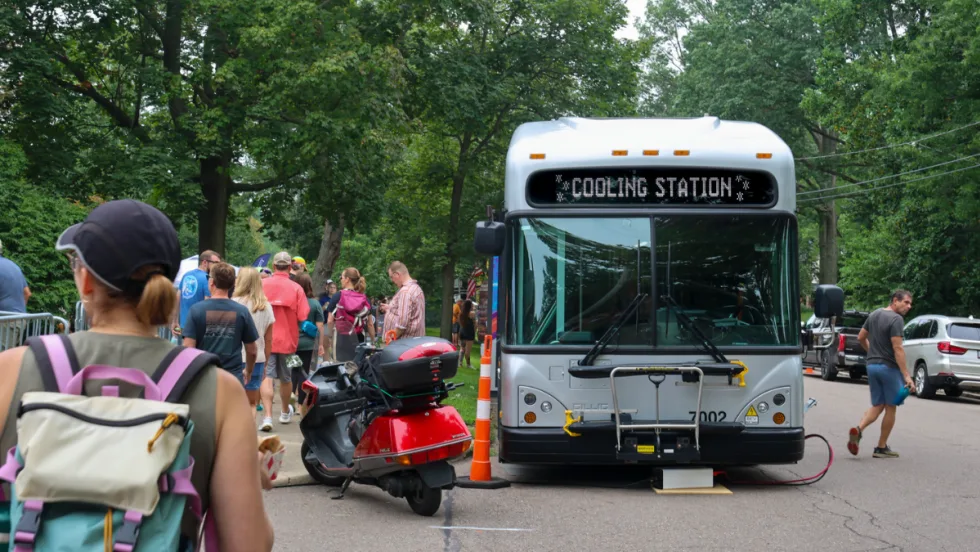
Ohio’s METRO RTA Turns Electric Buses into Mobile Power Sources at PorchROKR
See how three Gillig battery-electric buses powered festival stages while the agency’s new Park & Ride service carried approximately 1,000 attendees, demonstrating another potential use for transit agencies’ electric fleets.
Read More →
CALSTART and Forth Combine to Form Catalyst Mobility
The new name represents a renewed vision for the nonprofit focused on advancing clean, equitable, and affordable transportation solutions that move people and goods.
Read More →
Building a Flexible Path to Transit Electrification
John Hroncich discusses BAE Systems’ modular and scalable approach, lessons learned from decades of real-world operations, and how agencies can identify electrification strategies that fit their fleets.
Read More →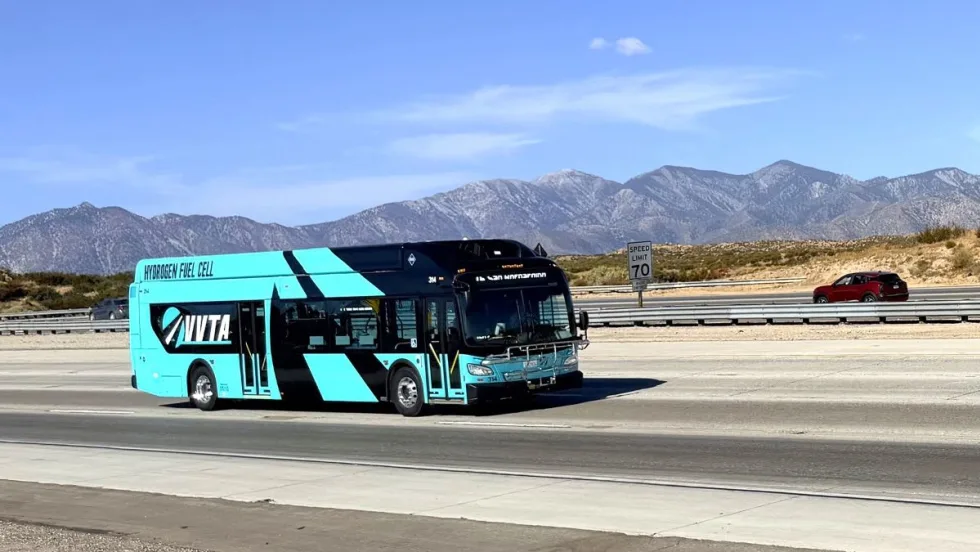
California's VVTA Begins Phased Rollout of Hydrogen Fuel Cell Buses
The agency is introducing 13 zero-emission buses into revenue service while evaluating performance across its urban, rural, and long-distance routes.
Read More →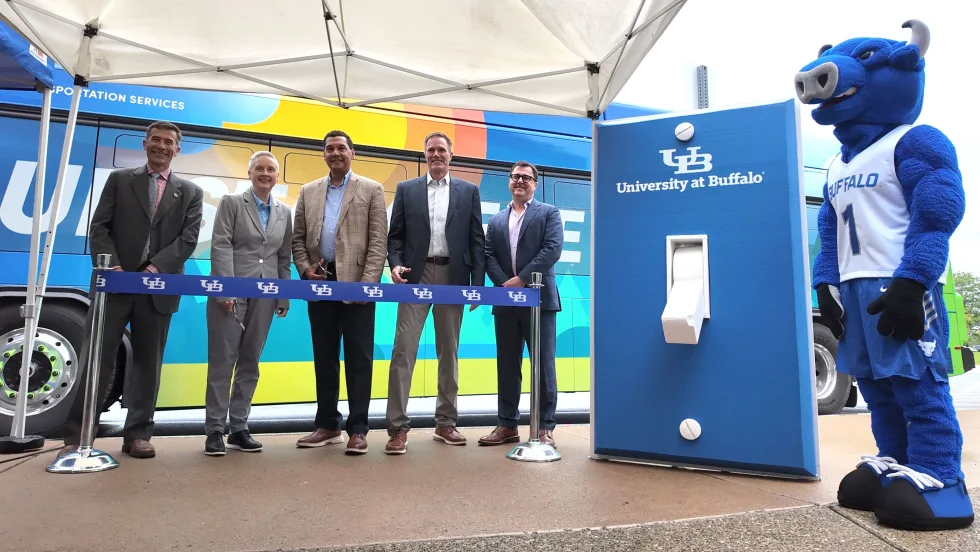
Inside Look: University at Buffalo Puts First 8 Electric Buses Into Stampede Service
UB, transportation solutions provider WeDriveU, and fleet electrification specialist Zenobē marked the deployment in the presence of students, university administrators, and local officials.
Read More →
Biz Briefs: OCTA Taps Clean Energy for Hydrogen Station, Stadler to Supply Via Rail Vehicles, and More
From manufacturers and suppliers to transit agencies and motorcoach operators, these updates offer a snapshot of the projects, partnerships and business moves driving the industry forward.
Read More →
AC Transit’s Cecil Blandon on Building the Next Generation of Transit Maintenance Leaders
The agency’s maintenance chief discusses leadership, workforce development, zero-emission technology, and preparing technicians for the future of public transportation.
Read More →
CTDOT Taps STV for Electric Bus Facility Design
The firm will work with CTDOT and RVT to define the facility layout, operational requirements, and long-term flexibility for RVT’s growing electric fleet.
Read More →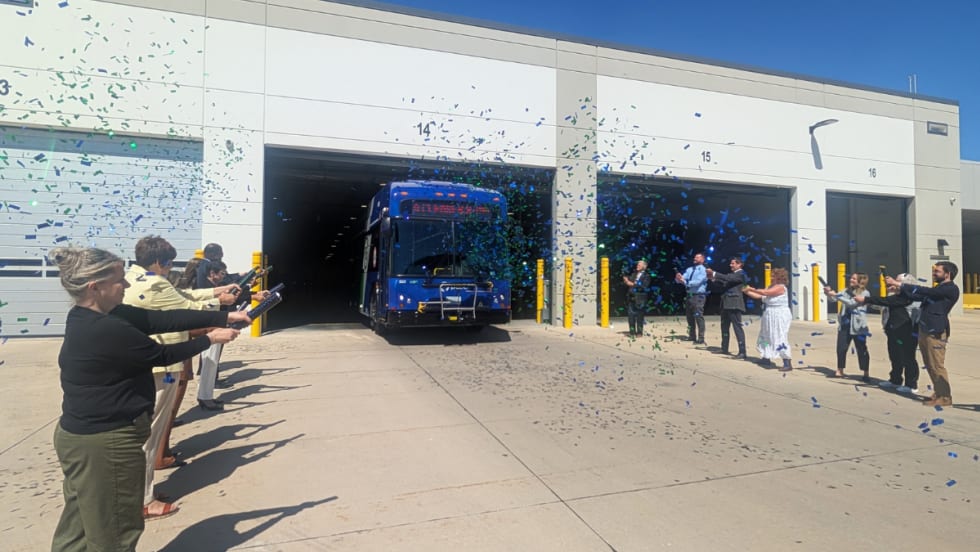
Chicago’s Pace Deploys 24 Hybrid-Electric Buses in Will County
The new buses reduce emissions and fuel consumption while advancing the agency's long-term goal of transitioning to a fully zero-emission fleet.
Read More →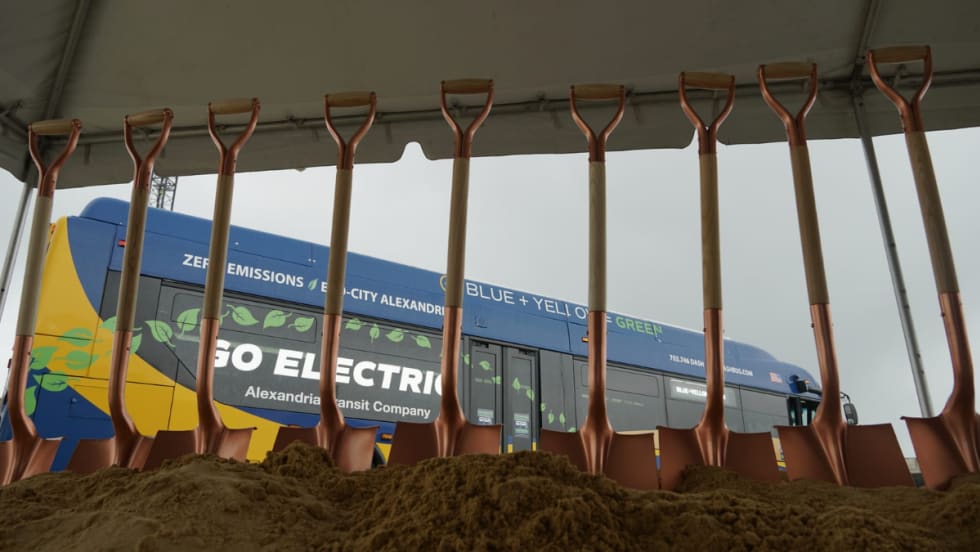
DASH Breaks Ground on First On-Route Electric Bus Chargers in D.C. Region
The fast-charging infrastructure will help extend electric bus range, improve fleet utilization, and support DASH's goal of transitioning to a fully zero-emission fleet.
Read More →