



Caltrain's long-range vision includes fast, frequent service on all lines
Over the period of this vision, peak hours would see eight trains per direction per hour, with all day express service every 15 minutes, and increased off-peak and weekend services.

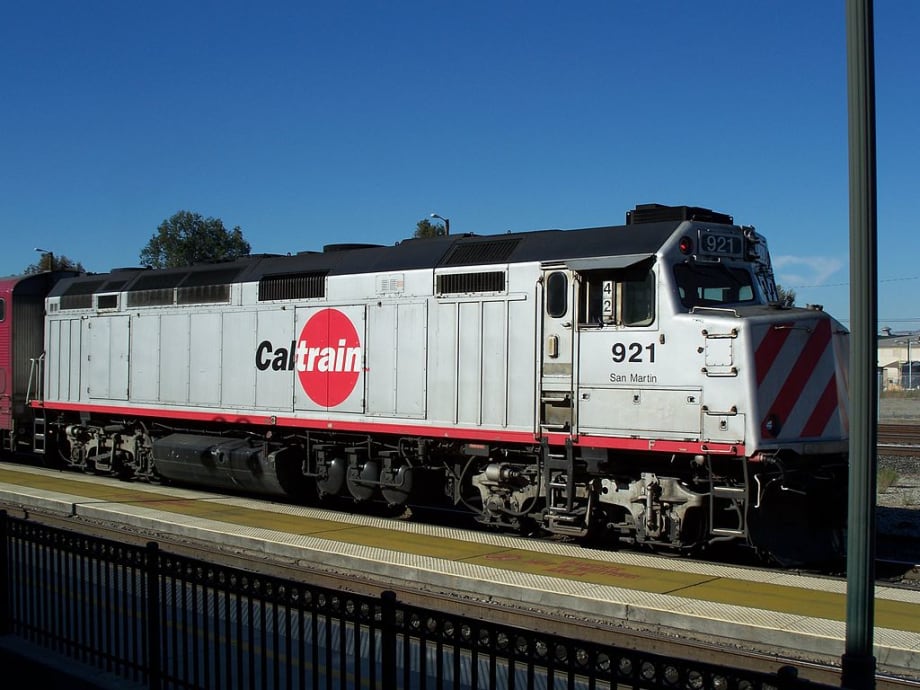
Increased frequency, paired with longer trains, would massively expand capacity to nearly 180,000 riders per day.
Eugene Zelenko
Increased frequency, paired with longer trains, would massively expand capacity to nearly 180,000 riders per day.
Eugene Zelenko
Caltrain released its draft Service Vision for the next 20-plus years of service on the line. During a live YouTube Town Hall event, staff highlighted the improvements in service, capacity, and connectivity that the plan entails. The draft Caltrain Business Plan 2040 Service Vision aims to ensure that Caltrain can continue to provide the greatest value possible to its riders and the Bay Area well into the future.
“This is a vision that ensures Caltrain can continue to be what it has been for so many years: an indispensable resource for the region and our riders,” said Caltrain CEO Jim Hartnett. “Our long-range vision will improve frequency, sustainability, and connectivity, while ensuring that Caltrain continues to add value to communities at every stop along the way.”
Under the vision recommended by Caltrain’s professional staff, fast and frequent service would be the standard on the line every day, all day — ensuring riders and communities are able to get where they need to be safely and efficiently. Over the last two decades, Caltrain ridership has more than doubled, and today Caltrain serves nearly 65,000 passengers per day, on average.
RELATED: Caltrain joins regional means-based fare pilot
Over the period of this vision, peak hours would see eight trains per direction per hour, with all day Baby Bullet express service every 15 minutes, and increased off-peak and weekend services. The increased frequency, paired with longer trains, would massively expand capacity to nearly 180,000 riders per day. The plan envisions end-to-end, electrified service from Gilroy to San Francisco all day in both directions, improving connections for communities all along the line.
This vision would also ensure that Caltrain is ready to expand and integrate into a regional rail network over the next 20 years including the expected Downtown Extension to the Salesforce Transit Center in Downtown San Francisco, a potential renewed rail corridor across the Dumbarton Bridge and enhancements at Diridon Station in San Jose. It prepares Caltrain for a future shared corridor with high-speed rail, and considers opportunities presented by a second Transbay crossing, expanded service to the Monterey Peninsula, and investments along the Altamont Corridor Express and Capital Corridor services.
Critically, the plan would put Caltrain in the best position to meet a wide range of eventualities — including a future where ridership grows substantially. It also presents a detailed assessment of Caltrain’s organizational structure and lays out options for how it can evolve to meet the demands of the system. While Caltrain has over 70% farebox recovery and low administrative costs, and is among the nation’s most efficient railroads, this plan also reiterates the ongoing need for a dedicated funding source to help provide the resources needed to sustain and grow operations.
RELATED: SamTrans, Caltrain launch ridership rewards program
In 2017, Caltrain secured full funding to complete the electrification of the Caltrain corridor. Electrification will be complete by 2022, and will provide the foundation for implementation of the 2040 Service Vision. Electrification combined with this vision will help bring more environmentally sustainable commuting to the region, with four million vehicle trips averted each year and an overall reduction of nearly two million metric tons of CO2.
Following the YouTube Town Hall, the Caltrain Full Board of Directors will next discuss the Business Plan and Long Range Service Vision at their meeting in August. Once the Caltrain Board adopts a Long Range Service Vision, as early as October 2019, staff will complete the Business Plan by early 2020.
More Rail

New York MTA Advances Final Contract for Second Avenue Subway Expansion
Contract Four is the largest in the Second Avenue Subway Phase 2 project and includes construction of station infrastructure, tracks, and signals for the subway expansion, MTA officials said. Work on Contract Four will begin in 2027.
Read More →
San Diego MTS Breaks Monthly Trolley Ridership Record
Agency officials said July’s ridership indicates MTS’s continued recovery from the pandemic.
Read More →
Report Examines NJ TRANSIT Reliability, Funding Challenges
The Garden State Initiative analysis examines the roles of Amtrak infrastructure, fleet management, and agency operations while recommending a more performance-based approach to improving reliability.
Read More →
Stadler, CapMetro Sign Long-Term Rail Fleet Support Agreement
Beginning in 2027, Stadler will provide on-site technical expertise, spare parts support, training, and obsolescence management to help extend the reliability and longevity of CapMetro’s GTW fleet.
Read More →
Biz Briefs: Alstom Lands Canadian Contract, LYT to Supply California TSP, and More
In METRO's latest installment, we take a look at recent news from Complete Coach Works, Beep, FlixBus, and more partnerships making headlines across the transportation sector.
Read More →
CATS Gold Line Marks 5 Years of Service, 2.8M Passenger Trips
With a six-mile expansion planned, the Charlotte streetcar is positioned to connect more neighborhoods and major transit hubs across the region.
Read More →
Why Simulating Pedestrian Movement Has Become Essential for Modern Rail Stations
Pedestrian microsimulation is helping rail planners identify bottlenecks, test station designs, and prepare complex transit hubs for growing passenger volumes.
Read More →
Amtrak Begins Major Construction at New York’s Sunnyside Yard
The new maintenance facility will support Amtrak’s Airo trainsets while improving maintenance efficiency and turnaround times in New York.
Read More →
Chicago Leaders Unveil Plans for O’Hare Airport Express Train
The privately developed project would offer a 15-minute trip between downtown and O’Hare’s Terminal 2, with trains operating every 15 minutes on a dedicated track. The service would use battery-electric trains and three existing freight rail rights-of-way.
Read More →
OCTA Maps Out 30-Year Strategy to Protect Coastal Rail Corridor
The draft feasibility report identifies strategies to protect the coastal rail line for decades as the agency continues near-term stabilization and sand placement efforts.
Read More →