



Caltrain joins regional pilot program for means-based fares
The program will allow low-income transit riders to qualify for a discount through the use of a Clipper card.

California’s Caltrain board of directors unanimously adopted a resolution of support for the agency’s participation in a regional means-based fare pilot program. The program, led by the Metropolitan Transportation Commission (MTC), will allow low-income transit riders to qualify for a discount through the use of a Clipper card. The regional pilot program is currently in the process of being developed, based on a Means-Based Fare Pilot Program Framework approved by MTC last May.
Additional Caltrain board actions will be necessary to formally approve Caltrain’s participation in the pilot program, including completing the process of updating the agency’s Codified Tariff. This resolution of support indicates that the Caltrain board intends to approve Caltrain’s participation in the regional pilot program in 2019. One of the goals of the Caltrain Fare Policy, adopted by the Caltrain board in 2018, is to “advocate for and participate in state and regional programs that make it more affordable for low-income customers to use transit.”
The regional pilot program will run for 12 to 18 months and is expected to launch in fall 2019. Adults that earn less than 200% of the Federal Poverty Level will be eligible for pilot program participation and will receive a minimum discount of 20% off of single-ride adult Clipper Card fares. In addition to Caltrain, other pilot program participants include BART; San Francisco Municipal Transportation Agency; and the Golden Gate Bridge, Highway, and Transportation District. The pilot program will be centrally administered and implemented on behalf of all participating agencies.
MTC staff is working in close coordination with staff from transit agencies and county social service and public health agencies in the process to develop and implement the pilot program.
More Rail
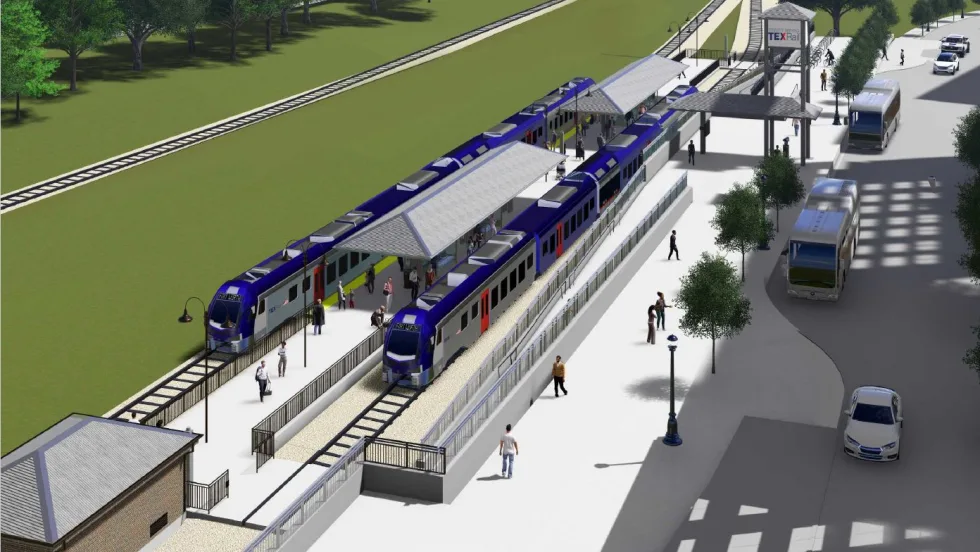
Trinity Metro Breaks Ground on $270M TEXRail Extension
The 2.1-mile extension will connect Fort Worth’s Medical District and Near Southside to downtown, surrounding communities, and Dallas-Fort Worth International Airport.
Read More →
Bringing Austin’s First Light Rail System to Life
Austin Transit Partnership CEO Greg Canally discusses the city's nearly 10-mile light rail project, its collaborative approach to project delivery, the importance of community engagement, and the milestones ahead as construction approaches in 2027.
Read More →
Metra Draft Plan Outlines Costs, Service Improvements for Regional Rail
The Systemwide Network Plan identifies infrastructure needs and potential investments to expand all-day, bidirectional rail service across the Chicago region.
Read More →
Amtrak Completes First Street Tunnel Upgrades, Restores Service
The nine-day construction project included replacing aging track infrastructure and modernizing switch systems near Washington Union Station.
Read More →
FRA Announces $2.3B for Passenger, Freight Rail Projects Nationwide
The CRISI Grant Program funding will support rail infrastructure improvements, safety upgrades, and projects aimed at improving freight and passenger rail service across 45 states and Washington, D.C.
Read More →
Caltrain’s Electrification Drives a New Era of Ridership Growth
The railroad’s shift to electric service has brought more frequent trains, stronger customer satisfaction, and increased ridership, earning it APTA’s Outstanding Public Transportation System award.
Read More →
FTA Advances $164M Broward County Commuter Rail Project
The proposed 10.5-mile commuter rail extension would connect Fort Lauderdale and Aventura, expanding passenger rail options in South Florida.
Read More →
New York MTA Launches Historic $1.9B Signal, Track Modernization Project
Funded in part by congestion pricing revenue, the project will replace nearly century-old signals along the A and C lines in Brooklyn and Queens.
Read More →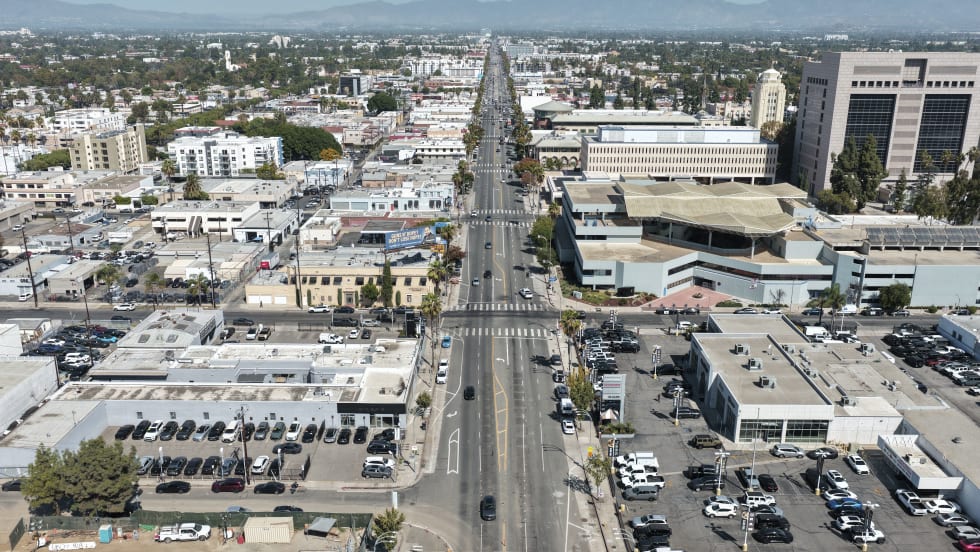
LA Metro Breaks Ground on East San Fernando Valley Light Rail Project
The 6.7-mile line will add 11 stations along Van Nuys Boulevard, expand access to jobs and regional transit connections, and support Metro’s broader efforts to improve mobility as rail ridership grows.
Read More →
CSA Group Releases Climate Resilience Standard for Transit, Passenger Rail
Developed with support from the Standards Council of Canada, CSA D700 guides assessing climate-related risks and planning adaptation measures for transit and passenger rail systems.
Read More →