



Canada seeking to mandate locomotive voice and video recorders
In November 2016, the Minister of Transport announced his intention to make the installation and use of LVVR mandatory, ensuring that the information could be used during accident investigations, while protecting the privacy of employees.

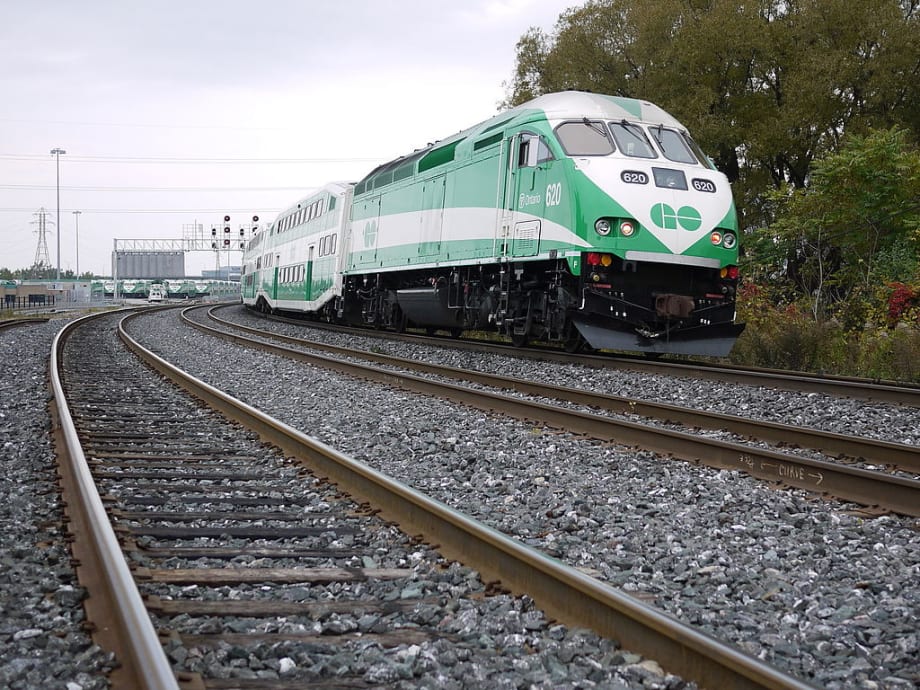

Following a fatal accident in February 2012, in Burlington, Ontario, which claimed the lives of three VIA Rail employees, the Transportation Safety Board of Canada (TSB) identified the need for in-cab voice and video recorders and added this issue to its Watchlist.
In September 2016, following a joint study with Transport Canada on the safety benefits, technical requirements and legal considerations of locomotive voice and video recorders (LVVR), the TSB released a report, which determined that rail safety would be enhanced if the data could be collected and used for proactive safety management as well as for post-accident/incident investigation.
In November 2016, the Minister of Transport announced his intention to make the installation and use of LVVR mandatory, ensuring that the information could be used during accident investigations, while protecting the privacy of employees.
Since fall 2016, Transport Canada officials have met with key stakeholders and partners including companies, unions, and the TSB. These discussions have focused on the type and configuration of equipment, scope of application, and how the information from the recorders would be used. During those consultations, it was generally determined that the safety benefits of LVVR would be maximized if the recording could be used by railway companies and Transport Canada for proactive safety management.
The Transportation Modernization Act proposes to amend the Railway Safety Act to mandate the installation of LVVR in locomotive cabs to further enhance the safety of the rail transportation system in Canada. The proposed legislative amendments would also limit the purpose for which the data is used, to mitigate the employees’ privacy concerns. As a result, LVVR would only be used by:
The TSB for accident/incident investigation purposes.
Federally-regulated companies - to conduct analysis via random sampling in order to identify safety concerns as part of ongoing safety management; to determine the cause of a reportable accident/incident not being investigated by the TSB; and to address a prescribed safety threat.
Transport Canada - for policy development such as trend analysis to inform future policies, regulations or legislation via random sampling; to determine the cause of a reportable accident/incident not being investigated by the TSB; to address a safety threat; and to ensure compliance with the specific provisions of the LVVR regime.
Mandating this technology would be in line with the Government of Canada’s commitment to enhancing railway safety and addresses recommendations made by the Canada Transportation Act Review Panel, the House of Commons Standing Committee on Transport, Infrastructure and Communities, and the TSB.
More Security and Safety
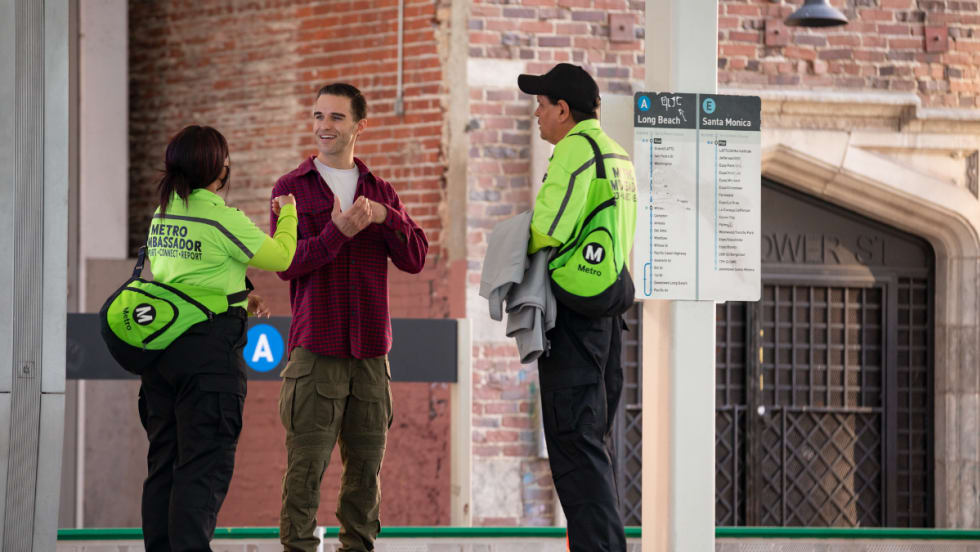
LA Metro Reports 57% Decline in Homelessness on Transit System Since 2024
The agency's latest homelessness count offers new data on how care-based services and cross-sector partnerships can complement traditional transit security strategies.
Read More →
FTA Launches 'Transit Moves America' Dashboard to Highlight Agency Safety and Performance
The online dashboard transforms National Transit Database information into a public-facing resource that allows users to compare transit agencies on key operational and safety metrics.
Read More →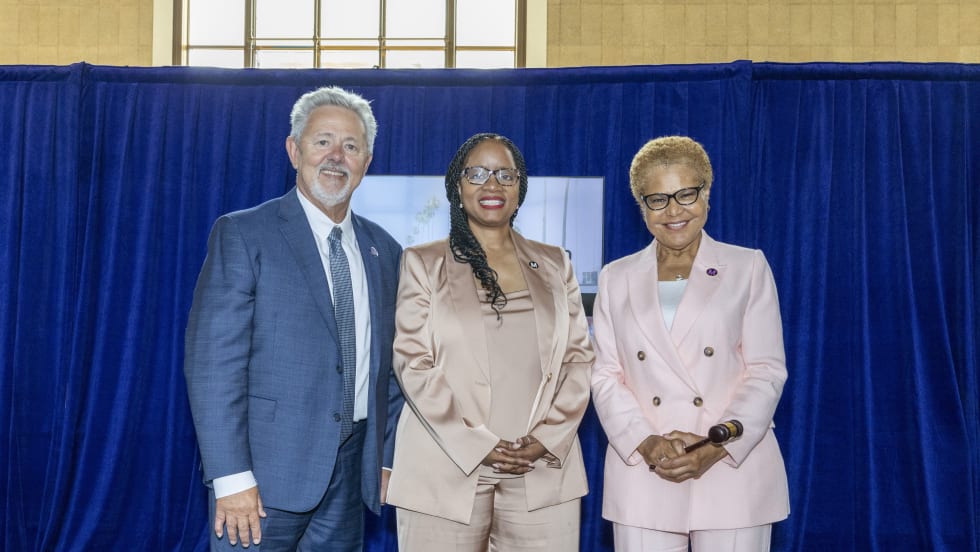
LA Metro Marks Banner Year, Sets Ambitious Goals for New Fiscal Year
Incoming LA Metro Board Chair and Los Angeles Mayor Karen Bass joined outgoing Board Chair Fernando Dutra and LA Metro CEO Stephanie Wiggins to review accomplishments from fiscal year 2026, which included the opening of new rail extensions, advancement of major transit projects, expanded safety programs, and new rider amenities.
Read More →
Building the Next Generation of Transit Technology
In this edition of METROspectives, Luminator CEO Magnus Friberg discusses the company's transformation, the growing role of AI and software, and what's next for transit technology.
Read More →
TTC Launches Camera Pilot to Curb Illegal Passing of Streetcars
During the pilot, the cameras will measure how often illegal streetcar passing occurs and test the technology's reliability for future automated enforcement.
Read More →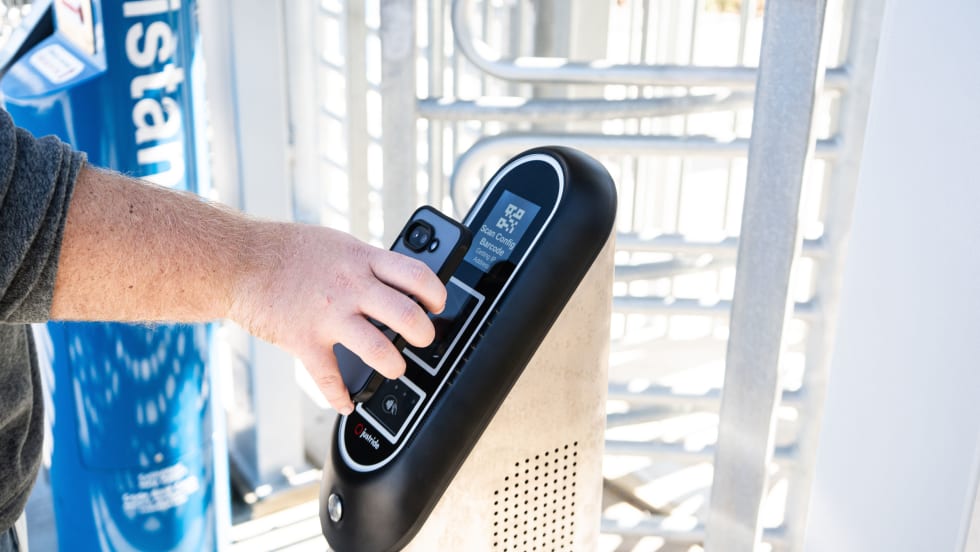
Biz Briefs: Masabi Teams with St. Louis Metro and More
In METRO's latest installment, we take a look at recent news from Transdev, Hitachi, and more partnerships making headlines across the transportation sector.
Read More →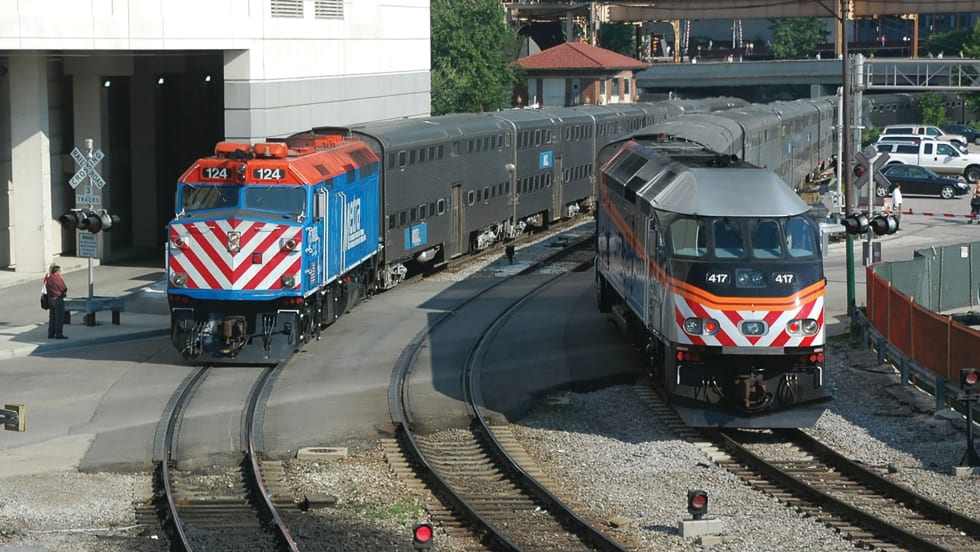
Metra Begins Drone Pilot Project to Boost Safety and Security
The project is funded through a $620,000 grant from FEMA’s Transit Security Grant Program, which provides transit agencies with funding for projects intended to protect critical transportation infrastructure and the traveling public.
Read More →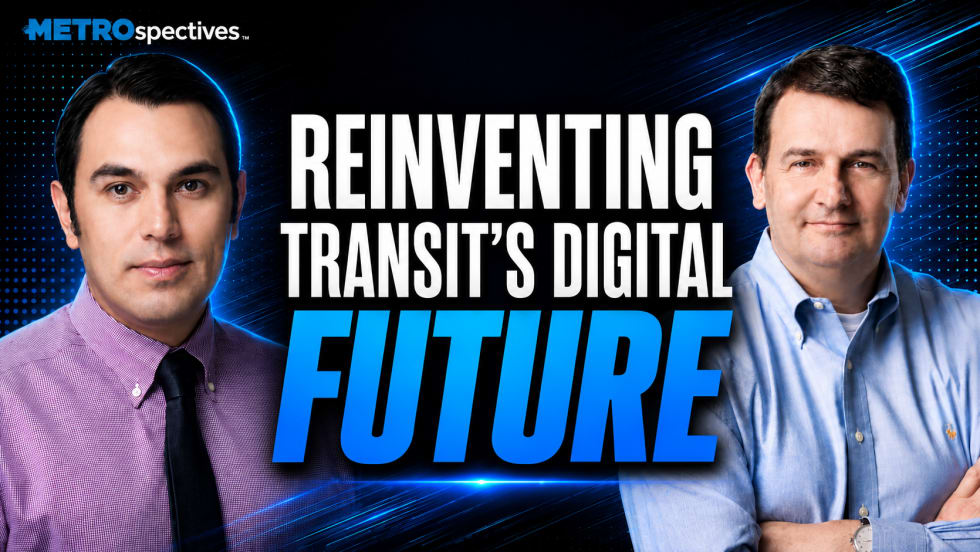
Building the Next Generation of Transit Technology
In this edition of METROspectives, Luminator CEO Magnus Friberg discusses the company's transformation, the growing role of AI and software, and what's next for transit technology.
Read More →
APTA Recognizes Excellence in Rail Safety and Security at 2026 Rail Conference
Nominations are evaluated on four criteria: effectiveness, benefit level, innovation, and transferability.
Read More →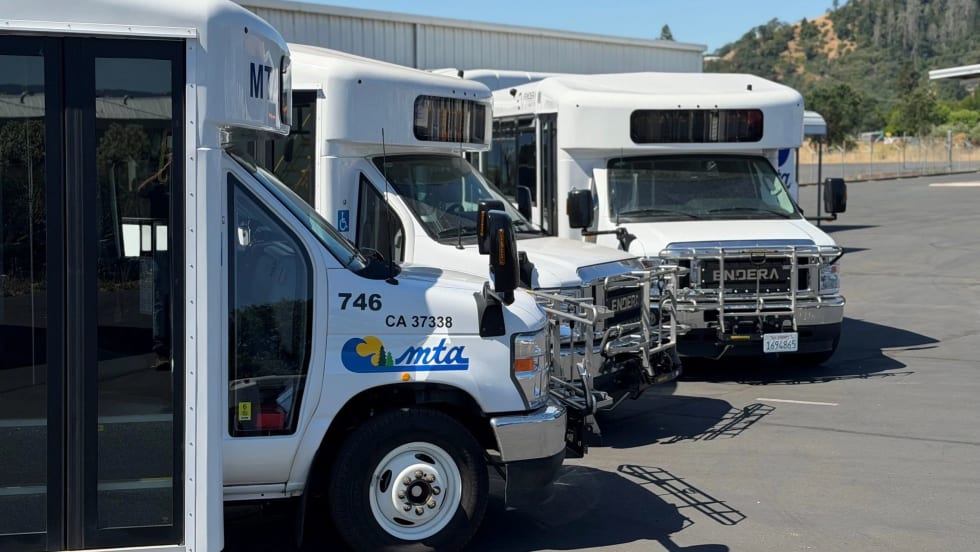
Biz Briefs: Endera Delivers to California, Safety Vision Teams with San Antonio's VIA, and More
From manufacturers and suppliers to transit agencies and motorcoach operators, these updates offer a snapshot of the projects, partnerships and business moves driving the industry forward.
Read More →