




Read More: Florida's PSTA Rolls Out First GILLIG BEB
ChargePoint Highlights Trends, Technologies Set to Propel the Charging Industry
Charging developments are soon coming to market, with the biggest technological leaps found within the software behind charging.
September 27, 2024
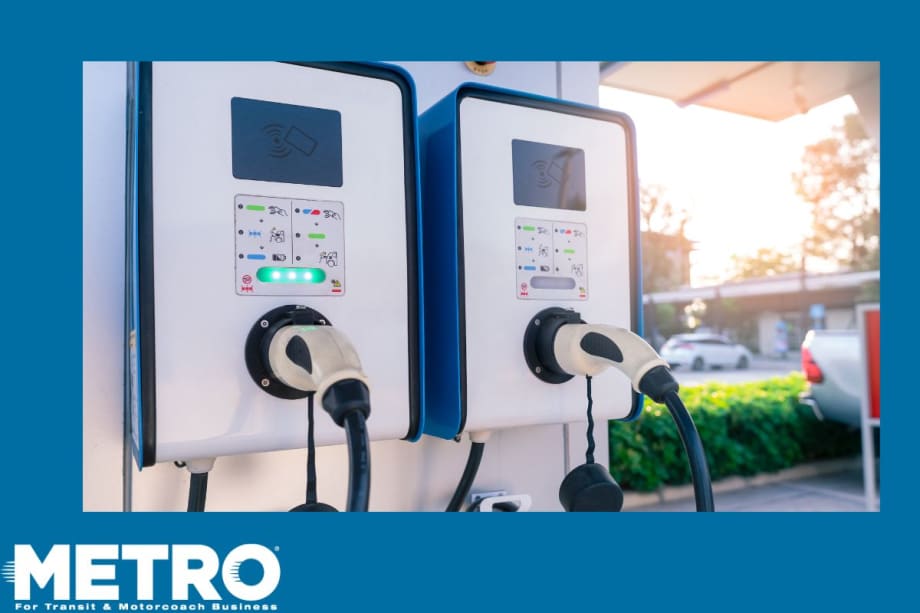
ChargePoint is making chargers that “just work” a reality.
Photo: Canva
4 min to read
ChargePoint is working across all market segments and all classifications of electric vehicles (EVs) to remain the leader in charging innovation, developing products now for this future ecosystem.
“The charging industry routinely discusses the ‘now,’ without saying much about the future,” said Rick Wilmer, CEO of ChargePoint. “ChargePoint remains focused on the opportunities ahead of us. Innovations that previously seemed futuristic are about to materialize, so we are excited to relay the trends and technologies that we believe will disrupt EV charging as we know it.”
Developments in Charging
Charging developments are soon coming to market via next generation products and features.
The biggest technological leaps lie within the innovative software behind charging, which in turn will revolutionize the hardware it manages.
Conversely, the chargers and the vehicles themselves are developing for V2X (vehicle to everything) capabilities.
ChargePoint expects the advancements will reshape the economics of home, fleet, and municipal charging — often while balancing the electrical grid. Automotive manufacturers have realized they must fully embrace charging to sell more vehicles and deliver their desired customer experience.
EVs are now a normal sight, and the new generation of vehicles is arriving with standard features that overcome barriers to EV adoption, such as an EPA-estimated range of more than 300 miles, and 800-volt platform architecture to enable faster charging.
Chargers that Work with Any Vehicle
For EV drivers, there are a variety of conveniences in the making. Most importantly, chargers that “just work” are here. The days of dealing with interoperability issues, aborted charging attempts, and other common frustrations are fading, paving the way for a smoother EV experience.
Car manufacturers and the charging industry have collaborated to eliminate these growing pains from their next generation vehicles and chargers.
“Plug and Charge” is finally rolling out: the concept of driving up to a charger, plugging it in, charging, and driving away upon completion. No authentication steps, no extra devices to start a charge, and automated payments in the background.
ChargePoint is leading the industry by developing compatibility software and hardware. These products, which are rolling out now, enable seamless functionality between cars and major charging networks that were previously not open to one another, or did not have the right connector type for one another.
Software Defined Charging
Software has become the key component in any EV charging solution, capable of unlocking the greatest benefits. Examples include real-time charger visibility for networks, the deployment of AI to facilitate charger reliability, and power sharing to maximize charging efficiency.
This highlights the immense value software brings to the table, beyond just networking chargers. Much like “software defined vehicles,” the ecosystem, which fuels them is rapidly becoming one of “software defined charging,” where success is reached in the cloud — not on the ground.
Advances in Chargers, Batteries
In the realm of hardware, visions are finally becoming a reality.
The cost of a charger is gradually declining, while the company expects features and benefits that enable a connected, electrified society will soon be rolling out.
For vehicle charging at home, AC will remain the norm, but offer more functionality. When vehicle to home charging (V2H) is desired, a switch to DC current will be the answer.
DC will better enable V2H capabilities, such as solar integration and using your car as a backup home electricity solution.
Advancements in AC charging technology have approached its limits, so for public and commercial charging the future will focus on affordability, prompting more installations.
ChargePoint expects DC fast charger offerings to standardize around three speed ranges, based on the types of businesses which offer charging, and typical grid power available at their facilities. For example, a convenience store might offer charging at 50 kW, a grocery store can offer 200 kW, and a dedicated travel center can accommodate 400 kW fast charging.
Charging providers will benefit from more affordable DC charging solutions, which will combine with vehicle to grid (V2X) capabilities to serve as a critical grid resource.
For auto manufacturers the charging experience is no longer an afterthought, and they have invested heavily in second generation vehicles. These vehicles address previous barriers to entry while offering the features EV drivers aspire to have.
Still in its infancy, ChargePoint believes bidirectional energy capabilities will quickly become the norm. Advances in EV battery technology will bring down cost and weight, while increasing the charging speeds these batteries are capable of.
The company added that it expects charging speeds will cap at 600-700 kW for vehicles on 800V architectures, as there is no practical use case for charging faster.
In conclusion, charging companies and EV manufacturers have been working hard to address the challenges associated with first generation technology, and many of those improvements are available now.
Next, the industry can move from a focus on core functionalities to affordability, reliability, and aspirational features.
More Zero Emissions
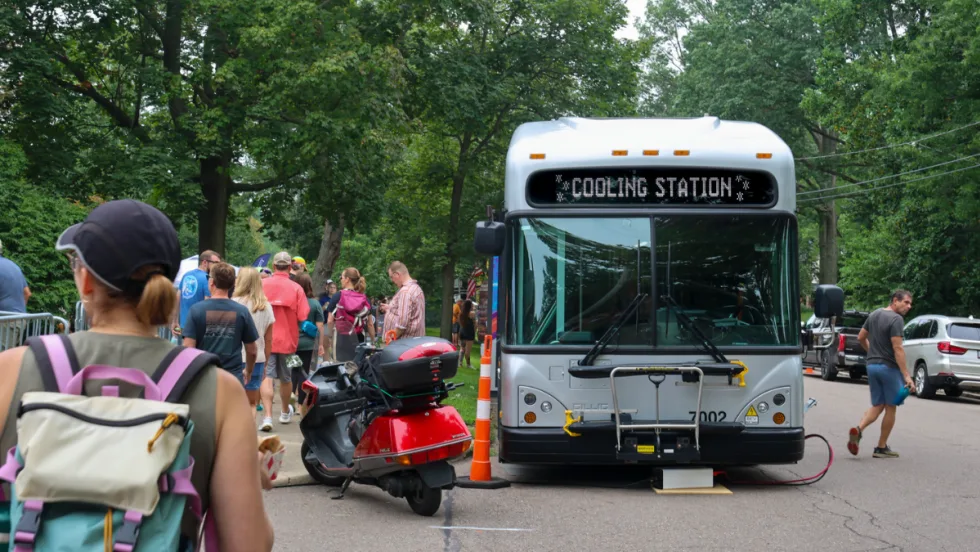
Ohio’s METRO RTA Turns Electric Buses into Mobile Power Sources at PorchROKR
See how three Gillig battery-electric buses powered festival stages while the agency’s new Park & Ride service carried approximately 1,000 attendees, demonstrating another potential use for transit agencies’ electric fleets.
Read More →
CALSTART and Forth Combine to Form Catalyst Mobility
The new name represents a renewed vision for the nonprofit focused on advancing clean, equitable, and affordable transportation solutions that move people and goods.
Read More →
Building a Flexible Path to Transit Electrification
John Hroncich discusses BAE Systems’ modular and scalable approach, lessons learned from decades of real-world operations, and how agencies can identify electrification strategies that fit their fleets.
Read More →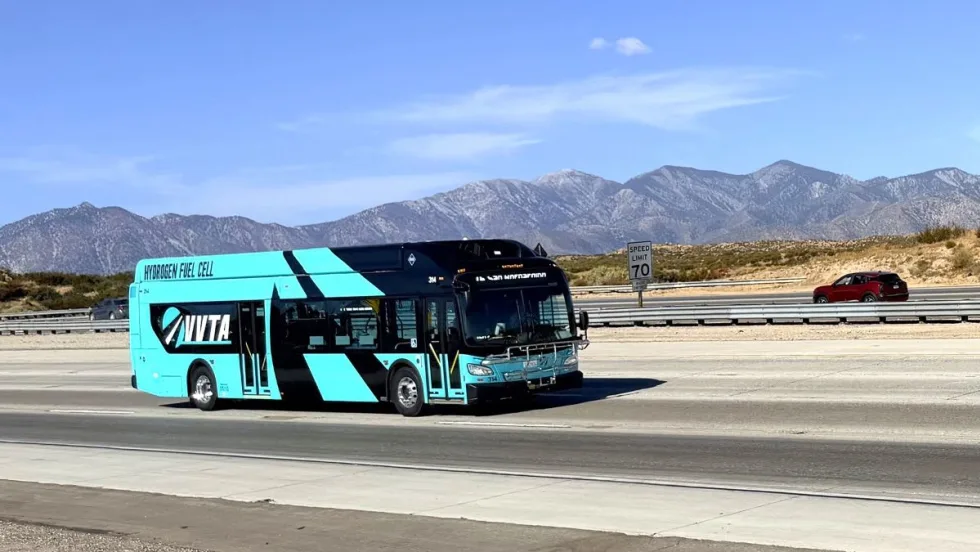
California's VVTA Begins Phased Rollout of Hydrogen Fuel Cell Buses
The agency is introducing 13 zero-emission buses into revenue service while evaluating performance across its urban, rural, and long-distance routes.
Read More →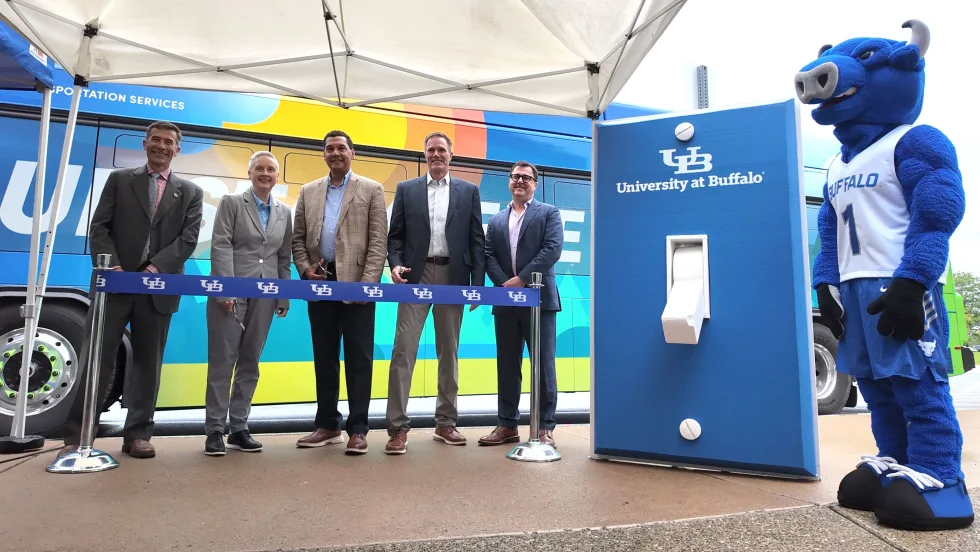
Inside Look: University at Buffalo Puts First 8 Electric Buses Into Stampede Service
UB, transportation solutions provider WeDriveU, and fleet electrification specialist Zenobē marked the deployment in the presence of students, university administrators, and local officials.
Read More →
Biz Briefs: OCTA Taps Clean Energy for Hydrogen Station, Stadler to Supply Via Rail Vehicles, and More
From manufacturers and suppliers to transit agencies and motorcoach operators, these updates offer a snapshot of the projects, partnerships and business moves driving the industry forward.
Read More →
AC Transit’s Cecil Blandon on Building the Next Generation of Transit Maintenance Leaders
The agency’s maintenance chief discusses leadership, workforce development, zero-emission technology, and preparing technicians for the future of public transportation.
Read More →
CTDOT Taps STV for Electric Bus Facility Design
The firm will work with CTDOT and RVT to define the facility layout, operational requirements, and long-term flexibility for RVT’s growing electric fleet.
Read More →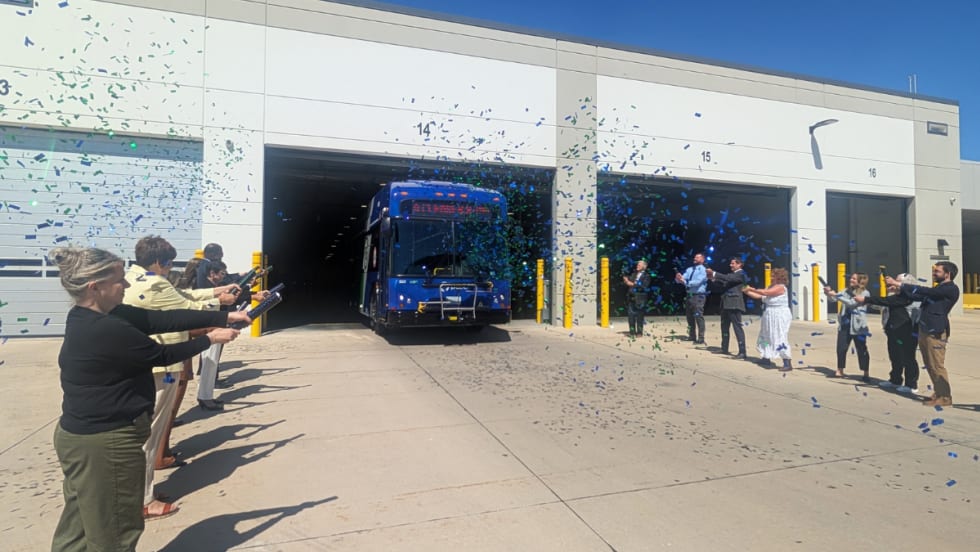
Chicago’s Pace Deploys 24 Hybrid-Electric Buses in Will County
The new buses reduce emissions and fuel consumption while advancing the agency's long-term goal of transitioning to a fully zero-emission fleet.
Read More →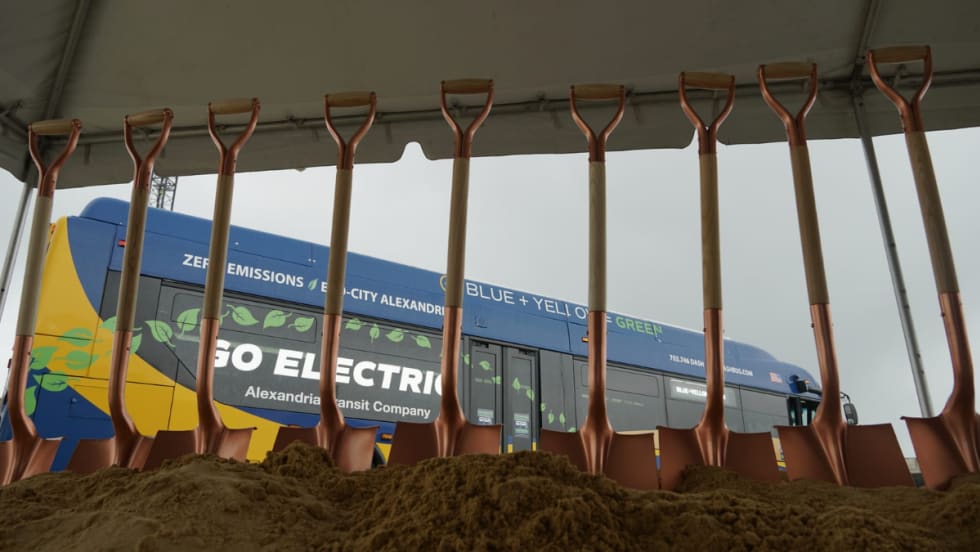
DASH Breaks Ground on First On-Route Electric Bus Chargers in D.C. Region
The fast-charging infrastructure will help extend electric bus range, improve fleet utilization, and support DASH's goal of transitioning to a fully zero-emission fleet.
Read More →