How Advances in Thermal Management Revolutionize Urban Mobility
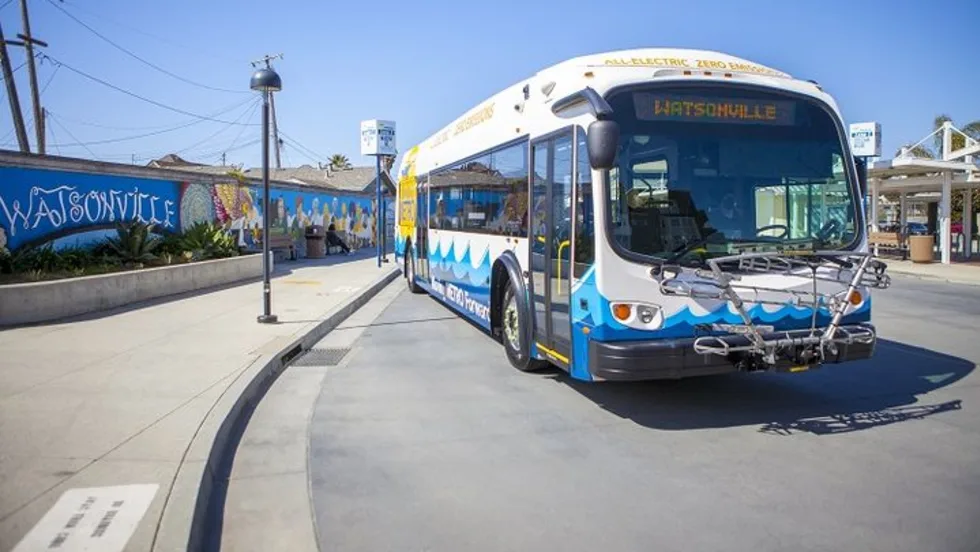
In the daily hustle and bustle of city life, transit buses serve as the backbone of urban transportation, allowing millions of city dwellers to get from point A to point B each day reliably.
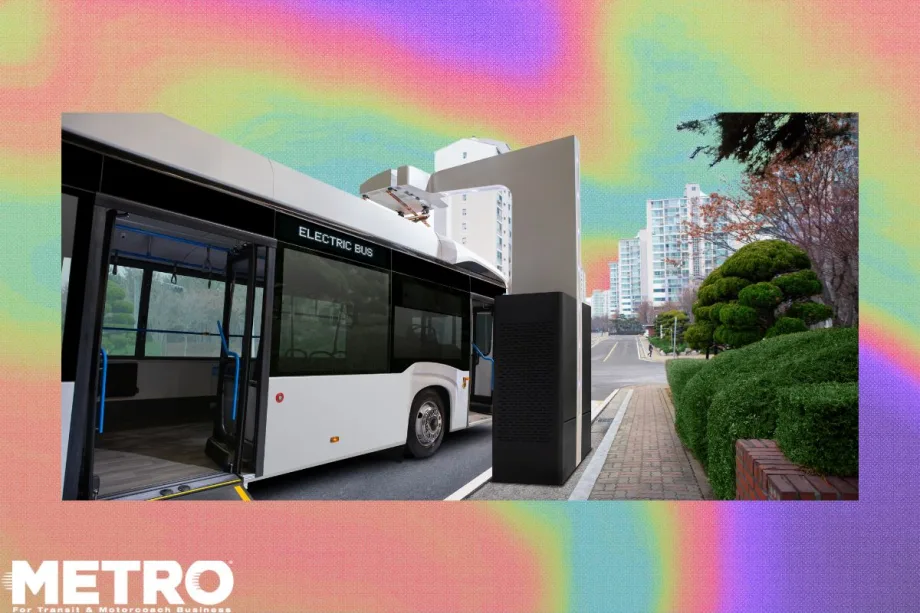
With approximately 60,000 electric buses operating throughout the U.S., these mobile giants have become a significant target for electrification given their fixed routes, predictable duty cycles, and potential for meaningful tailpipe emissions reductions in densely populated urban centers.
Photo:Canva
5 min to read
In the daily hustle and bustle of city life, transit buses serve as the backbone of urban transportation, allowing millions of city dwellers to get from point A to point B each day reliably.
These municipal transit buses have become the vanguard of the e-mobility movement, which has targeted the commercial vehicle sector as demand for more sustainable transportation has grown.
Ad Loading...
With approximately 60,000 buses operating throughout the U.S., these mobile giants have become a significant target for electrification given their fixed routes, predictable duty cycles, and potential for meaningful tailpipe emissions reductions in densely populated urban centers.
A Whole New Set of Challenges
Transit bus electrification presents engineering challenges like smaller electric truck fleets or passenger vehicles.
While fleet managers can more easily plan for battery charging, known as the “dark duty cycle,” around predictable operating hours, the vehicle’s range, battery capacity, maintenance tasks, and charging dynamics differ from those of conventional passenger vehicles.
Particular attention must be paid to the temperatures in which operation and charging occur. As such, these vehicle platforms require thermal management systems and operating procedures distinct from passenger EVs.
Fortunately, advancements in thermal management technology for traction motors, power electronics, and batteries have evolved with the demands of heavy-duty electric vehicles (EVs), including urban transport platforms. Thermal management systems now serve as essential components within electric transit buses, helping to solidify them as viable fuel alternatives to traditional, diesel-powered vehicles.
Ad Loading...
In extremely hot conditions, passive cooling systems risk losing effectiveness, leading to reduced power output, decreased range, and compromised vehicle longevity.
Photo:Canva
Under the Hood: Thermal Management for E-Buses
Thermal management has been a longstanding requirement in vehicle platforms, and it is no less significant for EVs, even if the applications are different from those in the world of internal combustion engines (ICE).
Within an EV, the lithium-ion battery pack is one of the most critical components and the most vulnerable to both types of temperature extremes. Batteries must be maintained in a much narrower operating window than the engines of traditional ICE vehicles.
Specifically, EVs operate best when the battery is kept between 20°C to 45°C, whereas ICE vehicle coolant temperatures can range from 85°C to 215°C.
Maintaining such a tight temperature window is challenging but essential because harsh outdoor temperatures on both ends of the thermometer can negatively impact EV battery performance. For instance, within a single journey, semi-trucks covering up to 500 miles per day may encounter the icy climates of Detroit and the hot temperatures of Phoenix.
An effective thermal management system can swiftly and efficiently heat components to optimal operating temperatures in cold climates. Conversely, it must also dissipate excess heat via cooling systems during warmer conditions to prevent damage to components and ensure continued optimal performance.
Ad Loading...
As such, EVs of all sizes demand the integration of active thermal management technology to maintain peak battery, fuel-cell stack, and power electronics temperature.
This equipment is vital for heavy-duty EVs like e-buses, which demand more power because of the additional torque required to move heavier loads than the average passenger car.
Therefore, thermal management systems for e-bus platforms are necessary to optimize performance and battery consumption, improve reliability, and increase vehicle longevity.
Although these systems can be engaged while the vehicle is operational, their prime application is at the charging depot.
Thermal Management for Charging
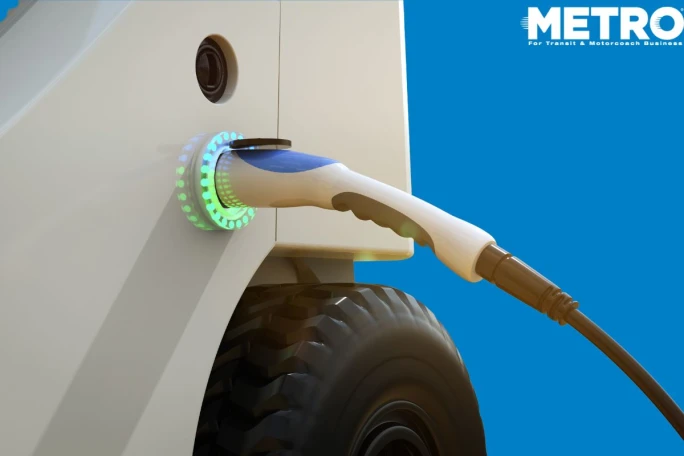
When buses are stationary and charging — known as the “dark duty cycle” — battery thermal management systems (BTMS) play a crucial role in maintaining the ideal temperature.
Ad Loading...
In contrast to traditional petrochemical-powered buses, EV refueling places active demands on the battery system.
An advanced BTMS will control and optimize battery temperature during charging to ensure predictable and reliable charging while protecting the battery. However, this active supervision must extend beyond the vehicle, as it also influences fleet management, maintenance systems, route planning, and roadside service systems.
Stationary charging means that passive cooling systems do not benefit from the airflow they are designed to expect while in motion.
In extremely hot conditions, passive cooling systems risk losing effectiveness, leading to reduced power output, decreased range, and compromised vehicle longevity.
Active cooling loops keep bus battery systems within thermal ranges when the ambient air temperature is above optimal while charging. Advanced thermal management systems that mitigate extreme conditions will also protect battery performance and longevity.
Ad Loading...
To compete with legacy alternatives, electric transit buses must be able to operate in a broad range of climate conditions and at performance parity.
Photo:Canva
BTMS & E-Buses: An Electrifying Partnership
Adopting e-buses with high-quality comprehensive BTMS will reduce the vehicle’s susceptibility to extreme temperature conditions both at the depot and while in operation — ultimately increasing the battery’s longevity and lowering the total cost of ownership for transit authorities.
Although electric buses initially come with a higher price — approximately 50% more than standard diesel options — they yield significant savings over their lifetime from lower fuel and maintenance costs.
By investing in a comprehensive BTMS, transit agencies can minimize additional wear and tear by ensuring an electric bus’s battery and power electronics operate at optimal temperatures, allowing the vehicle to maximize longevity, range, and operation. When temperature levels are adequately managed, transit agencies can extend the lifetime of their fleet's batteries and provide additional savings.
To compete with legacy alternatives, electric transit buses must be able to operate in a broad range of climate conditions and at performance parity.
Battery, fuel cell stack, and power electronics thermal management systems bring indispensable flexibility for e-buses in all conditions. Specifying these technologies in RFPs can position e-buses and transit agencies as sustainability leaders, paving the way for a confident and pragmatic transition toward a more sustainable and efficient transportation future.
Ad Loading...
This transition fosters environmental stewardship and contributes significantly to reducing the carbon footprint of municipalities through the electrification of public transportation.
Did you know that there are literally tens of millions of people worldwide with hearing loss, many of whom will use some form of public transit at some point?
Thirty-five years after the passage of the Americans with Disabilities Act of 1990 (ADA), the impact of this landmark piece of civil rights legislation cannot be overstated.
Safety, on-time performance, and customer experience are critical elements in intercity bus operations. But getting them right doesn’t come down to plans or protocols alone. It comes down to execution. How well your team performs on the ground, in real time, is what defines success.
With Data Privacy Day Jan. 28, I want to spotlight a critical challenge faced by service providers in the mass transit sector: managing personal information responsibly in an era of rapidly evolving privacy regulations.
Retrieving and reviewing data and video can be a cumbersome process for fleet managers. Each system or tool provides a piece of the puzzle, but seeing the complete picture requires tedious manual synchronization.
In today’s highly connected world, cybersecurity is of utmost importance, particularly for transportation agencies overseeing transit bus systems that rely increasingly on sophisticated technologies, including the use of data analytics in traffic signal networks, to manage and operate their systems.
Thirty years ago, drivers not only had to drive the bus and navigate heavy traffic, but they were also responsible for tasks like supervising passenger loading and unloading, selling tickets, and providing passengers with various kinds of information, all while sitting in an often ill-fitting workstation.
The old joke that you wait ages for one bus and suddenly three come along at once may be consigned to the history bin thanks to developments in artificial intelligence (AI).