



Charlotte airport to add 5 Proterra buses, charging infrastructure
CLT is the first airport to leverage the Georgia State Contract to purchase Proterra electric buses.

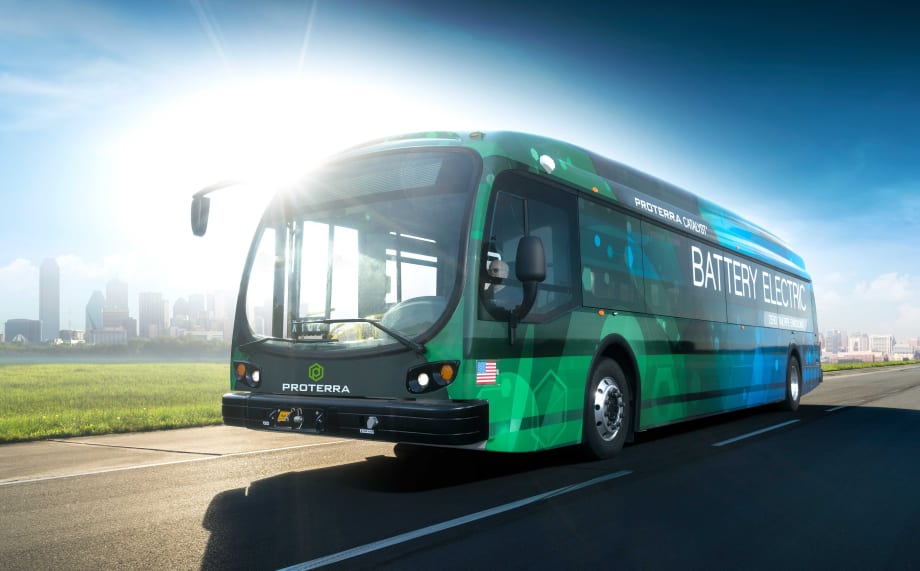
By planning for scale now, CLT can utilize the charging infrastructure for a range of battery-electric powered service vehicles in the future.
Proterra
By planning for scale now, CLT can utilize the charging infrastructure for a range of battery-electric powered service vehicles in the future.
Proterra
Charlotte Douglas International Airport (CLT) will purchase five 35-foot Proterra Catalyst® E2 electric buses and five 125 kW Proterra® plug-in charging systems. CLT becomes the ninth airport to purchase Proterra electric buses for ground transportation and joins a growing list of major airports across the U.S. that are electrifying their fleets. As one of the busiest airports in the nation, CLT serves approximately 46 million passengers each year.
Proterra battery-electric buses will contribute to CLT’s sustainability goals. Proterra Catalyst vehicles have no tailpipe emissions and decrease dependency on fossil fuels. Emissions are reduced by 230,000 pounds of CO2 annually each time a diesel vehicle is replaced by a Proterra electric bus.
In addition to the five electric buses, CLT is also installing five Proterra plug-in chargers. Proterra charging systems utilize the universal J1772-CCS Type 1 charging standard, enabling buses, utility vehicles, and cars to share the same chargers. By planning for scale now, CLT can utilize the charging infrastructure for a range of battery-electric powered service vehicles in the future.
CLT is the first airport to leverage the Georgia State Contract to purchase Proterra electric buses. The state of Georgia underwent a testing and review process and selected Proterra as a statewide vendor for electric buses, and allows other states to leverage the state contract to simplify the process of purchasing electric buses. CLT’s Proterra buses will be manufactured locally in Greenville, S.C.
Airports across the country are transitioning their ground transportation vehicle fleets to zero-emission buses, and CLT joins a growing list of airports across the nation that are leading this trend, including San Francisco International Airport, John F. Kennedy International Airport, Newark Liberty International Airport, LaGuardia Airport, and Honolulu International Airport.
More Technology
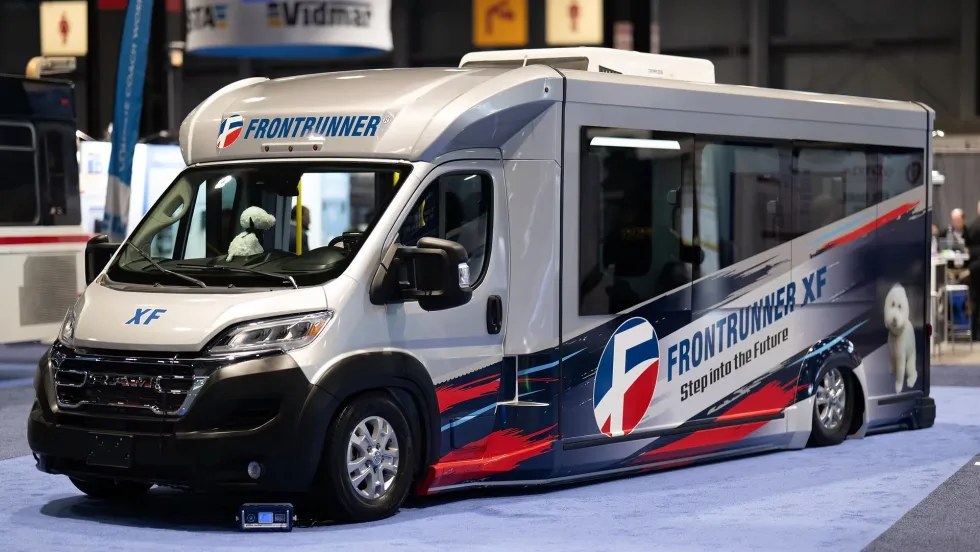
Frontrunner Bus Group Introduces XF Low-Floor Bus with Enhanced Accessibility
The new mid-sized bus features a full flat-floor design, eight-inch curbside step-in height, and zero-entry rear ramp to improve passenger access and operational flexibility.
Read More →
Building a Flexible Path to Transit Electrification with BAE's John Hroncich
John Hroncich discusses BAE Systems’ modular and scalable approach, lessons learned from decades of real-world operations, and how agencies can identify electrification strategies that fit their fleets.
Read More →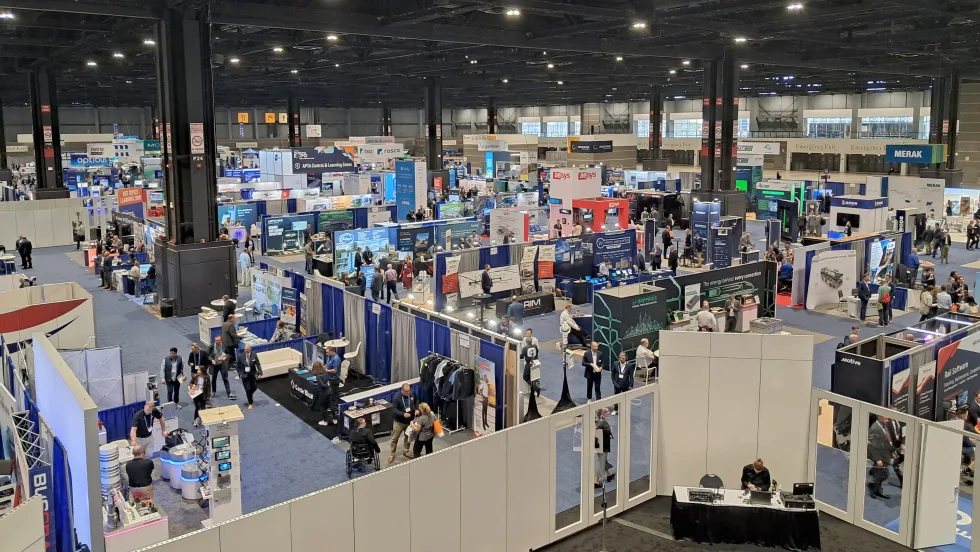
Scenes from APTA TRANSform & EXPO 2026
Transit leaders, manufacturers, and industry professionals gathered in Chicago to explore new technologies, share ideas, and discuss the future of public transportation.
Read More →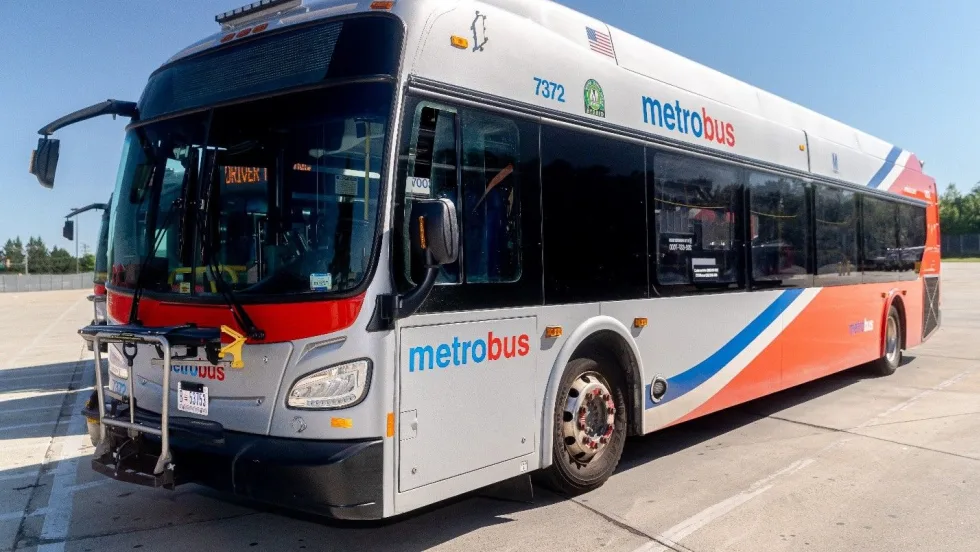
Biz Briefs: New Flyer Secures Additional 100-Bus Order from WMATA and More
In METRO's latest installment, we also take a look at recent news from Masabi, MCI, Samsara, and more partnerships making headlines across the transportation sector.
Read More →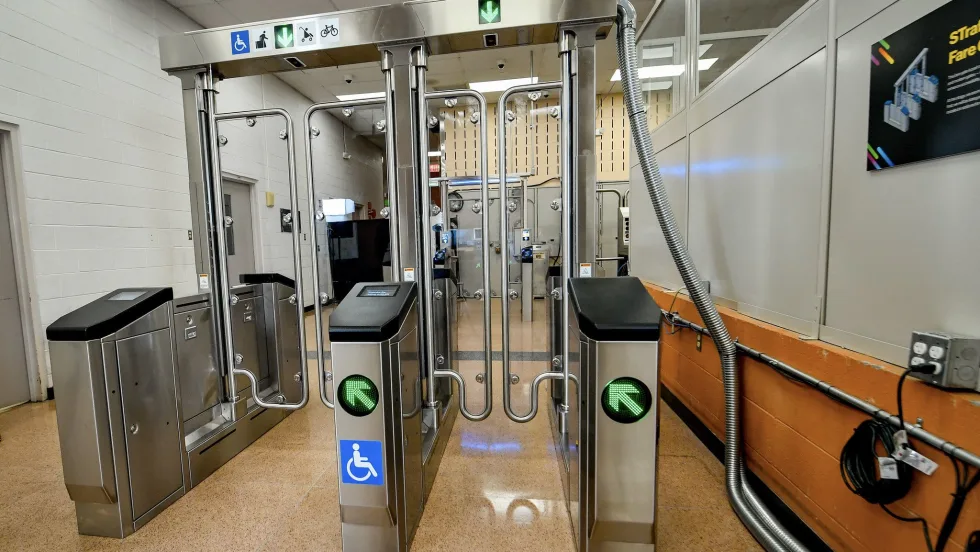
MTA Fare Gate Pilot Reduces Fare Evasion by 35%
Following a 20-station pilot, the agency plans to install new fare gates at 20 additional subway stations as part of a $1.1 billion modernization initiative.
Read More →
California Law Extends AC Transit’s Bus Lane Camera Enforcement
The new law allows AC Transit to continue using forward-facing bus cameras to enforce parking violations in bus-only lanes and at bus stops.
Read More →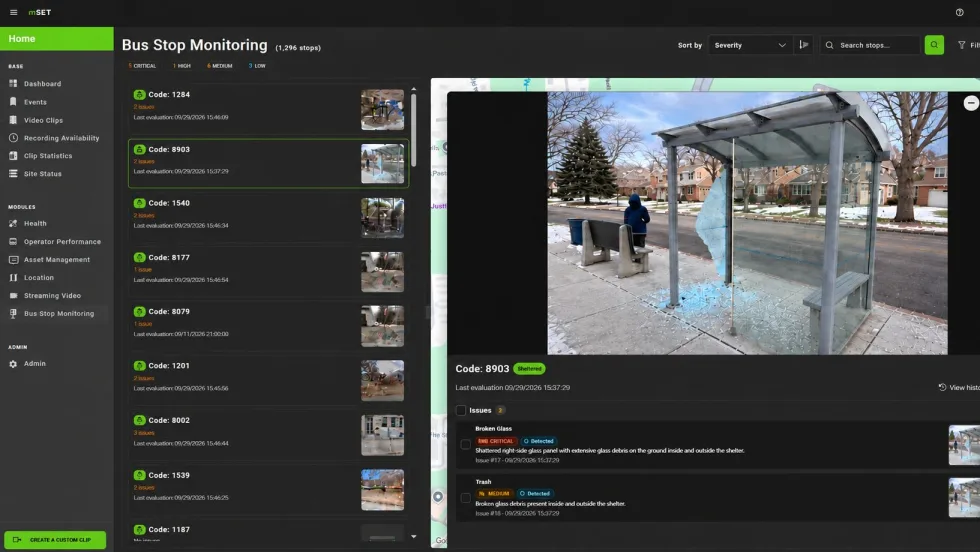
Biz Briefs: Luminator Launches AI Technology to Monitor Bus Stop Conditions and More
In METRO's latest installment, we also take a look at recent news from Masabi, Troman Industries, ioki, CCW, and more partnerships making headlines across the transportation sector.
Read More →
Public Transit Conference Returning to GFX in 2027, Call for Papers Now Open
The Call for Papers is now open, allowing transit agency professionals and industry experts to help shape the PTC educational program by submitting session ideas for consideration.
Read More →
ENC Lands MATA Contract and More in Biz Briefs
In this edition of Biz Briefs, we spotlight the latest developments shaping the future of mobility.
Read More →
Strada360’s Steve Lassey on Turning Transit Data Into Better Decisions
From breaking down data silos to preparing for AI, Strada360 CEO Steve Lassey discusses how transit agencies can use technology to improve operations, customer information, and long-term decision-making.
Read More →