



Chicago completes surveillance camera upgrade on rail system
In total, 660 existing cameras were upgraded and 340 cameras were added.

The Chicago Transit Authority completed the installation of 1,000 high-definition (HD) surveillance cameras throughout the Red and Blue line subway stations, making the entire system equipped with HD cameras — a valuable tool to help deter and solve crimes.
Since May 2018, crews have been switching out old analog surveillance cameras with new HD cameras across all nine Red Line subway stations and all 12 Blue Line subway stations, as well as installing additional cameras to improve surveillance coverage. In total, 660 existing cameras were upgraded and 340 cameras were added, expanding the previous subway station camera coverage by more than 50%.
“Ensuring the safety of our customers and employees is our number one concern,” said CTA President Dorval R. Carter Jr. “The Safe & Secure program allows us to continue investing in the safety of our system and further our efforts towards providing a safer transit environment for our riders and employees.”
CTA’s security camera network has more than doubled in size since 2011 and now boasts more than 32,000 cameras systemwide — making it the most comprehensive networks among major U.S. transit agencies. CTA’s cameras have been an invaluable tool for police as they investigate crimes committed on or near CTA properties, as well as identifying crime patterns and conducting remote surveillance missions. On average, images pulled from CTA’s cameras have aided police in arresting roughly 200 persons each year.
The new HD surveillance found throughout the Red and Blue line subway stations have been an important tool to help Chicago Police identify crime suspects and detect crime patterns. Last month, cameras recently installed at the Roosevelt Red Line station aided CPD in the arrest of three individuals now charged in connection with an altercation that led to a CTA employee being stabbed. Upgraded cameras at the Jackson Blue Line station also assisted police in the arrest of an individual now charged in connection with an altercation that led to a victim being pushed to the tracks in December.
Importantly, cameras are just one component in a multi-pronged effort towards combatting crime that also involves CTA employees, private security agencies and, most importantly, the Chicago Police Department, as well as suburban law enforcement agencies that provide security for the CTA.
As part of the multi-year Safe & Secure program, a total of 1,000 new cameras will be added and more than 3,800 older-model cameras will be upgraded throughout the rail system. Additionally, new lighting, repairs, and other improvements will enhance safety at all 145 CTA rail stations. New HD cameras will also be installed at more than 100 CTA bus turnaround locations and video monitors will be added to all CTA rail stations to aid personnel in monitoring station and customer activity.
CTA’s Safe and Secure is funded by Mayor Emanuel’s innovative fee on ride-hailing services, the first such fee in the country dedicated to public transportation improvements.
More Security and Safety

Transit Agencies Highlight Safety Gains at National Summit
Leaders from 15 major transit systems shared crime-reduction results and safety initiatives while discussing the role of continued federal support.
Read More →
DART Launches Major Security, Fare Enforcement Initiative
The 90-day demonstration will deploy coordinated security teams at five light rail stations while testing controlled access and gathering data to guide future investments.
Read More →
RTD Launches NextRide App to Consolidate Trip Planning, Fares, Security Reporting
The app expands on RTD’s existing NextRide web application and allows customers to view real-time vehicle locations and service alerts, purchase and store digital fares, and access customer support.
Read More →

TAPTCO Updates OSHA Compliance Training for Transit Maintenance Operations
The revamped program addresses 26 OSHA standards for maintenance facilities, with TAPTCO pointing to training, documentation, and everyday shop hazards as continuing challenges for transit operations.
Read More →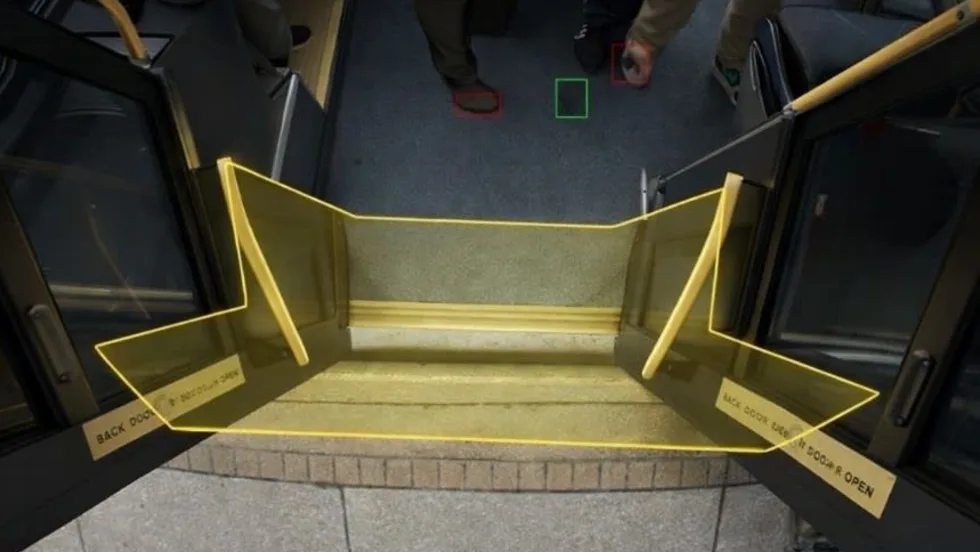
How VaporVision Adds Value to Transit Door Systems
Wabtec engineers explain how the system improves doorway detection, strengthens diagnostics and gives transit agencies and OEMs greater operating flexibility.
Read More →
FRA Announces $5.3B in Rail Investments, Including $2B for Amtrak
Funding will support grade-crossing improvements, infrastructure upgrades, and new Amtrak equipment in 23 states.
Read More →
Chicago, Maryland Expand Non-Law-Enforcement Safety, Rider Support
The CTA and MTA are launching new programs aimed at de-escalation, crisis response, rider assistance, and greater transparency.
Read More →
LA Metro, City of West Hollywood, and Partners Advance Smarter Bus Lane Enforcement
The award-winning partnership combines AI-powered detection with human oversight to improve bus reliability, accessibility, and enforcement efficiency.
Read More →
LA Metro Reports 57% Decline in Homelessness on Transit System Since 2024
The agency's latest homelessness count offers new data on how care-based services and cross-sector partnerships can complement traditional transit security strategies.
Read More →
FTA Launches 'Transit Moves America' Dashboard to Highlight Agency Safety and Performance
The online dashboard transforms National Transit Database information into a public-facing resource that allows users to compare transit agencies on key operational and safety metrics.
Read More →